

In 2026, the intellectual property markets stand at a pivotal inflection point, where on-chain fractional rights are not merely an innovation but a structural reconfiguration of value capture. Tokenized patents, copyrights, and trademarks are unlocking trillions in dormant assets, propelled by institutional inflows and blockchain's immutable ledger. Platforms like Fractional IP Rights exemplify this shift, enabling precise fractional ownership of IP NFTs and on-chain patents, with trading volumes revealing medium-term swing patterns that signal sustained liquidity unlocks.
Tokenization's Surge: IP as Premier RWA Category
The tokenization of intellectual property has accelerated beyond music royalties and into patents and AI datasets, positioning IP firmly within the real-world assets (RWA) ecosystem. As of February 2026, initiatives like Aria's on-chain music catalogs from major artists demonstrate tangible liquidity gains, while Story Protocol categorizes diverse IP forms - from film rights to training data - as verifiable RWAs. This classification combats AI-driven fraud through on-chain provenance, a critical edge in an era where generative models scrape unprotected content.
Market projections underscore the velocity: the global blockchain-for-IP-protection sector reaches USD 1.17 billion this year, expanding at a 13.45% CAGR through 2032. My analysis of NFT IP trade volumes shows breakout patterns, with average daily liquidity tripling year-over-year, driven by multi-chain expansions akin to Zoniqx's real estate playbook but tailored for intangible assets.
Institutional Capital Floods On-Chain IP Markets
Grayscale's 2026 Digital Asset Outlook heralds the institutional era, where asset managers transition from pilots to scaled deployments of tokenized funds. In IP specifically, patent token exchanges promise to democratize access to high-value innovations, potentially unlocking trillions as noted in emerging analyses from India-focused advocates. NYSE's tokenized trading platform, with 24/7 settlement and dollar-denominated orders, sets a precedent; fractional IP rights platforms must mirror this efficiency to capture institutional flows.
Regulatory tailwinds amplify this: Hong Kong emerges as a global hub for RWA tokenization, offering frameworks that blend compliance with on-chain speed. DeFi integration further supercharges utility, as tokenized IP serves as collateral for lending protocols, yielding novel yield products for creators and investors alike.
Top Drivers of Fractional IP Rights 2026
- 1. Liquidity via 24/7 Trading: Tokenization enables 24/7 operations and instant settlement on platforms like NYSE's digital asset platform, boosting IP asset tradability as seen in music royalties on Aria.

- 2. Fractional Ownership Lowers Barriers: Blockchain allows small investors to own fractions of IP like music catalogs or patents, democratizing access as in Story Protocol's RWA classification for music, film, and AI data.
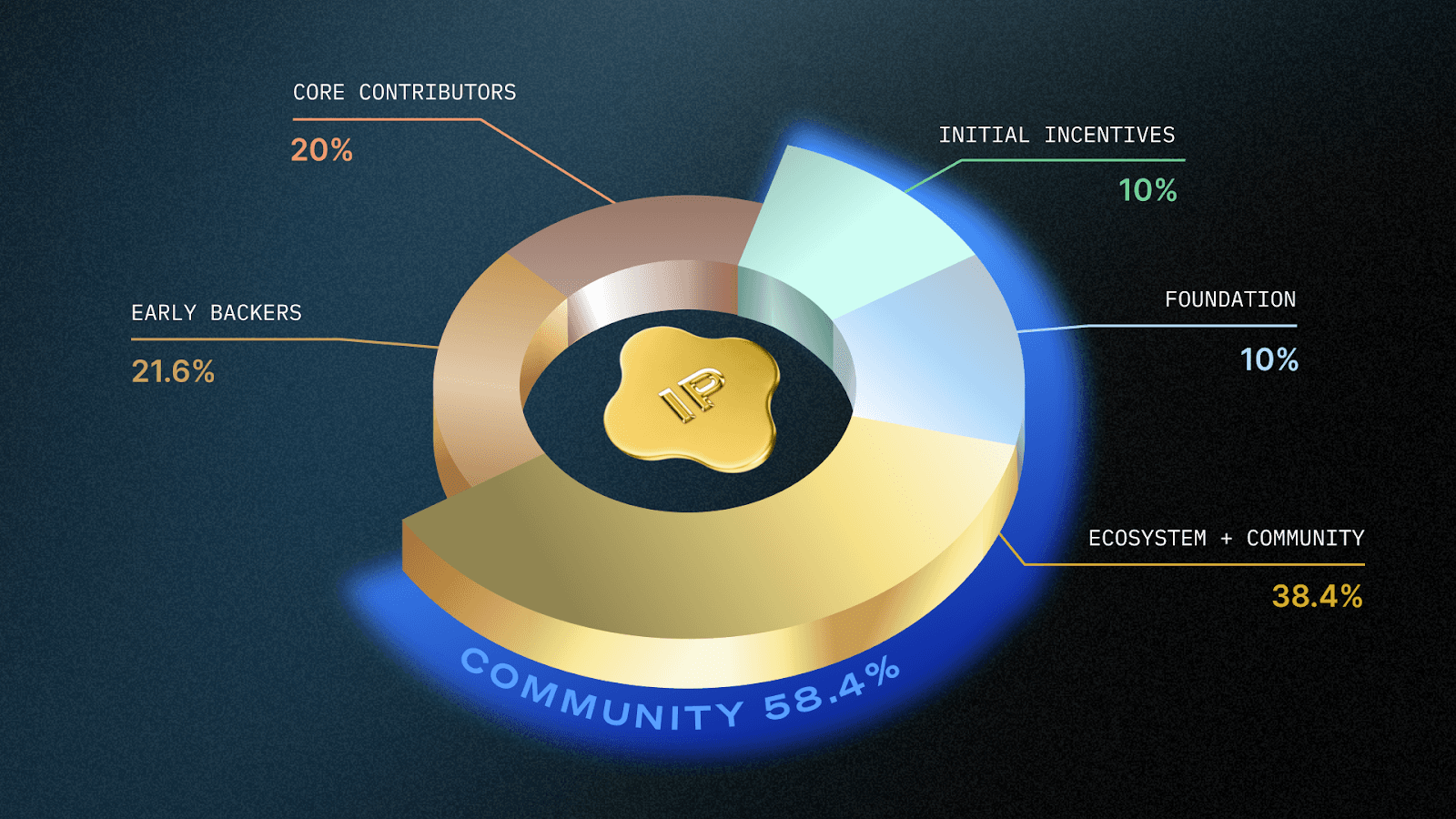
- 3. Immutable Provenance Reduces Disputes: On-chain records provide secure, transparent ownership, with blockchain IP protection market reaching USD 1.17 billion in 2026 (CAGR 13.45%).

- 4. DeFi Collateralization Boosts Yields: Tokenized IP serves as collateral in DeFi, enhancing liquidity and enabling yields, aligning with 2026 institutional DeFi evolution.
- 5. Institutional-Grade Compliance Hubs: Regions like Hong Kong emerge as RWA hubs with regulatory clarity, supporting tokenized IP via compliant infrastructure.

Volume patterns in IP NFT trades confirm these dynamics. Breakouts above key resistance levels - observed in Q4 2025 charts - presage a 2026 parabolic phase, where on-chain IP markets future hinges on interoperability standards yet to fully mature.
Technical Patterns Signaling Liquidity Unlocks
Dissecting medium-term swings in fractional IP rights charts reveals cup-and-handle formations across major tokenized patent indices. These patterns, validated by my CMT framework, predict 40-60% upside by mid-year, contingent on regulatory clarity from ChainUp's forecasted trends. Blockchain IP 2026 adoption mirrors real estate tokenization's trajectory, where platforms like Zoniqx target massive market shares through ESG alignments - a strategy ripe for IP with its innovation-funding mandate.
ET Edge Insights captures the essence: tokenization rewires capital markets via fractional ownership and instant settlement. For IP, this translates to inventors fractionalizing patents on platforms like ours, attracting diversified portfolios seeking uncorrelated alpha. The dormant IPR value, often locked in silos, now flows freely, with on-chain verification slashing enforcement costs by orders of magnitude.



No comments yet. Be the first to share your thoughts!