

Imagine a world where groundbreaking inventions, locked away in bureaucratic patent offices, suddenly become as tradable as Bitcoin. That's the promise of on-chain patents, where intellectual property rights are etched into blockchain ledgers and sliced into tokenized IP investments. For crypto investors, this isn't just hype; it's a tangible shift toward fractional patent shares in crypto ecosystems, blending the stability of IP assets with blockchain's speed and transparency. Platforms like Fractional IP Rights are at the forefront, turning patents into NFTs and tokens that anyone can own a piece of.
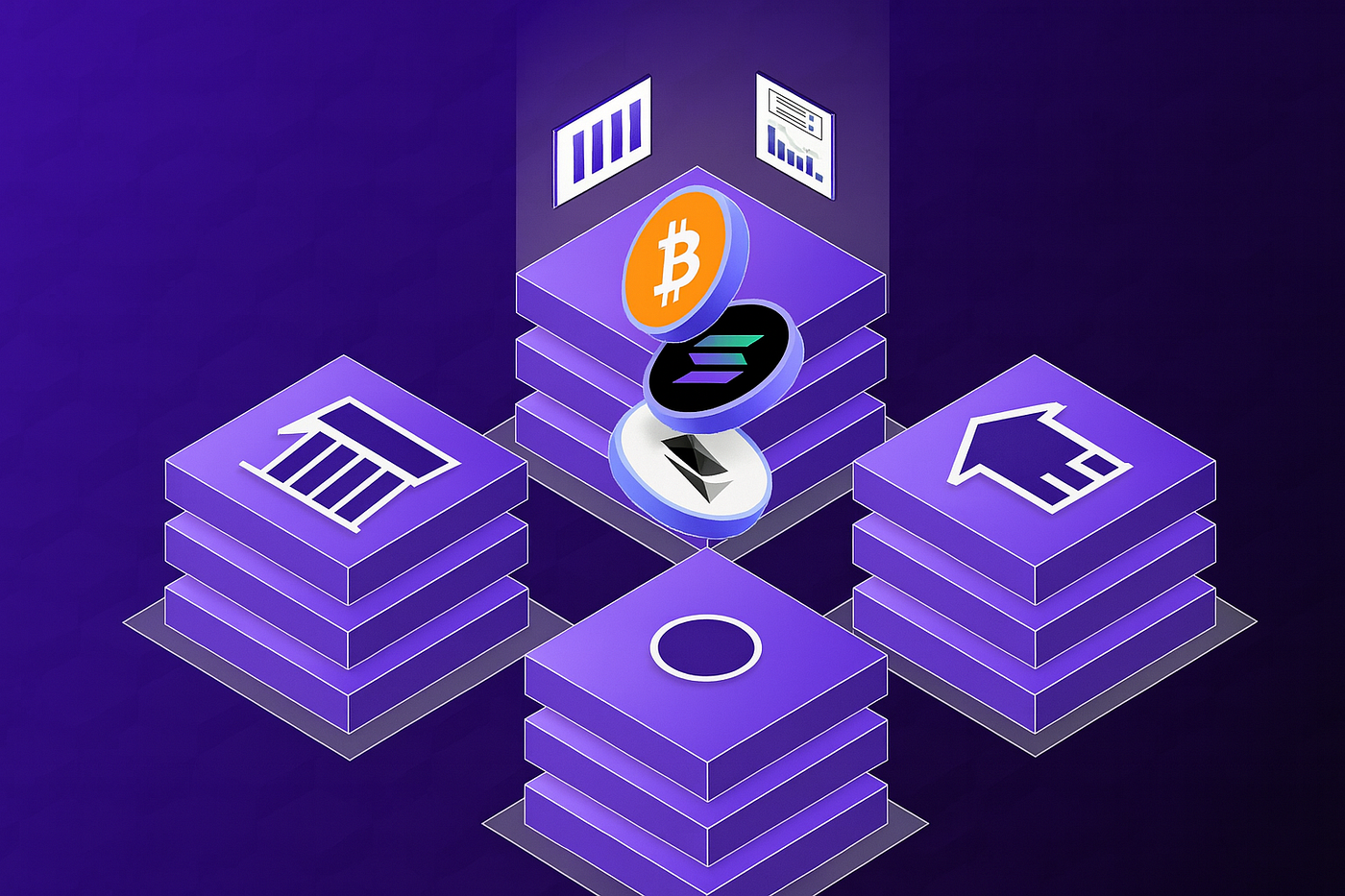
Traditional patents have long been the domain of deep-pocketed corporations and venture capitalists. Illiquid and opaque, they sit dormant until licensed or litigated. Tokenization flips this script. By converting patent rights into digital tokens, inventors gain immediate access to capital, while investors tap into revenue streams from licensing fees and royalties, all automated via smart contracts. Recent developments, like Datavault AI's U. S. patents for blockchain-based content licensing granted in December 2025, underscore this momentum. Their systems integrate AI valuation and quantum encryption, proving that IP NFTs on blockchain can secure high-stakes innovations against theft and inefficiency.
Why On-Chain Patents Matter for Crypto Portfolios
Crypto markets thrive on volatility, but savvy investors crave diversification. Enter on-chain patents: they offer exposure to real-world utility without the wild swings of memecoins. Platforms such as Polymesh enable clear proof of ownership, making it easier to trade these assets on secondary markets. Unlike stocks tied to company performance, tokenized patents derive value from the underlying invention's adoption. Think pharmaceuticals, AI algorithms, or green tech; as these scale, so do the tokens representing fractional shares.
From my vantage as a former hedge fund manager, the appeal lies in medium-term trends. Tokenized copyrights and trademarks already show promise, but patents lead the charge due to their 20-year exclusivity. Investors can collateralize IP tokens for loans, hedge against market dips, or earn yields from automated royalty distributions. Brickken highlights how inventors use these as collateral, unlocking capital that was previously trapped.
The Tokenization Process Demystified
Tokenizing a patent starts with verification. Legal experts audit the IP, ensuring it's registered and enforceable. Smart contracts then mint tokens on a blockchain like Ethereum or Polymesh, each representing a slice of ownership rights. These aren't just collectibles; they're security tokens compliant with regulations, tradable on exchanges like a Patent Token Exchange (PTE).
Here's where it gets insightful: fractionalization. A single patent worth millions can be divided into thousands of tokens at $10 each, say, inviting retail investors. Revenue from licenses flows back proportionally via oracles, transparent and tamper-proof. Sologenic and Zoniqx exemplify this, enhancing security while boosting liquidity. No more waiting years for an IPO; crypto holders trade fractional patent shares in real time.
Key Steps to Tokenize a Patent
- 1. IP Verification: Confirm patent ownership and validity through legal audits or blockchain oracles for immutable proof. Platforms like Polymesh enable secure verification.
- 2. Smart Contract Deployment: Develop and deploy a smart contract on blockchains like Ethereum or Polymesh to govern IP rights and token logic, as in US20220058636A1 tokenization platform.
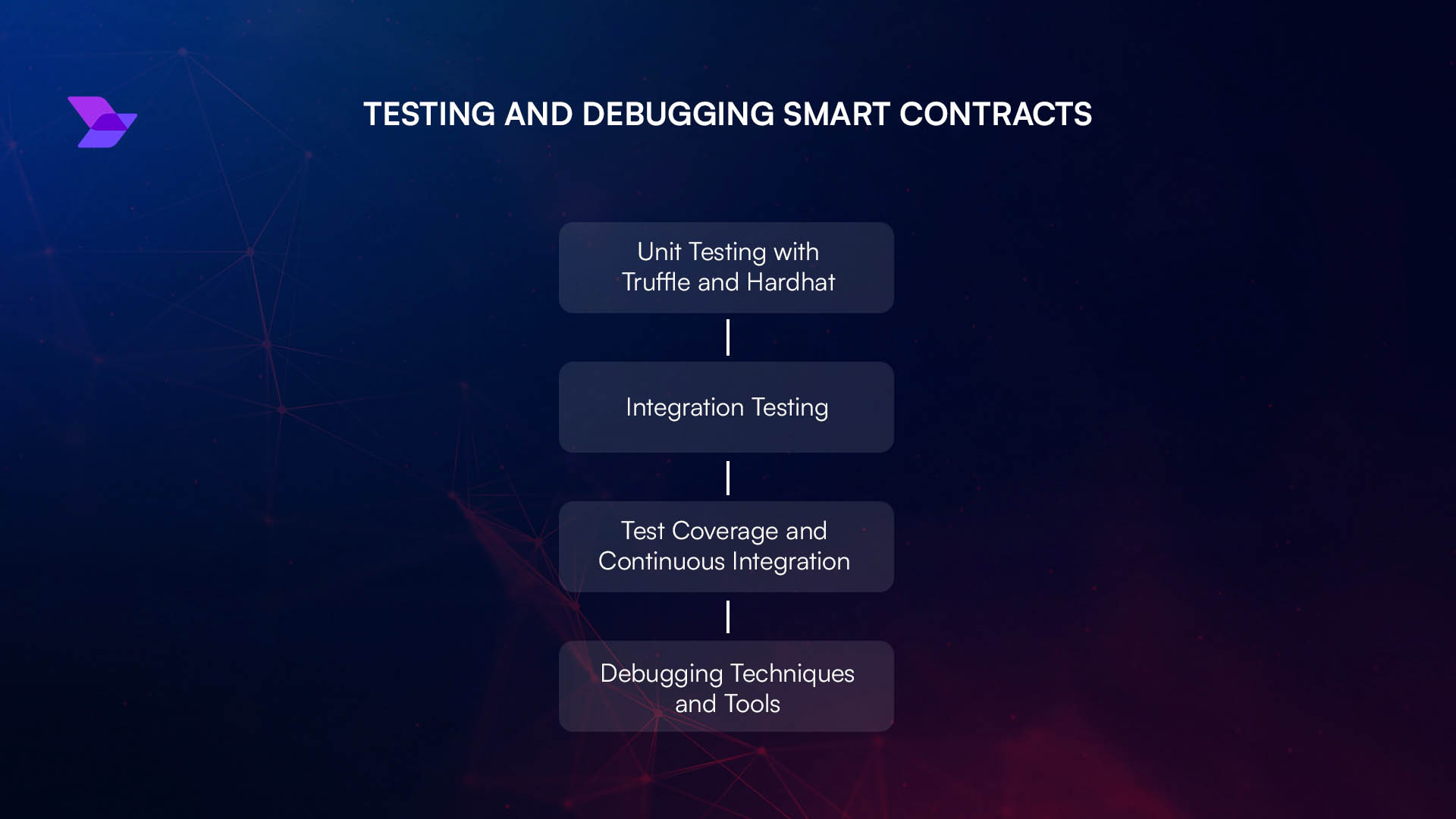
- 3. Fractional Token Minting: Mint security or utility tokens (e.g., ERC-20/ERC-1155) representing fractional ownership, enabling liquidity as per Brickken and Sologenic models.
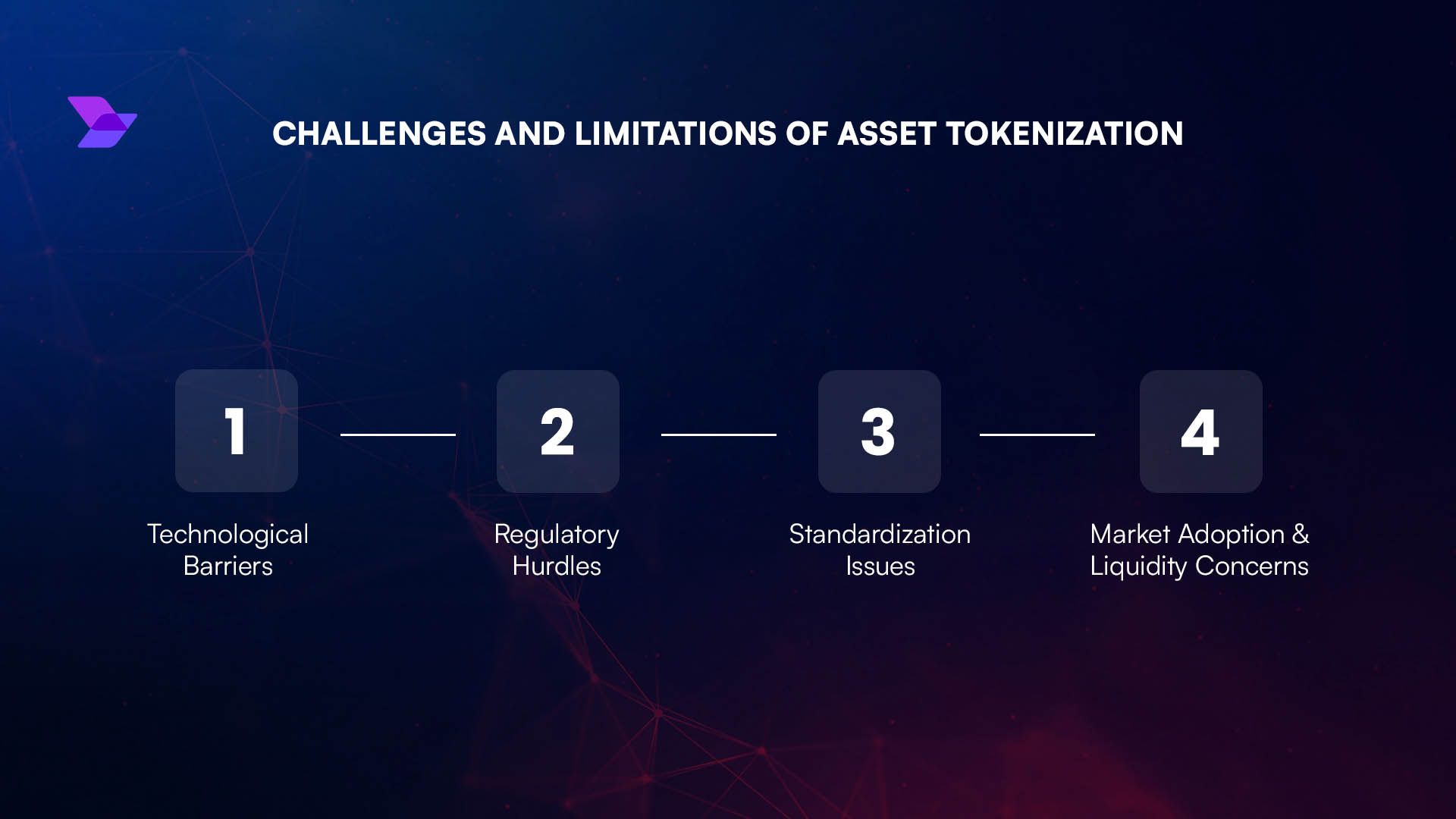
- 4. Marketplace Listing: List tokens on IP-focused exchanges like Patent Token Exchange or platforms such as InvestaX and Zoniqx for secondary trading.

- 5. Royalty Automation: Embed smart contract rules for automatic royalty distribution on licensing or sales, enhancing transparency like Datavault AI's tokenized systems.
Real-World Wins and Investor Strategies
Datavault AI's patents aren't outliers. They're catalysts. By merging blockchain with AI, they've created tokenized monetization for content, addressing piracy and underpayment head-on. Investors eyeing this space should prioritize patents in high-growth sectors: biotech, where approvals signal moonshots; or software, where open-source meets proprietary edges.
Strategically, blend on-chain patents with stable RWAs. Allocate 10-20% of a portfolio here for resilience. Watch for cross-chain interoperability; diversification across Ethereum, Solana, and Polymesh mitigates risks. Krayon Digital notes how this eases ownership, but I caution: due diligence on patent strength is non-negotiable. Weak claims lead to worthless tokens.
As Patent Token Exchanges mature, expect volume spikes. RWA. io emphasizes fair creator pay, aligning incentives. For crypto natives, this is portfolio evolution: from pure speculation to IP-backed yields.
Yet this evolution demands nuance. Not every patent shines on-chain; quality trumps quantity. Investors must scrutinize claim breadth, citation counts, and litigation history before committing to tokenized IP investments. Platforms like Fractional IP Rights vet assets rigorously, but personal due diligence remains paramount.
Navigating Risks in Fractional Patent Shares
Tokenization amplifies liquidity, yet it introduces fresh vulnerabilities. Enforcement across borders poses headaches; a U. S. patent tokenized on Ethereum holds little sway in China without bilateral agreements. Patent trolls, those serial litigators, could flood markets with dubious claims, eroding trust. Idealogic warns of this in startup contexts, where over-tokenization dilutes value.
From my hybrid analysis lens, mitigate by favoring battle-tested patents in Polymesh's ecosystem, where compliance is baked in. Volatility lingers too; IP values hinge on adoption cycles, not daily hype. Diversify across biotech patents for defensive plays and AI ones for growth, balancing short-term dips with long-haul royalties. InvestaX nails it: secondary trading tempers illiquidity, but price discovery is nascent.

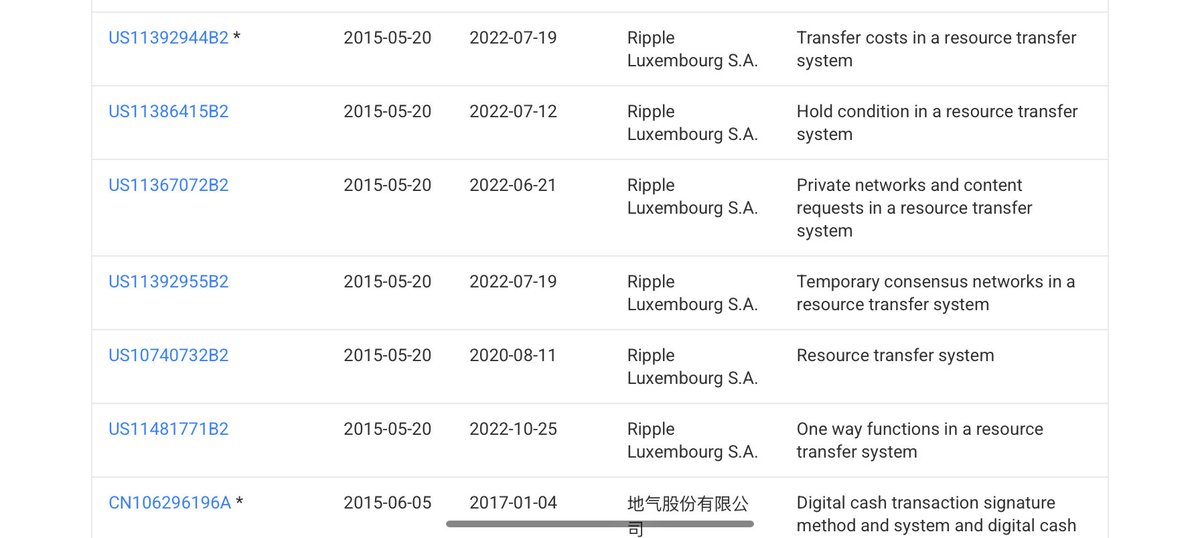

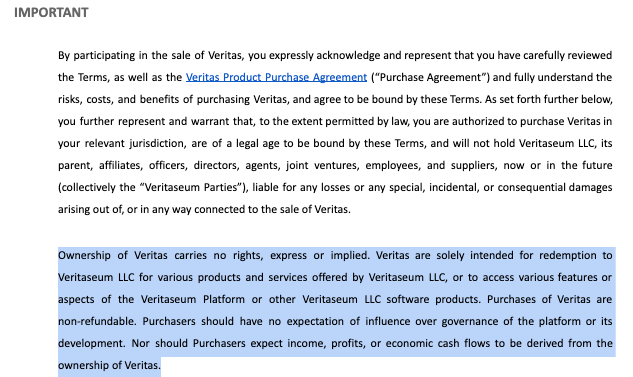
Regulatory winds shift swiftly. The SEC eyes security tokens warily, demanding KYC for fractional shares. Europe's MiCA framework offers clarity, potentially accelerating adoption. Garima Singh's vision of Patent Token Exchanges hinges on this maturation; without it, off-ramps to fiat remain clunky.
Strategies for Crypto Investors
Position on-chain patents as 15% portfolio anchors, complementing DeFi yields and blue-chip cryptos. Start small: acquire fractional patent shares crypto via audited platforms. Monitor oracle feeds for royalty accruals, reinvesting for compounding. Cross-chain bridges, like those from Sologenic, unlock arbitrage, but gas fees bite during peaks.
Opinionated take: prioritize patents with real revenue, not vaporware. Datavault AI exemplifies; their quantum-secured systems could dominate content licensing, yielding steady tokens. Pair with IP NFTs blockchain for collectible upside, but cap at 5% exposure. Medium-term, as Brickken enables collateralization, leverage ratios climb, amplifying returns judiciously.
Tokenized IP Portfolio Tips
- 1.15% in high-growth patents like Datavault AI's blockchain licensing patents for potential outsized returns.

- 2.5% in IP NFTs for fractional ownership and secondary market liquidity on platforms like Brickken.
- Diversify chains: Ethereum for broad liquidity, Polymesh for secure IP tokenization.
- Track royalty oracles weekly to verify automated revenue sharing from tokenized IP assets.
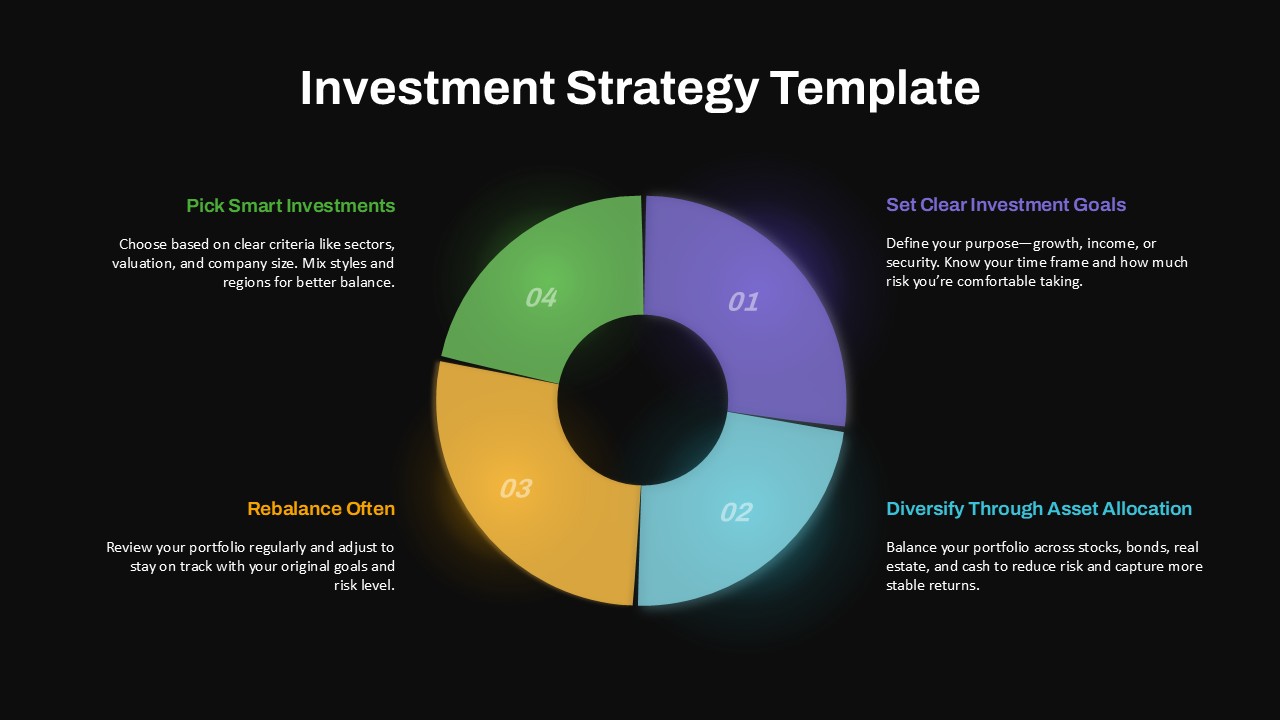
- Rebalance quarterly to maintain allocation amid IP market volatility and new token launches.
The Road Ahead for On-Chain IP
Zoniqx and RWA. io spotlight transparency's edge, automating disputes via blockchain oracles. As quantum threats loom, encrypted patents like Datavault's fortify the space. Expect institutional inflows; pensions eyeing RWAs will tokenize patent pools, stabilizing prices.
For inventors, this democratizes funding: mint tokens pre-grant, crowdsource validation. Crypto investors gain uncorrelated alpha, hedging Bitcoin's whims. Krayon Digital captures the shift; IP morphs from vaulted secrets to traded assets, fueling innovation loops.
Tokenized patents bridge crypto's frontier with invention's bedrock. Fractional IP Rights leads this charge, inviting measured bets on tomorrow's breakthroughs. Portfolios blending these tokens weather storms, rewarding patience with tangible invention-driven gains.

No comments yet. Be the first to share your thoughts!