

Picture this: a single patent powering the next breakthrough in renewable energy or machine learning, now sliced into affordable shares you can snag for a few hundred bucks. Fractional ownership of tokenized patents isn't just a tech buzzword; it's your ticket to blockchain patent investments that were once reserved for venture capital giants. As someone who's built portfolios blending DeFi with tokenized assets, I can tell you this shift empowers everyday investors to tap into high-value IP without the gatekeepers.

Patents have long been the crown jewels of innovation, but their illiquidity kept them out of reach. Enter blockchain tokenization, where a patent's rights - think royalties from licensing - get wrapped into digital tokens on chains like Ethereum or Polygon. These on-chain IP fractional shares let you own a piece of the action, trading them seamlessly on decentralized exchanges. It's like turning a vaulted treasure into a bustling marketplace stock.
Why Tokenized Patents Are Democratizing Elite Investments
I've seen portfolios skyrocket by diversifying into intangibles, and fractional IP is the game-changer. Take a startup with a killer biotech patent: instead of begging VCs for equity-diluting cash, they tokenize it. Each token represents a slice of future revenues, distributed automatically via smart contracts. Investors like you buy in small, gaining exposure to upside without full commitment. Platforms are emerging - think Patent Token Exchanges - converting IP into security tokens for trading, much like how RealT fractionalizes real estate for passive income.
This model shines in sectors like pharma, where a single patent can generate millions in royalties. Brickken highlights how IP tokenization turns licensing rights into tradable assets, shared or held freely. No more waiting years for exits; liquidity flows instantly. And for creators? Immediate funding fuels R and amp;D, fueling that cycle of innovation we all crave.
Smart Contracts Fueling Transparent Royalty Streams
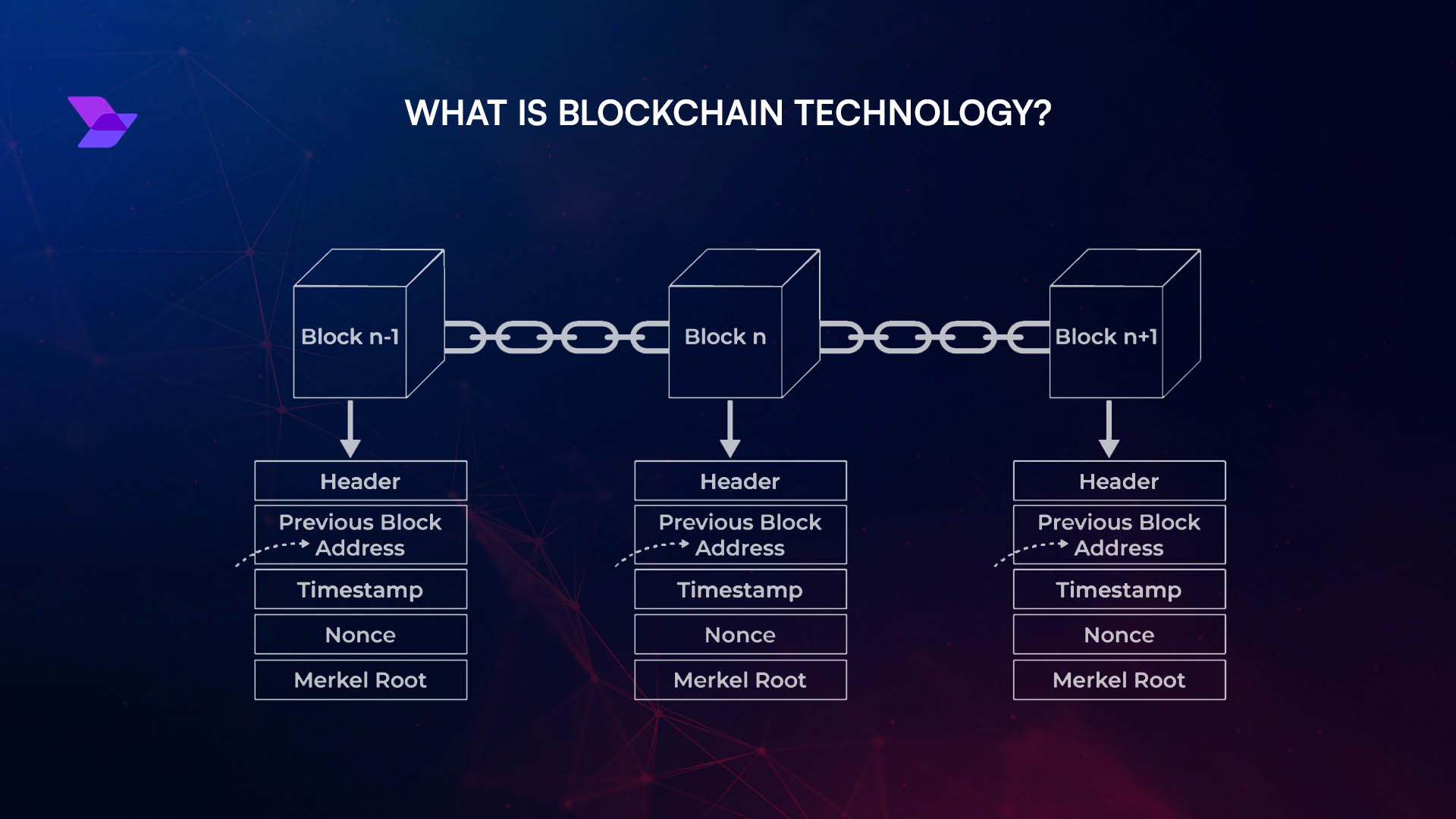
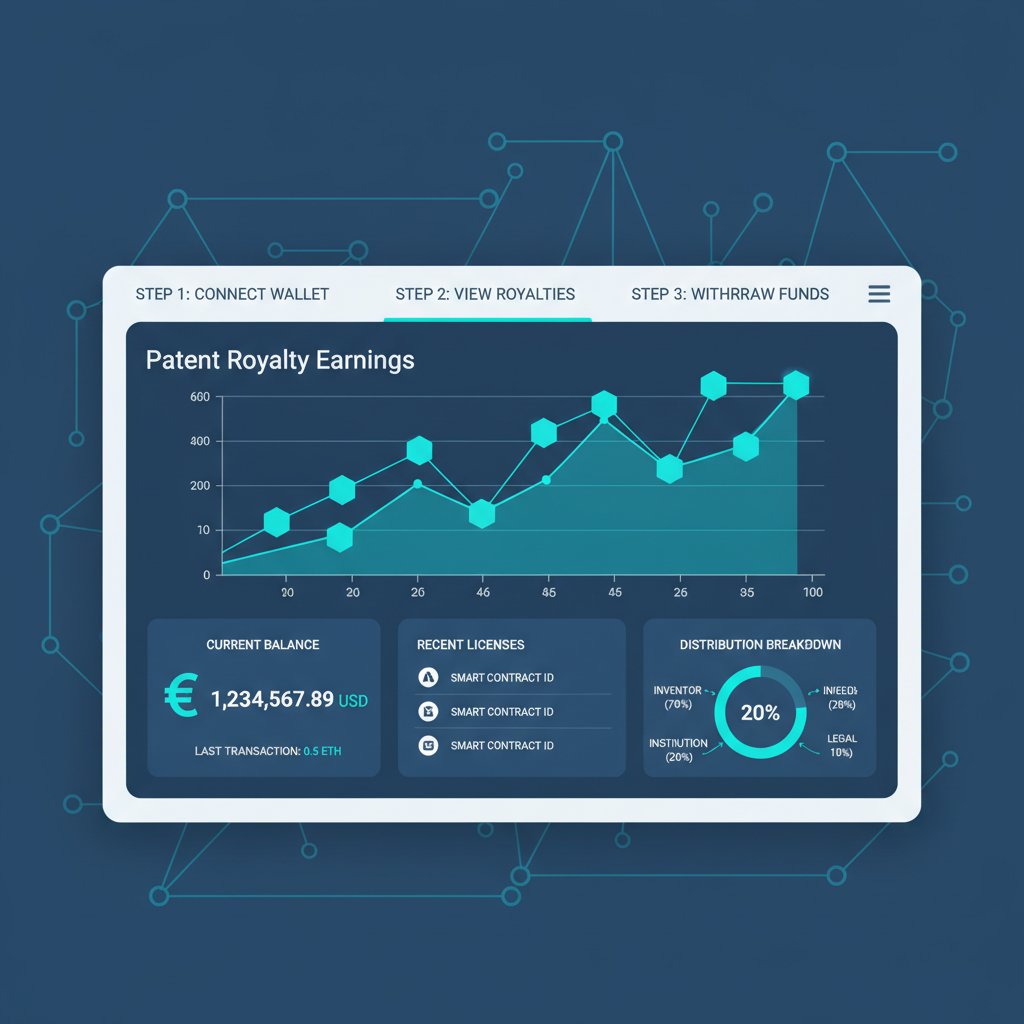
At the heart of tokenized intellectual property NFTs are smart contracts - self-executing code that automates everything. When a licensee pays royalties, the contract splits payouts proportionally to token holders. Transparent? Audited on-chain ledgers mean no disputes, just trustless efficiency. Chainlink's take on fractional ownership nails it: divide RWAs into tokens, manage via smart contracts for crystal-clear ownership.
Top 5 Benefits of Fractional Patents
- 1. Low entry barriers for high-value IP: Invest in premium patents with just hundreds of dollars, not millions, thanks to blockchain tokenization like on Ethereum.

- 2. Automated, tamper-proof royalties: Smart contracts on blockchains like Ethereum instantly distribute earnings securely, no middlemen needed.
- 3. 24/7 global trading liquidity: Trade patent tokens anytime worldwide on decentralized exchanges, unlocking instant liquidity for IP assets.

- 4. Portfolio diversification beyond stocks & crypto: Add high-return IP to your mix, like tokenized patents alongside real estate via RealT-style models.
- 5. Direct support for inventors: Fund breakthroughs without equity dilution, empowering startups via platforms exploring IP tokenization like Brickken.
Challenges exist, sure - regulatory hurdles demand compliant structures, and valuations need precision. Yet, as OlarkeMoure notes, tokenization eases buying and selling IP fractions. Recent moves, like Socialerus tokenizing YouTube portfolios via IX Swap, show the blueprint works beyond patents, proving scalability.
Real-World Momentum Building for On-Chain IP
We're witnessing a surge. Clockwork. app spotlights fractional pharma patents or film rights as tokens, unlocking new capital pools. Catalyst Blockchain Manager emphasizes how tokenization fractures illiquid assets into multitudes, mirroring real estate plays from Tokenization Labs. A startup might issue tokens for its full patent portfolio, each granting royalty slices. Investors trade SCR-1 style tokens, blending income with growth potential.
This isn't hype; it's hybrid strategy gold. Medium-risk exposure to IP outperforms traditional alts when diversified right. As patents tokenize, invest in fractional patents blockchain becomes not just viable, but savvy. Early movers will claim the edge in this intangible revolution.
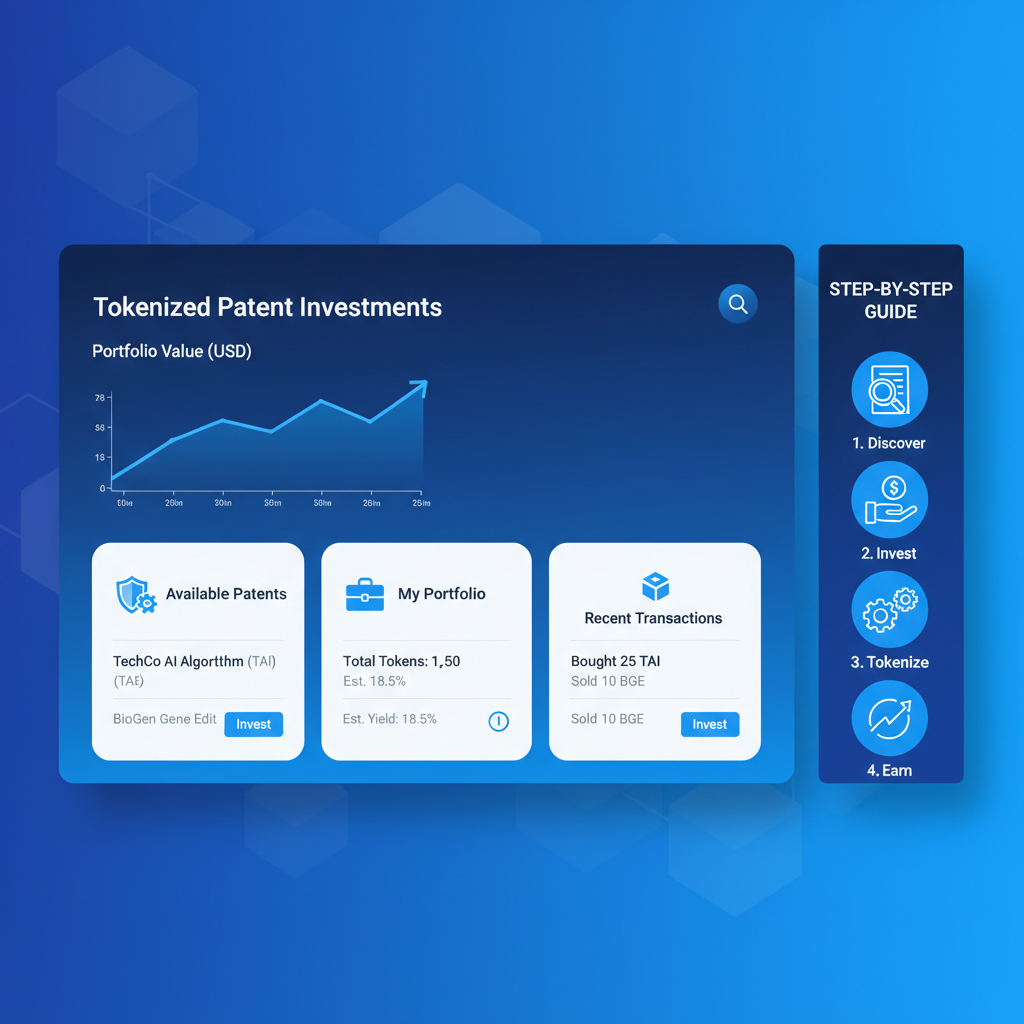
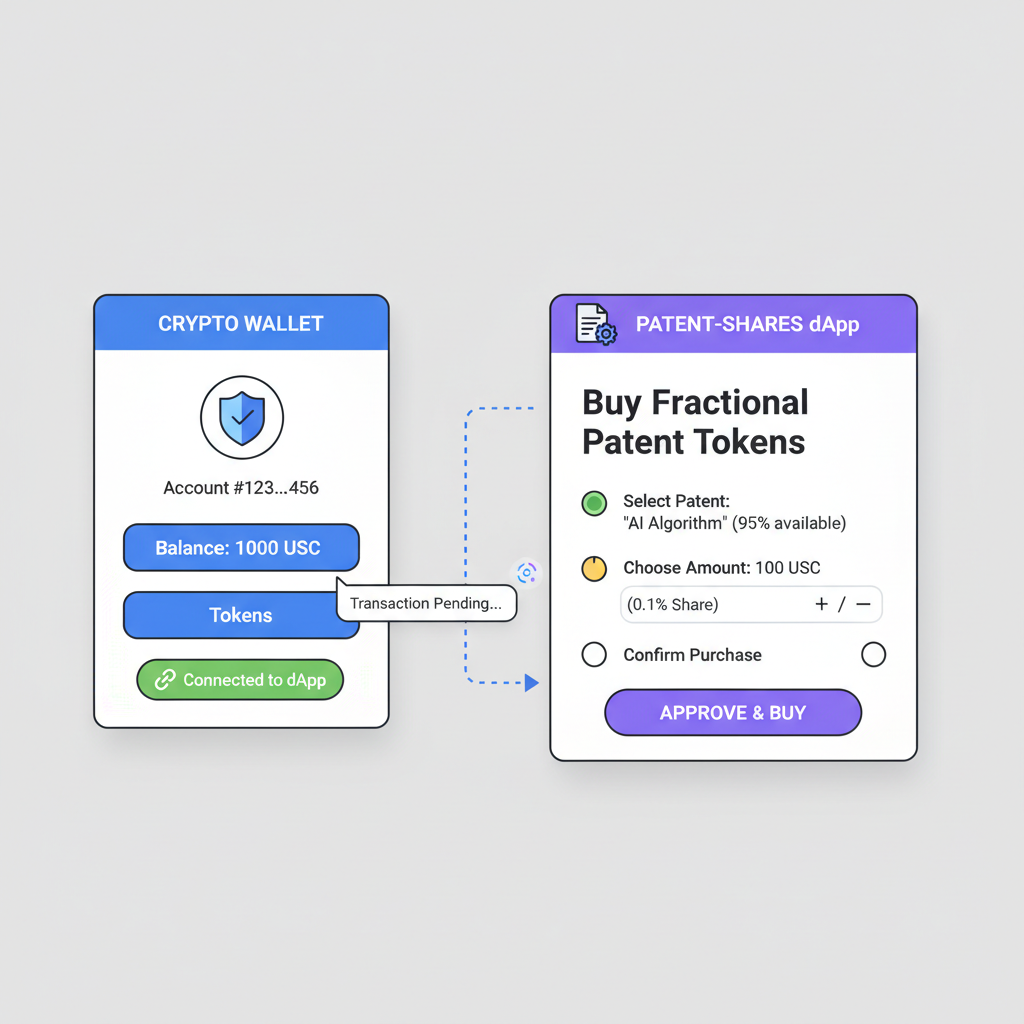
Getting hands-on with fractional ownership tokenized patents starts with picking the right platforms. As your guide through these waters, I've vetted spots mimicking RealT's real estate success but for IP: marketplaces converting patents into tokens, complete with audited smart contracts. Imagine snagging on-chain IP fractional shares from a green tech patent, royalties hitting your wallet monthly. That's the passive income dream, scaled to inventions.
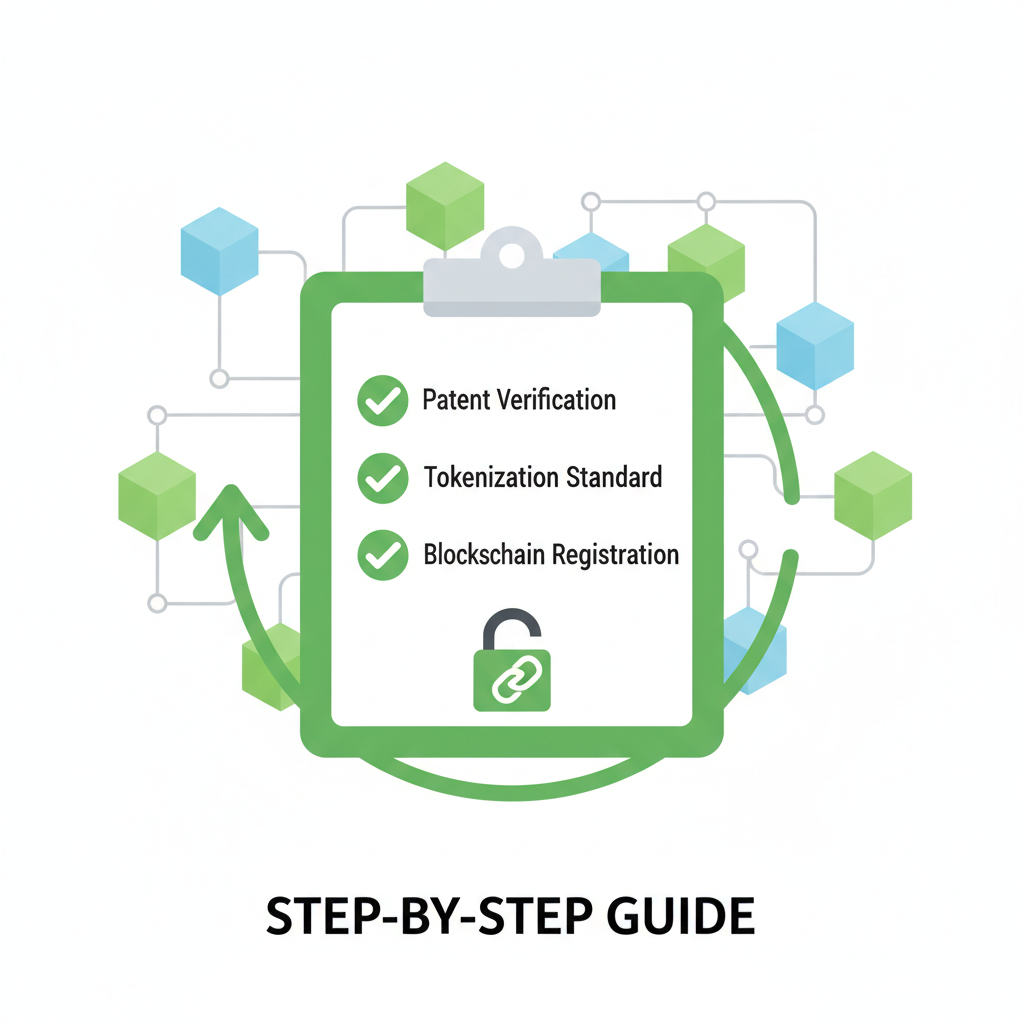
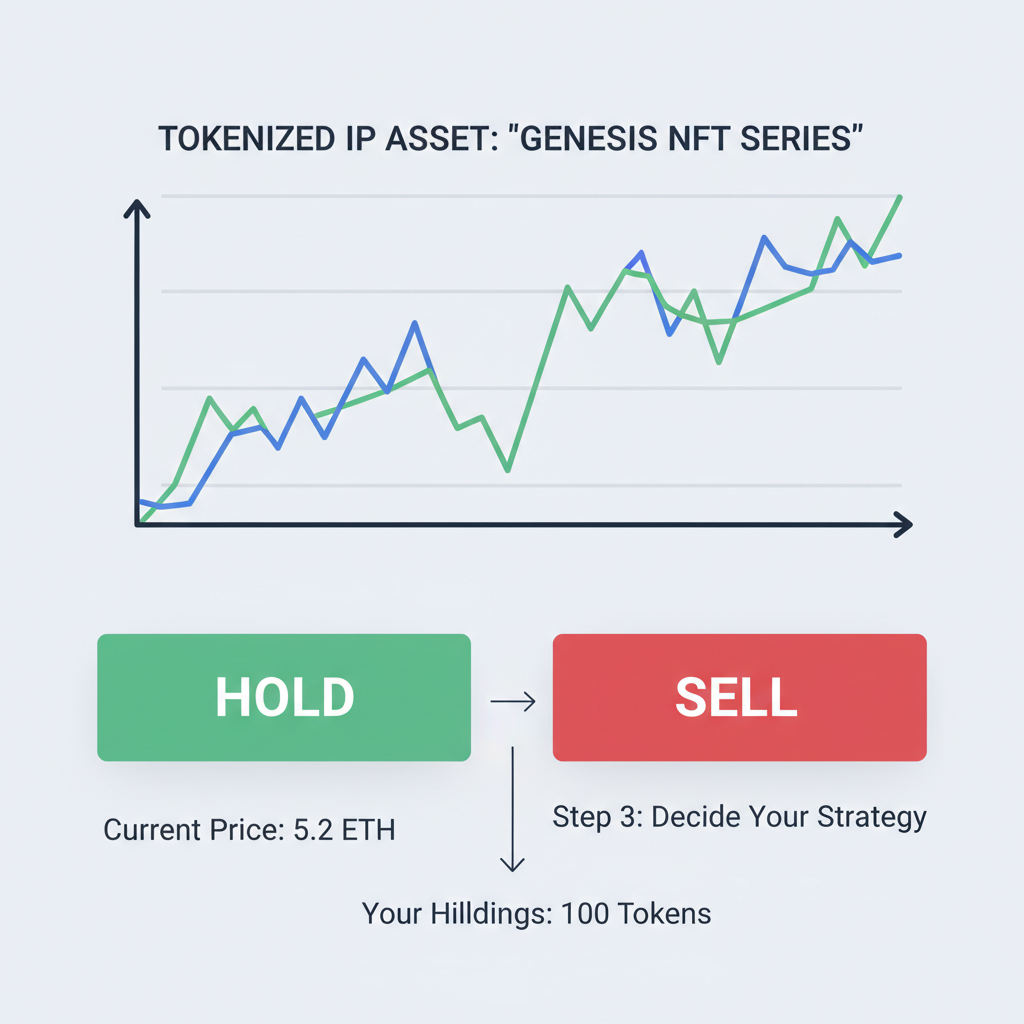
Unlock Fractional Patent Power: Your 5-Step Investment Guide
Navigating Challenges in Blockchain Patent Investments
Let's talk hurdles head-on, because no revolution skips the rough patches. Regulatory compliance tops the list; tokenized IP must navigate securities laws, often structured as security tokens on compliant chains. Valuation accuracy demands expert appraisals, blending market comps with projected royalties. Legal frameworks lag, but pioneers like Patent Token Exchanges are bridging gaps by treating IPR as tradable securities. I've advised clients through this, stressing hybrid setups: pair IP tokens with stable alts for medium-risk balance.
Yet, the payoff crushes the pain. Tokenization sidesteps equity dilution for startups, channeling funds straight to breakthroughs. Investors gain diversified exposure; a pharma patent token might yield 10-20% annually from licensing, far outpacing bonds. OlarteMoure underscores how this fractional model simplifies IP trades, echoing Pence Law Firm's real estate parallels where shares tokenize seamlessly.
Empowering Startups and Investors Alike
Startups thrive here. Tokenize a portfolio on Ethereum, issue tokens tied to royalty rights, and boom: capital without VCs breathing down your neck. Investors? You vote on licensing deals via governance tokens, influencing outcomes directly. It's participatory capitalism on steroids. Chainlink's fractional RWA model powers this, with oracles feeding real-world data for automated payouts.
Look at Socialerus with IX Swap: they fractionalized YouTube channels into SCR-1 tokens, proving content IP works. Scale that to patents - a machine learning algo or drug formula - and you've got liquid gold. Clockwork. app envisions pharma patents splintered into shares, flooding capital into R and D. Catalyst Blockchain Manager nails it: shatter illiquidity into token multitudes. Kenson Investments spotlights platforms like Tokenization Labs for high-value fractions, a template ripe for IP.
This ecosystem matures fast. Smart contracts ensure every royalty drop splits fairly, on-chain transparency building ironclad trust. For portfolio builders, blend these with DeFi yields: 60% stables, 20% IP tokens, 20% blue-chip crypto. My clients see steadier gains, sleeping better amid volatility.
You're not just investing; you're fueling tomorrow's tech. Grab those tokenized intellectual property NFTs, trade on DEXes, and watch your stake in innovation compound. The gatekeepers are gone; the blockchain patent revolution hands power to you. Dive in, diversify smart, and own the future of IP. Platforms like ours at Fractional IP Rights make it seamless - tokenized patents await your portfolio.




No comments yet. Be the first to share your thoughts!