

Fractional Ownership of Patents via IP NFTs: Unlocking Liquidity for Inventors 2026

In the evolving landscape of intellectual property, fractional patent ownership through IP NFTs stands as a game-changer for inventors seeking liquidity without surrendering full control. Imagine dividing a single patent into thousands of digital shares, each tradable on blockchain platforms, generating royalties that flow directly to holders. This model, powered by Ethereum at its current price of $2,055.38 with a 24-hour gain of and $140.17 ( and 7.32%), transforms static assets into dynamic investments. As patents tokenize, inventors access capital swiftly, while investors tap into high-value innovations previously locked behind institutional gates.

The momentum builds from regulatory nods and pioneering projects. The USPTO’s joint study with the USCO highlights NFTs’ role in managing patent registration, ownership, and licensing, automating royalties via smart contracts. Platforms like Frac. io enable tokenization of patents alongside copyrights and trademarks, fostering fractional shares that democratize access. This isn’t mere hype; it’s a structural shift where tokenized patents NFTs create programmable revenue streams, echoing traditional securities but with blockchain’s transparency.
Mechanics of IP NFT Fractional Shares
At its core, an IP NFT represents bundled rights to a patent, minted on Ethereum or BNB Chain. Inventors upload patent details to the blockchain, where smart contracts slice ownership into fractions. Each IP NFT fractional share is unique, verifiable, and transferable. Holders earn proportional royalties from licensing deals, enforced automatically. For instance, XiD Technologies tokenized 20% of multiple patents into 5,000 F-NFTs, distributing future earnings to buyers. This setup sidesteps intermediaries, reducing costs and disputes.
Tokenization turns illiquid IP into tradable assets, much like stocks revolutionized corporate ownership.
Critically, the NFT itself isn’t the patent; it’s a token linked via metadata to legal rights. Courts have yet to fully test this linkage, but precedents in NFT art sales bolster confidence. Platforms ensure compliance by integrating KYC and tying tokens to audited patents, mitigating duplication risks across chains.
Blockchain IP Royalties in Action
On-chain patent trading shines through real deployments. Voice Life’s F-NFTs on Binance Chain offer passive income from IP, blending diversification with liquidity. Investors buy shares starting small, pooling into portfolios that rival venture funds. Frac extends this to celebrities and schools, tokenizing trademarks for broad appeal. Royalties, once manual and opaque, now trigger via oracles monitoring licensing events, disbursing ETH or stablecoins instantly.
Market data underscores viability: With ETH at $2,055.38 buoyed by NFT ecosystem growth, transaction volumes for IP tokens are climbing. Prediction models forecast sustained upside as adoption scales, driven by institutional entry. Yet, challenges persist; volatility demands hedging, and global IP laws vary, necessitating hybrid legal wrappers.
Ethereum (ETH) Price Prediction 2027-2032
Forecasts amid IP NFT boom enabling fractional patent ownership and increased Ethereum blockchain usage
| Year | Minimum Price | Average Price | Maximum Price |
|---|---|---|---|
| 2027 | $2,800 | $4,500 | $6,500 |
| 2028 | $3,500 | $6,000 | $9,000 |
| 2029 | $4,200 | $8,000 | $12,500 |
| 2030 | $5,000 | $10,500 | $16,000 |
| 2031 | $6,200 | $13,000 | $20,000 |
| 2032 | $7,500 | $16,500 | $25,000 |
Price Prediction Summary
Ethereum prices are projected to see strong growth from 2027-2032, driven by IP NFT adoption for patent fractionalization, with average prices rising progressively from $4,500 to $16,500 amid bullish market cycles, regulatory progress, and Ethereum’s dominance in NFT ecosystems. Bear cases account for potential downturns, while bull scenarios reflect peak adoption.
Key Factors Affecting Ethereum Price
- IP NFT tokenization of patents boosting Ethereum transaction volume and fees
- Ethereum network scalability improvements (e.g., layer-2 solutions)
- Regulatory developments supporting tokenized IP assets
- Broader crypto market cycles and halving events
- Institutional investment in RWAs and fractional ownership
- Competition from alternative blockchains and macroeconomic factors
Disclaimer: Cryptocurrency price predictions are speculative and based on current market analysis.
Actual prices may vary significantly due to market volatility, regulatory changes, and other factors.
Always do your own research before making investment decisions.
Pioneering Platforms Driving Adoption
Frac leads by powering IP fractionalization for diverse assets, creating marketplaces where patents trade like blue-chip stocks. Their Ethereum-based tools handle minting, trading, and compliance seamlessly. XiD’s soft launch of patent F-NFTs drew retail investors, proving demand for blockchain IP royalties. Similarly, emerging Patent Token Exchanges (PTEs) convert IPR into security tokens, enabling secondary markets.
These platforms address inventor pain points head-on. Traditional licensing drags years and yields meager upfront cash; tokenization flips this, injecting funds at minting while retaining upside. Investors gain granularity, owning slivers of breakthrough tech in AI, biotech, or green energy patents. As Ethereum holds $2,055.38 amid 7.32% gains, the infrastructure ripens for mass scaling.
Regulatory evolution supports this. USPTO explorations into NFTs for royalty tracking signal endorsement, provided tokens clearly delineate rights. Brickken and Yudiz Solutions emphasize secure fractionalization, where tokens embody licensing programmability, revolutionizing revenue models.
Investors stand to gain profoundly from this paradigm. Fractional patent ownership lowers barriers, enabling portfolios diversified across biotech breakthroughs, AI algorithms, and renewable energy innovations without multimillion-dollar commitments. Royalties compound steadily, outpacing volatile meme coins, as underlying patents mature through enforcement and licensing. Ethereum’s resilience at $2,055.38, up 7.32% in 24 hours to a high of $2,067.44, underpins this stability, signaling blockchain maturity for real-world assets.
Key Advantages for Inventors and Investors
Inventors unlock capital at inception, funding R and amp;D while sharing risks. No longer beholden to venture capitalists demanding equity dilution, they retain majority stakes through fractional sales. Platforms automate compliance, embedding terms like non-dilution clauses into smart contracts. For investors, blockchain IP royalties offer uncorrelated returns; patents generate cash flows immune to stock market whims, fortified by 20-year monopolies.
Benefits of IP NFT Fractional Shares
-
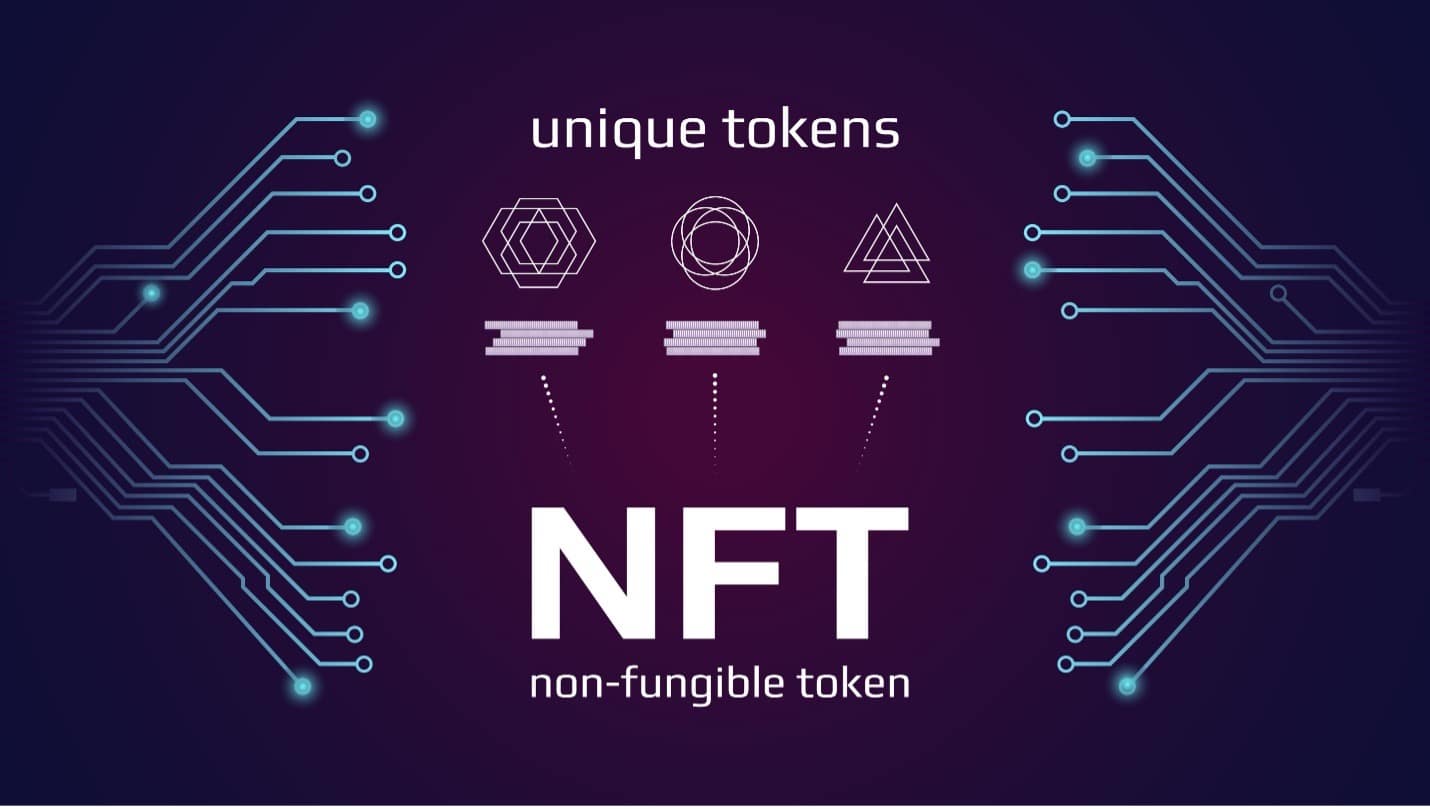
Liquidity Boost for Inventors: Tokenizing patents as IP NFTs on platforms like Frac enables selling fractional shares, providing quick access to capital without full ownership transfer.
-
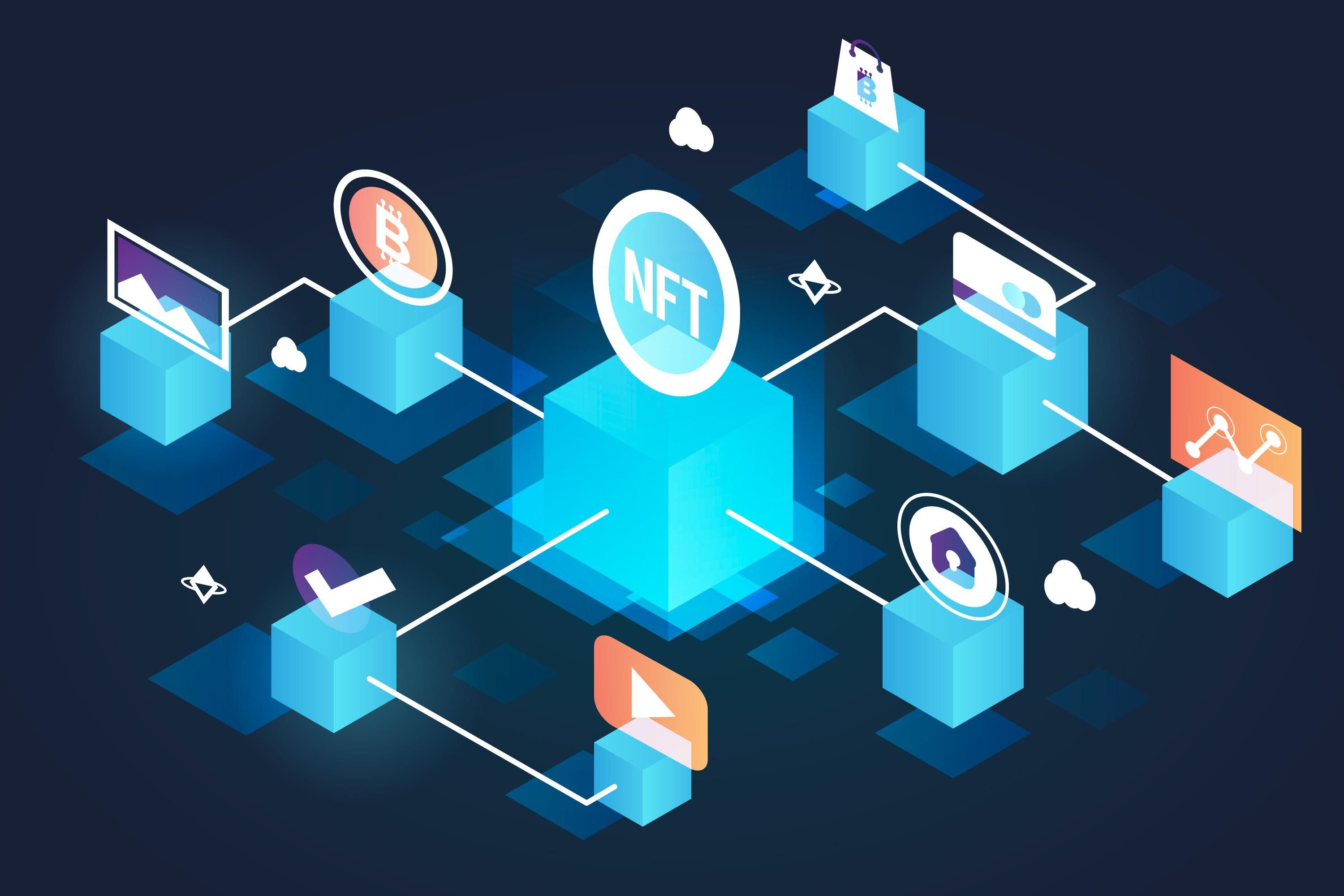
Diversified Royalties for Investors: Investors gain proportional royalties from patents via F-NFTs, as in XiD Technologies’ 5,000 Ethereum-based tokens representing 20% patent ownership.
-
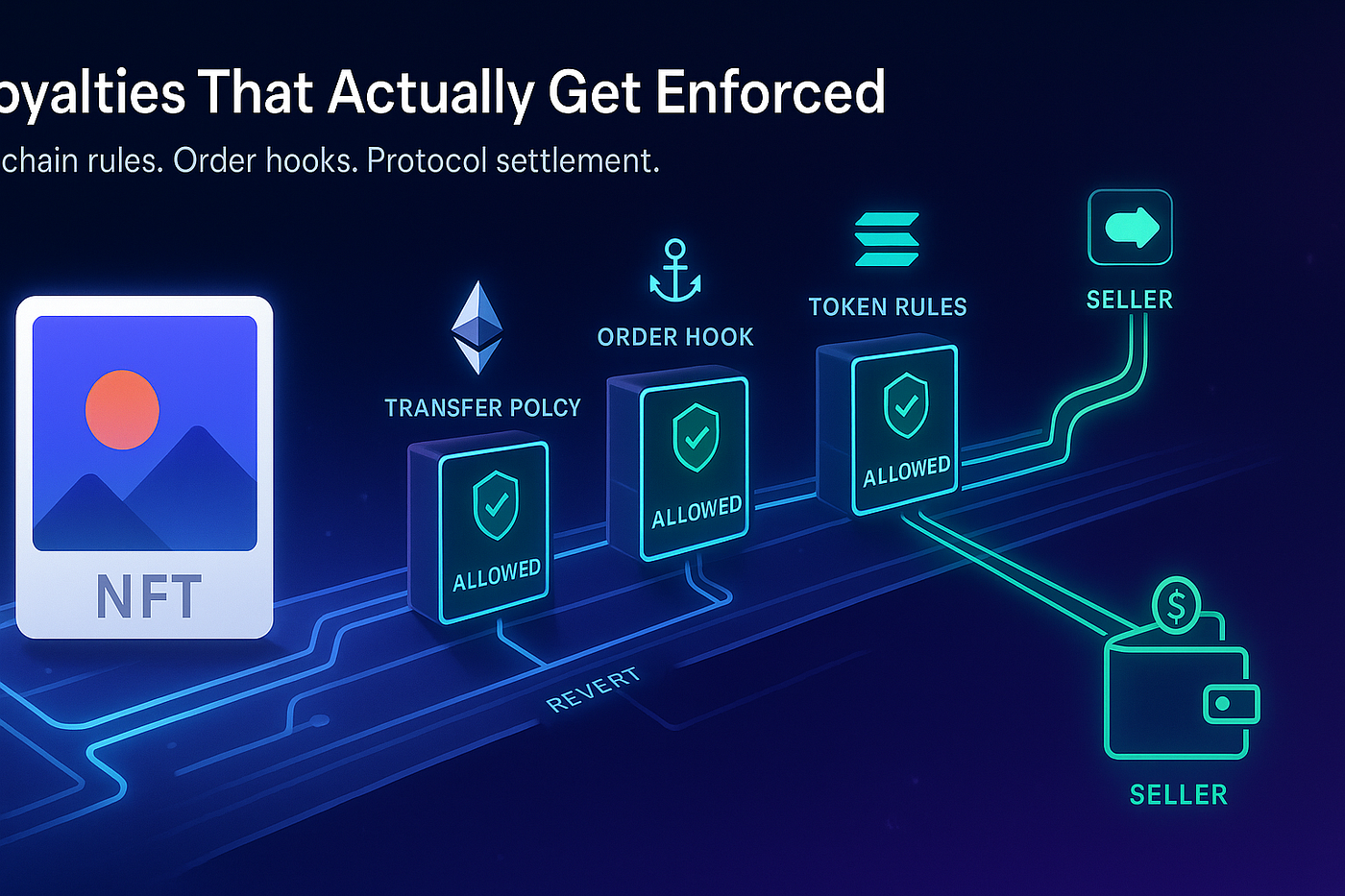
Automated Payments via Smart Contracts: Smart contracts automatically distribute royalties to F-NFT holders, as recognized by the USPTO for efficient IP management.
-
Transparent On-Chain Ownership Records: Blockchain ledgers provide immutable, verifiable records of fractional ownership and transfers for patents.
-
Reduced Intermediary Fees: Tokenization bypasses traditional brokers, lowering costs for licensing and trading IP assets like Voice Life’s BNB Chain F-NFTs.
This synergy fosters ecosystems where universities tokenize research patents, channeling alumni investments back into innovation hubs. Picture a green tech patent fractionalized into 10,000 shares; early buyers reap royalties as adoption surges, mirroring equity windfalls but with IP’s defensibility.
Overcoming Hurdles in Tokenized Patents NFTs
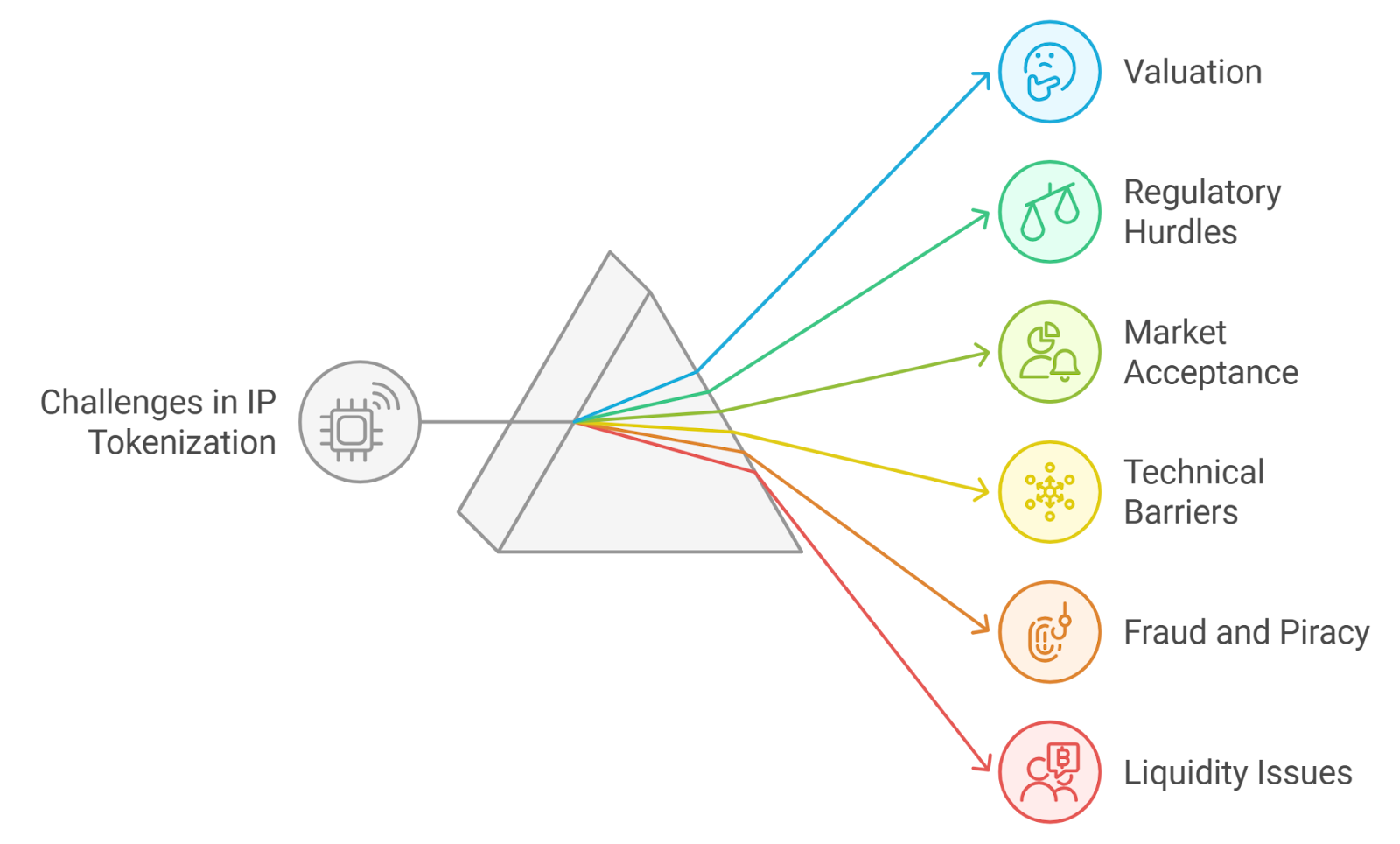
Skeptics cite legal ambiguities, yet momentum builds. The USPTO-USCO report clarifies NFTs as administrative tools, not IP substitutes, urging metadata standards for enforceability. Cross-chain duplication risks yield to layer-2 solutions and oracle verifications, ensuring one true owner. Volatility? Stablecoin pairings and royalty vaults hedge effectively. Global harmonization lags, but EU’s MiCA framework and Singapore’s pilots pave compliant paths.
Technical maturity accelerates adoption. Ethereum’s proof-of-stake slashes fees, vital for micro-royalty distributions. Oracles like Chainlink feed licensing data on-chain, triggering payouts in real-time. As PTEs mature, secondary markets deepen liquidity, with order books rivaling Nasdaq for blue-chip patents.
Patents, once dusty vaults, now pulse as tokenized engines of prosperity, rewarding foresight across the chain.
Forward thinkers position accordingly. With ETH steady at $2,055.38 amid NFT resurgence, fractional IP beckons as the ultimate asymmetric bet: low entry, high defensibility, perpetual yields. Inventors fund visions; investors harvest legacies. Platforms like Fractional IP Rights pioneer this frontier, blending institutional rigor with blockchain speed. As 2026 unfolds, expect patent tokenization to eclipse real estate fractions, cementing IP as the era’s premier asset class.
Market watchers note Ethereum’s 24-hour low of $1,910.31 tested resolve, yet the rebound affirms conviction. IP NFTs thrive atop this base, royalties accruing irrespective of crypto cycles. For the astute, this convergence spells generational wealth transfer, from silos to shared ledgers.