

In the evolving landscape of intellectual property, fractional ownership of patents through IP NFTs is quietly reshaping how innovators fund breakthroughs and how investors access high-value assets. Traditionally, patents have been locked in illiquid markets, accessible only to deep-pocketed institutions. Blockchain changes that equation, tokenizing patents into NFTs that can be divided into tradable fractions. This allows everyday investors to own slices of innovations worth millions, with Ethereum's current price at $1,957.93 underscoring the network's stability amid a 24-hour dip of -0.000920%.
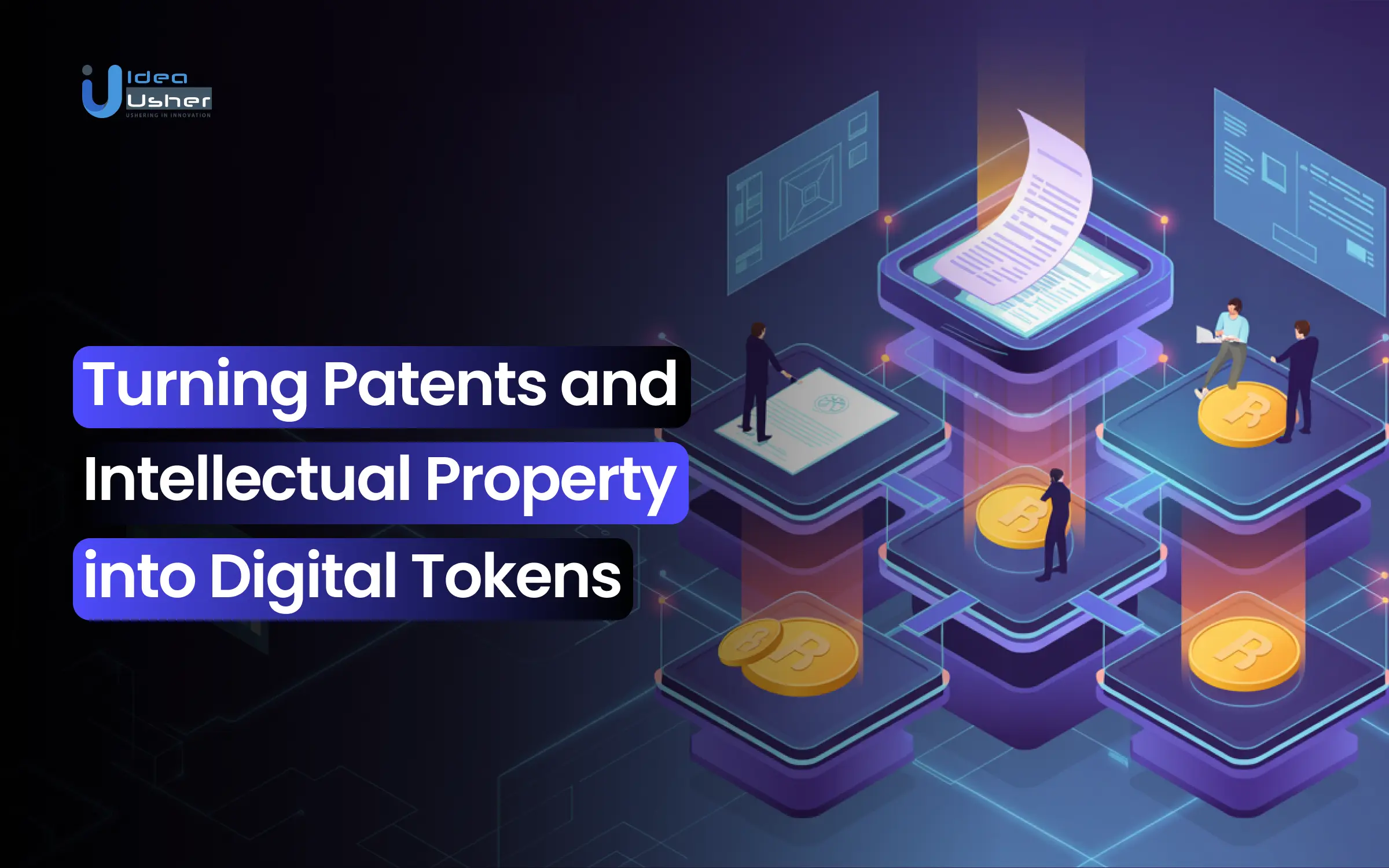
Picture a facial recognition patent, once the sole domain of venture capitalists, now splintered into 1,000 digital tokens. Each token represents a claim on future royalties, traded seamlessly on-chain. Platforms like Fractional IP Rights pioneer this, enabling tokenized patents investing without the full burden of outright purchase. Yet, as with any frontier, precision matters: not all tokens confer legal title, often linking instead to revenue streams.
Decoding the Technology Behind IP NFTs Blockchain
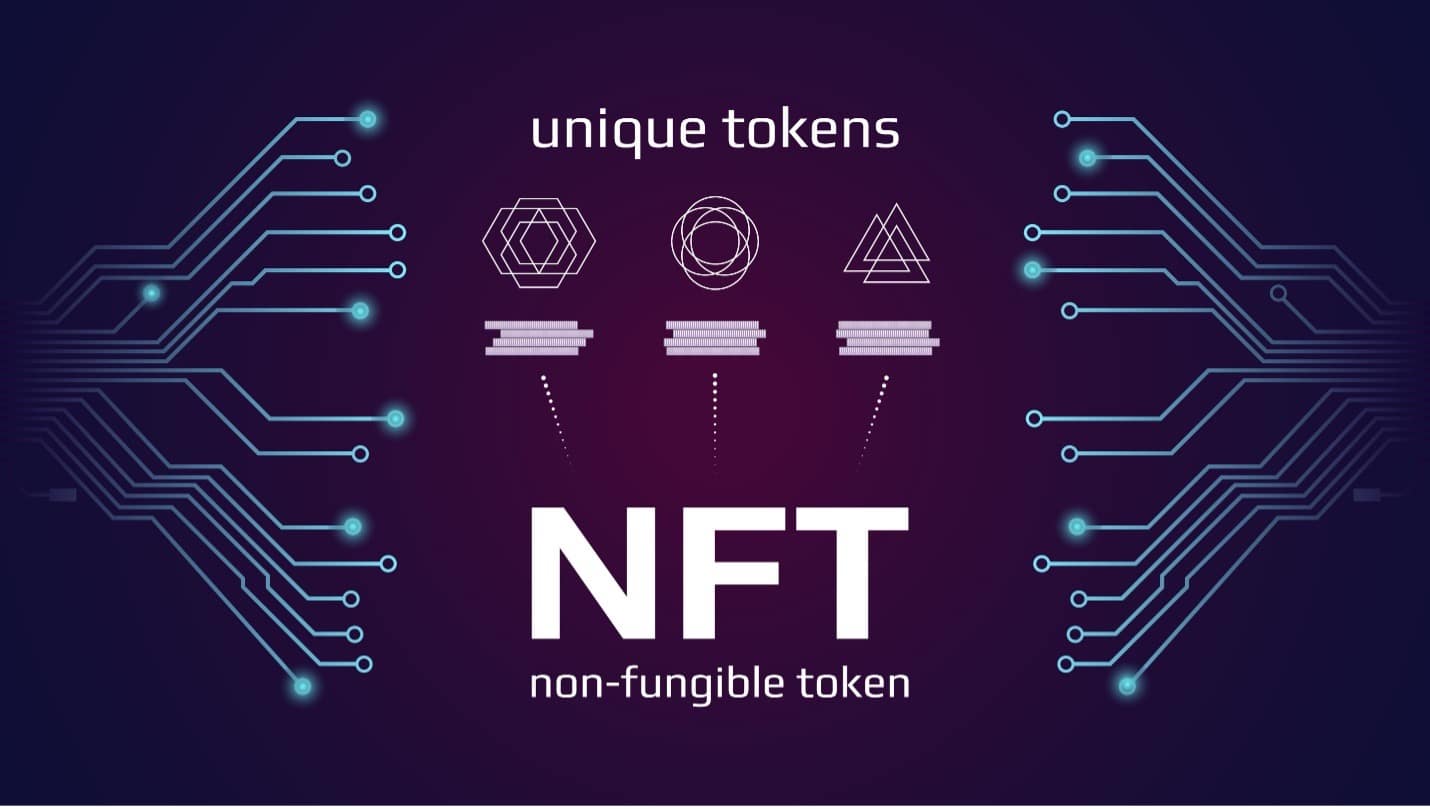
At its core, an IP NFT is a unique blockchain token linked to a patent's metadata, rights, and enforcement details. Smart contracts automate fractionalization, dividing ownership into ERC-1155 or ERC-404 tokens for liquidity. Chainlink's oracles feed real-world data, ensuring transparency in royalty distributions. Porter Hedges LLP highlights how this model lets smaller investors buy pieces of patent assets, while Tokeny's analysis notes fractionalization boosts co-ownership in illiquid high-value NFTs.
Key Advantages of Fractional IP Investments
- Enhanced liquidity: Tokenizing patents as NFTs, like IPwe's 25 million dynamic NFTs, creates tradable shares in illiquid markets.
- Diversified risk exposure: Small investments across multiple patents reduce reliance on single assets, as enabled by blockchain fractionalization.

- Democratized access: Platforms like XiD Technologies allow smaller investors to own fractions of high-value patents such as facial recognition tech.
- Automated royalty payouts: Smart contracts on Ethereum ensure transparent, automatic distribution of revenues to fractional owners.
- Portfolio diversification: Adds IP assets to traditional portfolios, expanding beyond stocks and bonds via blockchain.
This isn't mere hype. Marshall, Gerstein and amp; Borun LLP's primer on IP tokenization explains how patent holders sell fractional shares to multiple buyers, unlocking capital without ceding control. On Ethereum, where gas fees align with today's $1,957.93 ETH price, transactions remain feasible for modest stakes.
Real-World Momentum in Fractional Ownership Patents
XiD Technologies set a benchmark by tokenizing facial recognition patents on Ethereum, issuing fractional NFTs tied to royalties. Holders gain passive income potential, drawing retail investors wary of full IP acquisition costs. IPwe escalates this with 25 million active patents as dynamic NFTs on their SIAM platform, promising efficient management and trading. IP CloseUp reports a 'fractional ownership' patent itself offered as an NFT, signaling market maturation.
Coinmetro observes fractional NFT ownership divides single assets into shares for broader participation, mirroring patent dynamics. Oracle Blogs adds that fractional high-value assets spur marketplace activity. With ETH hovering at $1,957.93 after a 24-hour high of $1,984.51, blockchain costs support this scaling without prohibitive fees.
Navigating Risks in On-Chain IP Rights
Caution tempers enthusiasm. Bbosolicitors on Instagram questions whether NFT fractions grant true patent ownership or mere revenue shares, warning of undefined terms breeding confusion. Legal enforceability lags: courts grapple with blockchain proofs of title. Duplicative tokenizations across chains risk authenticity disputes, demanding robust verification like IPwe's protocols.
American University Intellectual Property Brief envisions patents as NFTs for accurate, accessible data, yet stresses compliance. Meegle's NFT fractional guide echoes tradability benefits but urges due diligence. My view, honed by 15 years in risk management: prioritize platforms with audited contracts and clear governance. Secure the base - verify token-to-patent linkages - before scaling into fractional IP investments.
Investors eyeing tokenized patents investing must adopt a disciplined approach. Start with thorough due diligence on the underlying patent's validity and commercialization potential. Platforms like Fractional IP Rights integrate legal wrappers around NFTs, bridging blockchain promises with enforceable rights. This hybrid model mitigates risks, ensuring fractions tie directly to revenue or licensing streams.
Building a Resilient Portfolio with On-Chain IP Rights
Fractional IP investments shine in diversification. A single patent NFT fraction, priced accessibly amid Ethereum's steady $1,957.93 valuation, complements volatile equities or crypto holdings. Smoothed volatility charts reveal IP NFTs' lower beta, offering ballast during downturns. Chainlink's fractional ownership framework underscores smart contracts' role in automating payouts, reducing counterparty risk inherent in traditional IP deals.
Essential Downside Protection Strategies
- Audit smart contracts: Engage established auditors like Certik or PeckShield to identify vulnerabilities in fractional IP NFT contracts on platforms such as Ethereum.
- Assess patent enforceability: Consult patent attorneys and review USPTO records to evaluate validity, prior art, and litigation history before investing.

- Monitor royalty pipelines: Track distributions via blockchain explorers like Etherscan and dashboards from platforms such as IPwe's SIAM to ensure transparent revenue flows.
- Diversify across tech sectors: Allocate across AI, biotech, and semiconductors to reduce exposure to sector-specific risks in the illiquid patent NFT market.

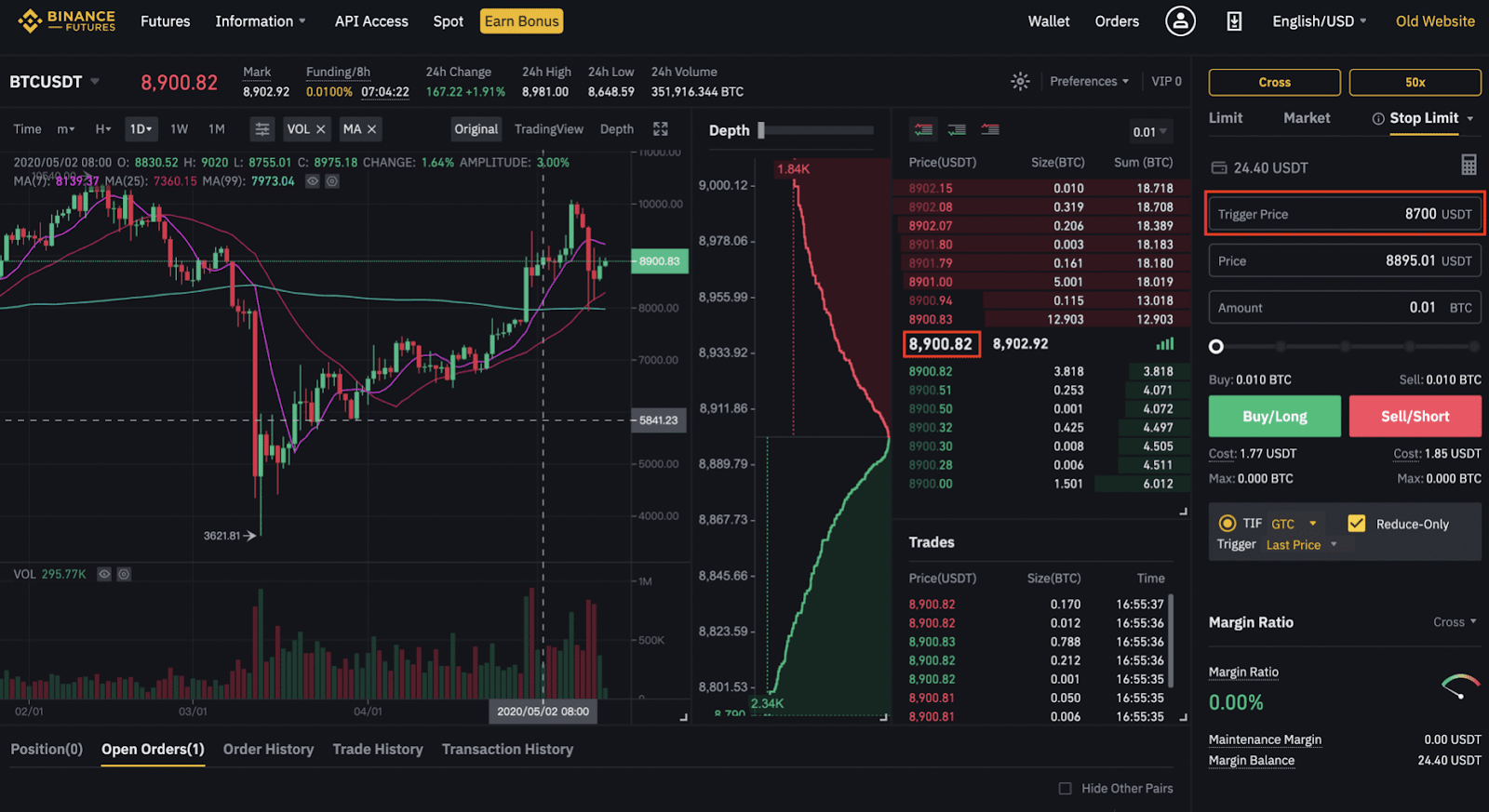
- Set stop-loss thresholds on token prices: Implement automated sell orders on DEXs like Uniswap amid Ethereum volatility (currently $1,957.93).
Consider IPwe's SIAM platform: tokenizing 25 million patents creates a vast, searchable marketplace. Dynamic NFTs evolve with patent status, from grant to expiry, providing real-time value signals. Yet, precision demands vigilance; a 24-hour ETH low of $1,910.88 reminds us transaction costs can pinch small positions during dips.
Tokeny's insights on NFT fractionalization highlight liquidity gains for co-ownership, vital for patents languishing in obscurity. Coinmetro extends this to market implications, where shared ownership fosters secondary trading, amplifying volume. Oracle Blogs quantifies the effect: fractional access propels marketplace velocity, benefiting all participants.
Charting the Path Forward for IP NFTs Blockchain
Regulatory clarity will define traction. As jurisdictions like the EU refine MiCA frameworks, compliant IP NFTs could standardize. Porter Hedges LLP foresees NFTs revolutionizing patent management, with fractions unlocking capital for R and amp;D-starved inventors. IP CloseUp's coverage of fractional ownership patents minted as NFTs signals self-referential innovation.

Bbosolicitors' caution resonates: distinguish revenue shares from title deeds. Platforms addressing this via SPVs or DAOs offer safer entry. My conservative lens favors smoothed metrics over hype; with ETH's 24-hour high at $1,984.51, network reliability supports scaling, but only after base security.
XiD Technologies' royalties model proves viable, blending passive income with innovation exposure. American University's vision of blockchain-stored patents democratizes verification, curbing disputes. Meegle's fractional playbook stresses tradable shares' appeal, yet pairs it with risk checklists.
| Platform | Key Feature | Risk Mitigation |
|---|---|---|
| Fractional IP Rights | Fractional NFT marketplace | Legal wrappers and amp; audits ✅ |
| IPwe SIAM | 25M patents tokenized | Dynamic NFT updates ✅ |
| XiD Tech | Royalties-linked fractions | Proven facial rec patents ✅ |
Ultimately, fractional ownership patents via IP NFTs beckon as a measured bet on human ingenuity. Ethereum's poise at $1,957.93 amid minor fluctuations affirms the infrastructure's maturity. Approach with data-driven caution: validate, diversify, protect the downside. In volatile markets, this secures enduring gains from tomorrow's breakthroughs.




No comments yet. Be the first to share your thoughts!