
Define the fractional IP structure
Before drafting any agreements, you must distinguish between fractional ownership and fractional licensing. These two structures serve different legal and commercial goals, and confusing them can invalidate your rights or create unmanageable liabilities.
Fractional ownership treats intellectual property like real estate or equity. Multiple parties hold a percentage of the asset itself. This structure is common in film production or patent pools where co-owners share in the asset’s value, royalties, and decision-making power. Each owner typically has the right to license the IP independently unless the agreement states otherwise, which can lead to market fragmentation.
Fractional licensing, by contrast, grants specific usage rights to multiple parties without transferring ownership. You retain the title to your IP while selling slices of access—such as geographic territories, industry verticals, or time-bound periods. This approach is often preferred for software, content, or AI training data because it prevents the "tragedy of the commons" where too many owners dilute the asset’s value.
To decide which framework fits your goal, ask whether you want to sell access to your creation (licensing) or sell a piece of the creation itself (ownership). Most creators in the 2026 landscape prefer fractional licensing to maintain control while monetizing access. If you are pooling assets with partners, fractional ownership may be necessary, but it requires a robust co-ownership agreement to define voting rights and revenue splits.
Map the IP asset portfolio
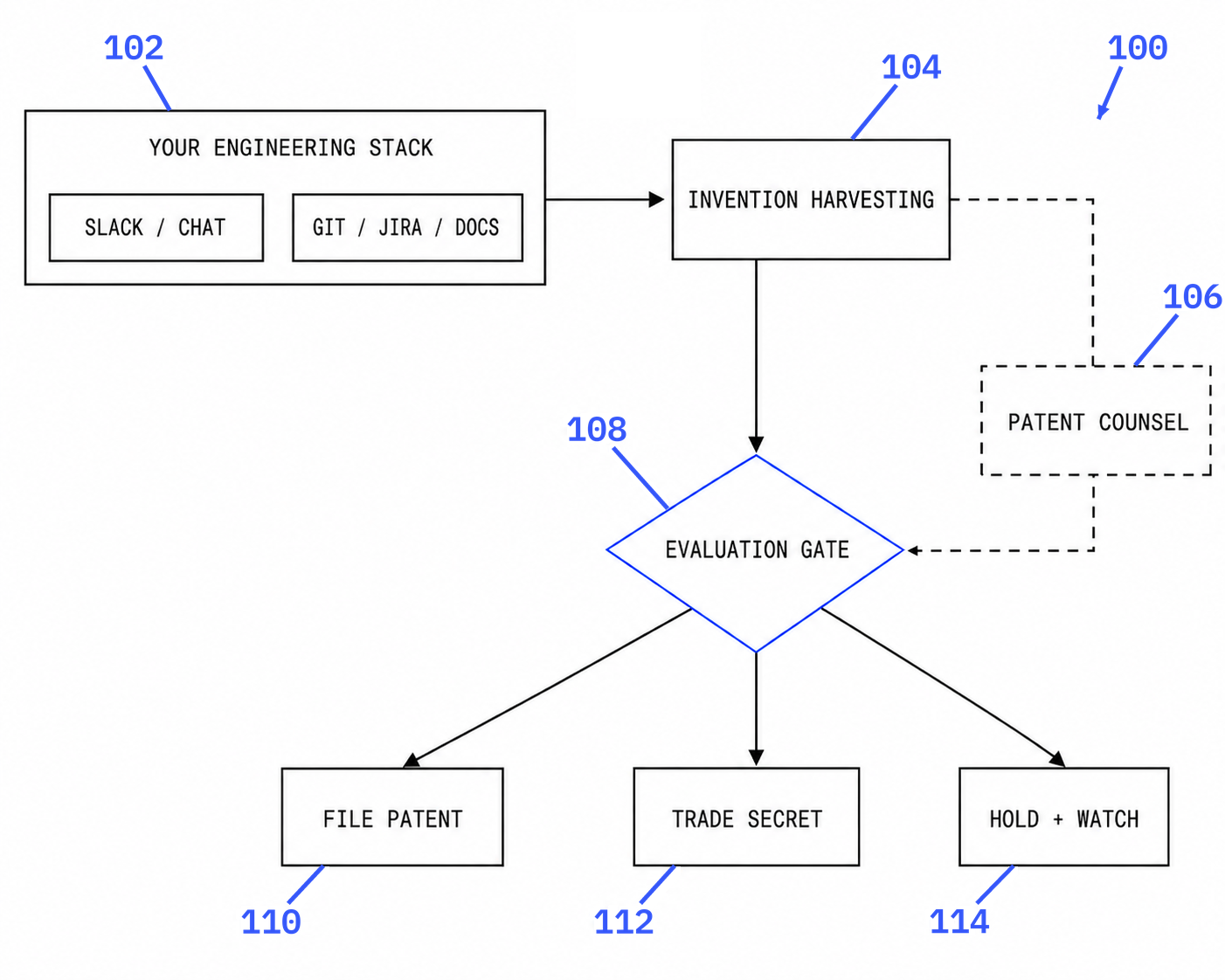
Before offering fractional rights, you must audit your existing patents, trademarks, or copyrights to identify which assets are suitable for licensing or co-ownership. This process turns abstract legal holdings into a clear inventory of monetizable value.
Start by cataloging every registration and pending application. For each asset, verify its current legal status, remaining term, and geographic coverage. An asset with lapsed maintenance fees or unclear ownership chains is a liability, not a fractional opportunity.
Next, evaluate the commercial viability of each item. Ask whether the technology or brand is actively used in the market or if it sits in a portfolio silo. Assets that support active products or have clear infringement histories are prime candidates for fractional licensing. Those with no current application may still hold value for defensive purposes or future sale.
Finally, assess the complexity of the underlying rights. Some patents cover broad platforms that are difficult to split, while others are narrow, specific improvements that are easier to fractionate. Use this audit to prioritize assets that offer clear, standalone value to potential licensees.
-
Verify registration status and maintenance fee payments
-
Map geographic coverage for each patent or trademark
-
Identify active commercial use versus dormant holdings
-
Review chain of title for any joint ownership complexities
Draft the licensing agreement terms
Fractional IP Rights works best when the purchase path is explicit. Verify the source, compare the offer against real alternatives, check the total cost, and confirm what happens after payment before you decide. After each comparison, write down the one risk that would change your mind. If the seller, condition, support, warranty, shipping, or upkeep still feels uncertain, resolve that question before moving to checkout.
-
Verify the sellerCheck reputation, included details, delivery terms, and return policy before treating the listing as credible.
-
Compare total costAdd shipping, accessories, maintenance, warranty, and likely replacement costs to the listed price.
-
Confirm fitMatch the option to the real use case before paying for features that will not matter.
Execute the transfer and registration
Fractional IP Rights works best as a clear sequence: define the constraint, compare the realistic options, test the tradeoff, and choose the path with the fewest hidden costs. That order keeps the advice usable instead of decorative. After each step, pause long enough to check whether the recommendation still fits the reader's actual situation. If it depends on perfect timing, unusual access, or a best-case budget, include a simpler fallback.

Manage ongoing compliance and royalties
Once the licensing agreement is signed, the focus shifts from negotiation to administration. Your primary responsibility is ensuring that the licensee accurately tracks and reports sales related to your fractional IP rights. Without rigorous oversight, revenue leakage is common, especially in complex licensing structures where multiple revenue streams intersect.
Track royalty reporting and payments
Require quarterly royalty statements that break down gross sales, allowable deductions, and net royalties owed. Cross-reference these statements against your own sales data if you have access to the licensee’s distribution channels. If the licensee uses third-party platforms, request direct access to sales dashboards to verify reported figures independently.
Exercise audit rights
Include explicit audit clauses in your contract that allow you to inspect the licensee’s books and records. This right should be exercisable with reasonable notice, typically 30 days, and at your expense unless an underpayment of more than 5% is discovered, in which case the licensee covers the audit cost. Audit rights are your primary defense against "royalty stripping," where licensees artificially inflate deductions to reduce payments.
Warning: Never rely solely on self-reported royalty statements. Independent verification through periodic audits is essential to protect your fractional IP investment.
Handle disputes and compliance breaches
Define clear escalation paths for disputes in the agreement. Start with good-faith negotiation, then move to mediation, and finally binding arbitration or litigation if necessary. Specify the governing law and jurisdiction to avoid costly venue battles. Promptly address any compliance breaches, such as late payments or unauthorized sublicensing, to prevent the erosion of your rights over time.
No comments yet. Be the first to share your thoughts!