
Define fractional IP rights scope
Fractional IP Rights works best as a clear sequence: define the constraint, compare the realistic options, test the tradeoff, and choose the path with the fewest hidden costs. That order keeps the advice usable instead of decorative. After each step, pause long enough to check whether the recommendation still fits the reader's actual situation. If it depends on perfect timing, unusual access, or a best-case budget, include a simpler fallback.
The simplest way to use this section is to write down the real constraint first, compare each option against it, and choose the path that still works outside ideal conditions.
Audit Your Patent Portfolio for Fractional Licensing Candidates
The first step in fractional licensing is identifying which patents in your portfolio are underutilized or dormant. Unlike traditional licensing, which often involves transferring or licensing entire rights, fractional rights allow you to carve out specific jurisdictions, fields of use, or time periods. This approach turns idle assets into revenue streams without surrendering full control.
Step 1: Map Current Portfolio Status
Begin by compiling a complete list of all active patents. Use USPTO or WIPO databases to verify the legal status of each asset. Look for patents that are currently unlicensed, expired in key markets, or covering technologies that are no longer central to your core business but retain value in niche applications.
Step 2: Identify Licensing Opportunities
For each active patent, determine if specific rights can be licensed separately. Consider dividing rights by:
- Geographic Region: License rights in one country while retaining others.
- Field of Use: License technology for medical devices while keeping industrial applications.
- Time Period: Offer short-term licenses for emerging technologies.
Step 3: Evaluate Market Demand
Research potential licensees who might benefit from these fractional rights. Look for companies operating in adjacent markets or regions where your technology is not yet deployed. This evaluation helps prioritize which patents offer the highest return on investment for fractional licensing.
Step 4: Prepare Documentation
Once you identify promising candidates, prepare the necessary documentation. This includes current patent certificates, maintenance fee records, and any existing licensing agreements that might restrict fractional rights. Clear documentation ensures a smooth negotiation process with potential licensees.
-
Verify patent status in USPTO/WIPO databases
-
Identify unlicensed or dormant patents
-
Determine separable rights (geography, field, time)
-
Research potential fractional licensees
-
Prepare patent certificates and maintenance records
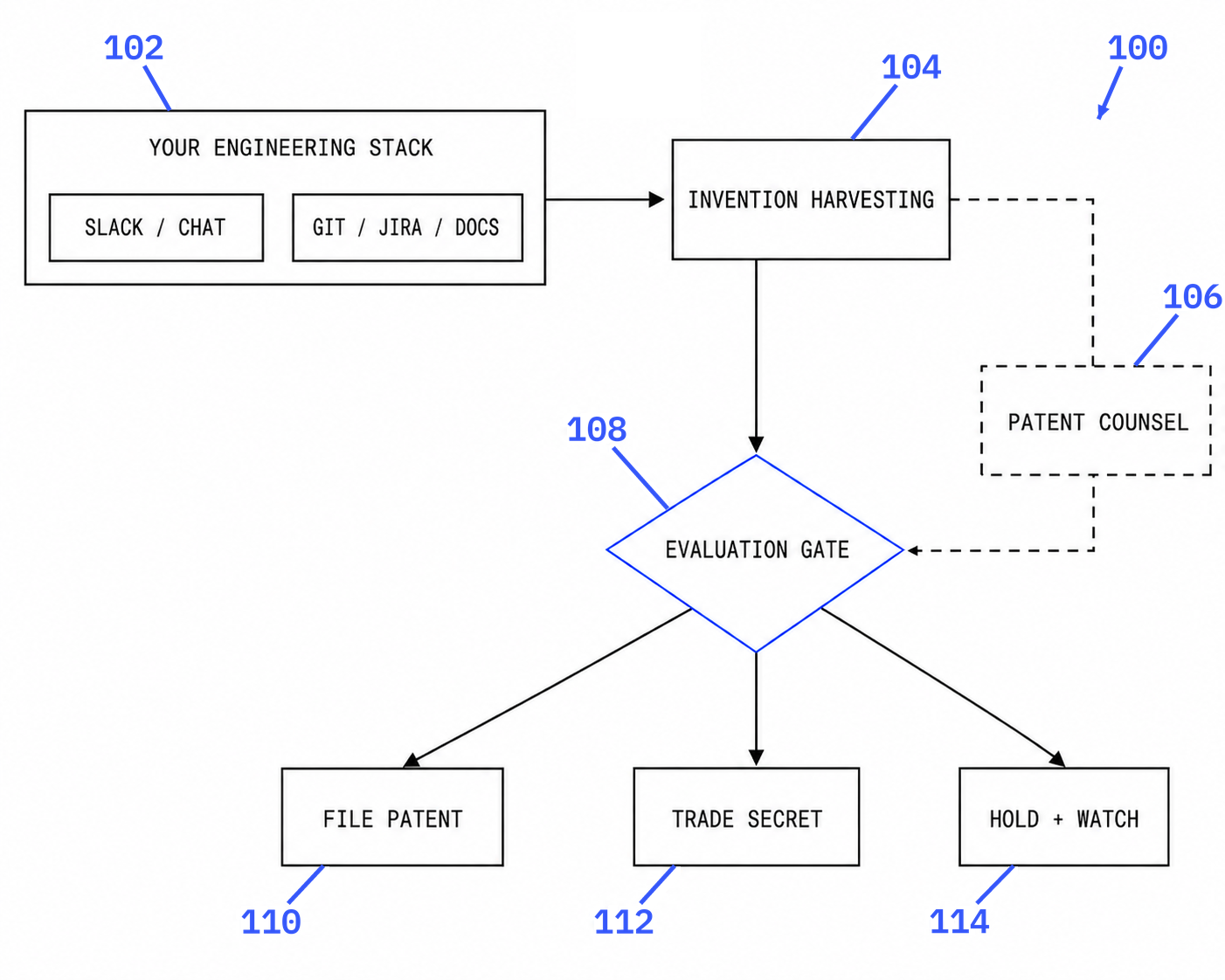
Fractional licensing requires precise identification of separable rights. By systematically auditing your portfolio, you can unlock value from assets that might otherwise remain idle. This process ensures that each patent is evaluated for its potential to generate revenue through targeted, partial licensing agreements.
Structure the licensing agreement
Defining the exact scope of a fractional IP license requires precision. Unlike an exclusive transfer, a fractional arrangement slices rights along specific dimensions: field of use, geography, or time. This section outlines the linear workflow for drafting these boundaries to prevent overreach and ensure enforceability.
Specify the exact industry verticals or product categories where the licensee may operate. If you hold a patent for a battery technology, you might license it for automotive use while retaining rights for consumer electronics. Avoid broad terms like "technology sector"; instead, list permitted applications explicitly. This prevents the licensee from expanding into non-licensed verticals under vague interpretations.
Map the territorial limits of the license. Fractional rights often involve cross-border complexities, where different jurisdictions have varying enforcement standards. Clearly state the countries or regions where exploitation is permitted. If you are licensing only for North America, explicitly exclude Europe and Asia to maintain control over those markets for separate deals.
Determine the duration of the fractional rights. Is this a one-year pilot, a five-year term, or perpetual for a specific field? Include clauses for renewal or termination based on performance milestones. Time-bound licenses allow you to re-evaluate the partnership and potentially grant additional slices of rights to other partners as the market evolves.
Clarify whether the license is exclusive, sole, or non-exclusive within the defined fraction. An exclusive license means even you cannot use the IP in that specific field or region. A sole license allows you and one other licensee to operate. Non-exclusive allows multiple licensees. This decision directly impacts the royalty structure and the value of the fractional slice.
Include provisions for regular reporting on sales, usage, and royalty payments. Fractional licenses require tighter monitoring than full transfers because multiple parties may hold rights to the same IP. Specify the frequency of reports and your right to conduct independent audits to verify compliance with the defined fractions.
By structuring these elements clearly, you create a defensible framework that protects your core IP while maximizing revenue through targeted licensing.
Valuation and royalty modeling
The easiest mistake with Fractional IP Rights is comparing options on the most visible detail while ignoring the day-to-day constraint. A choice can look strong on paper and still fail because it is too hard to maintain, too expensive to repeat, or awkward in the actual setting. Use the same checklist for every option: fit, cost, durability, timing, upkeep, and fallback plan. That keeps the comparison practical instead of drifting into preference alone.
| Factor | What to check | Why it matters |
|---|---|---|
| Fit | Match the option to the primary use case. | A good deal still fails if it does not fit the job. |
| Condition | Verify age, wear, and service history. | Hidden condition issues erase upfront savings. |
| Cost | Compare purchase price with likely upkeep. | The cheapest option is not always the lowest-cost option. |
Execute and monitor compliance
Fractional IP Rights works best as a clear sequence: define the constraint, compare the realistic options, test the tradeoff, and choose the path with the fewest hidden costs. That order keeps the advice usable instead of decorative. After each step, pause long enough to check whether the recommendation still fits the reader's actual situation. If it depends on perfect timing, unusual access, or a best-case budget, include a simpler fallback.
The simplest way to use this section is to write down the real constraint first, compare each option against it, and choose the path that still works outside ideal conditions.
No comments yet. Be the first to share your thoughts!