
Defining fractional IP rights in AI
Intellectual property frameworks have historically operated on an all-or-nothing basis. Under traditional models, ownership of a creative work or technical invention is unitary. A copyright holder controls the entire composition, and a patentee holds exclusive rights to the invention as a whole. This binary structure aligns with physical assets but creates friction when applied to the granular nature of machine learning datasets.
Fractional IP rights represent a departure from this unitary model. In the context of generative AI, fractional rights refer to the licensing or ownership of specific data subsets rather than the entire corpus. Instead of acquiring full ownership of a training dataset, an AI developer may secure rights to a particular segment—such as a specific genre of text, a defined image style, or a limited temporal window of audio.
This distinction is critical for data governance. Fractional rights do not imply partial ownership of the whole dataset in the way a timeshare implies partial ownership of a vacation home. Rather, they establish licensed usage rights for specific data segments. This allows for more precise attribution and compensation models, where value is tied to the specific contribution of a data slice to the model's output.
The implications for legal compliance are significant. As regulatory bodies examine the provenance of training data, the ability to trace fractional rights provides a clearer audit trail than blanket copyright claims. This model supports the complex web of permissions required for large-scale AI development, where data is sourced from millions of disparate creators. By isolating rights to specific subsets, organizations can manage the intersection of copyright law and technological innovation with greater precision.
The Mechanics of Data Licensing
Fractional intellectual property rights in generative AI rely on a structural separation between data ownership and usage permissions. Unlike traditional exclusive licensing, where a single entity controls all rights, fractional models distribute specific usage licenses across multiple parties. This structure allows data providers to grant training rights for model development without transferring full ownership of the underlying datasets. The legal framework treats these rights as distinct assets, enabling granular control over how data is ingested, processed, and utilized by artificial intelligence systems.
The core distinction lies in the scope of the license granted. Exclusive licensing typically restricts the data owner from licensing the same material to competitors, creating a monopoly on the data’s utility. In contrast, fractional non-exclusive licensing permits the owner to grant identical training rights to multiple AI developers simultaneously. This approach maximizes revenue potential for data providers while introducing competitive pressure among model builders to secure high-quality data sources. The legal implications involve complex contract negotiations that define the precise boundaries of each license.
Licensing Model Comparison
The following table contrasts traditional exclusive licensing with fractional non-exclusive licensing models commonly applied to AI data providers.
| Feature | Exclusive Licensing | Fractional Non-Exclusive |
|---|---|---|
| Data Ownership | Remains with provider | Remains with provider |
| Usage Scope | Single licensee only | Multiple licensees |
| Revenue Model | High upfront fee | Volume-based payments |
| Market Control | Monopolistic control | Competitive market |
| Legal Complexity | Simpler termination clauses | Complex audit rights |
Legal Considerations
Drafting these agreements requires precise language to define the scope of training rights. Key considerations include data attribution, liability for model outputs, and the right to revoke licenses if terms are violated. Courts are increasingly scrutinizing these contracts to ensure they do not violate antitrust laws or stifle innovation. The separation of ownership from usage permissions creates a flexible legal environment but demands rigorous compliance monitoring. Data providers must establish clear audit trails to verify that licensees adhere to the agreed-upon usage parameters.
The evolution of these legal structures reflects the growing value of data as a strategic asset. As generative AI continues to expand, the demand for clear, enforceable fractional rights will likely increase. Organizations must manage these complexities carefully to protect their intellectual property while participating in the emerging data economy. The legal landscape remains dynamic, with new precedents shaping how fractional rights are interpreted and enforced across jurisdictions.
Copyright implications for training data
The legal landscape surrounding generative AI training data is defined by active litigation and fragmented precedents. Courts are currently evaluating whether ingesting copyrighted works to train large language models constitutes fair use. This uncertainty creates significant liability risks for developers and enterprises deploying AI systems.
Fractional intellectual property rights offer a structured mechanism to manage these ambiguities. By securing defined, limited rights to specific datasets, organizations can establish clear ownership boundaries. This approach reduces the risk of infringement claims by ensuring that the source material used for training is properly licensed or authorized.
Rather than relying on broad, unverified assumptions of fair use, fractional rights provide a verifiable chain of title. This clarity is essential for compliance with evolving copyright regulations in major jurisdictions, including the United States and the European Union. It allows companies to demonstrate due diligence in their data sourcing practices.
Implementing fractional IP strategies helps mitigate the high-stakes nature of AI development. It transforms potential legal vulnerabilities into manageable, auditable assets. As regulatory frameworks solidify, having precise rights to training data will likely become a standard requirement for responsible AI deployment.
Monetizing Data Through Fractional Licensing
Fractional intellectual property models allow data owners to license specific, granular slices of their datasets to multiple artificial intelligence developers simultaneously. This approach transforms proprietary data into a recurring revenue stream without requiring the owner to relinquish total control or exclusive rights. By partitioning data assets, organizations can maximize the return on their IP investment while maintaining strategic oversight.
The mechanism relies on partitioning data into distinct, non-overlapping subsets based on utility, domain, or technical specification. Each subset can be licensed to different AI training programs, ensuring that the same underlying asset generates value across diverse applications. This structure mirrors traditional fractional ownership in real estate, where multiple parties hold shares in a single asset, but applies it to intangible digital property.
Structuring Secure Licensing Agreements
Data owners must establish clear boundaries for each licensed slice to prevent unauthorized cross-contamination or scope creep. The following considerations outline the essential components for secure fractional licensing:
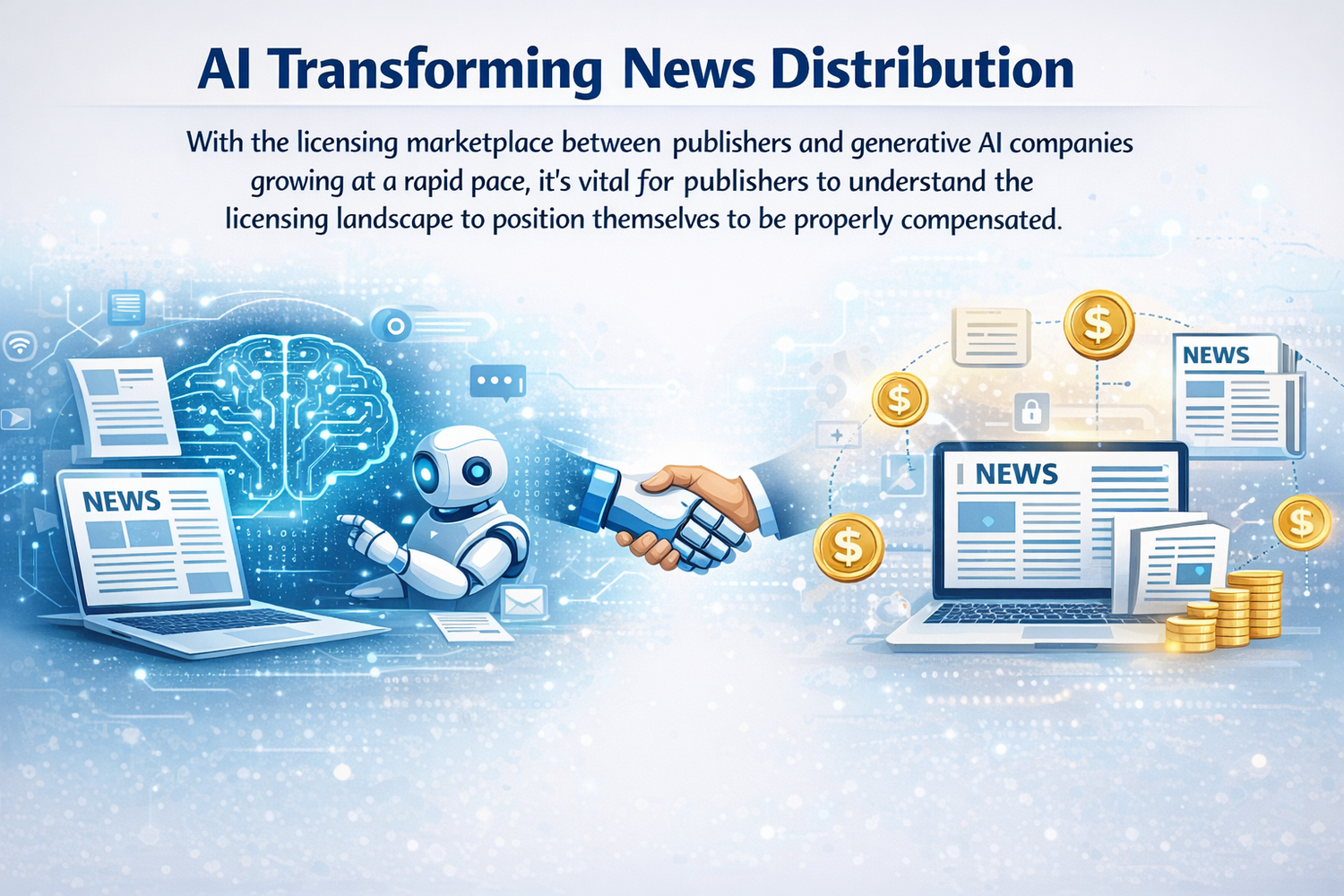
Identify specific data subsets that can be isolated for separate licensing. Granularity ensures that each license covers a distinct utility, preventing overlap and protecting the core proprietary value.

Define precise technical and commercial restrictions for each data slice. This includes limiting the duration, geographic scope, and specific AI model types permitted to use the data.
Use encryption and access controls to ensure that licensees can only interact with their specific data slice. This prevents unauthorized aggregation or inference of other licensed portions.
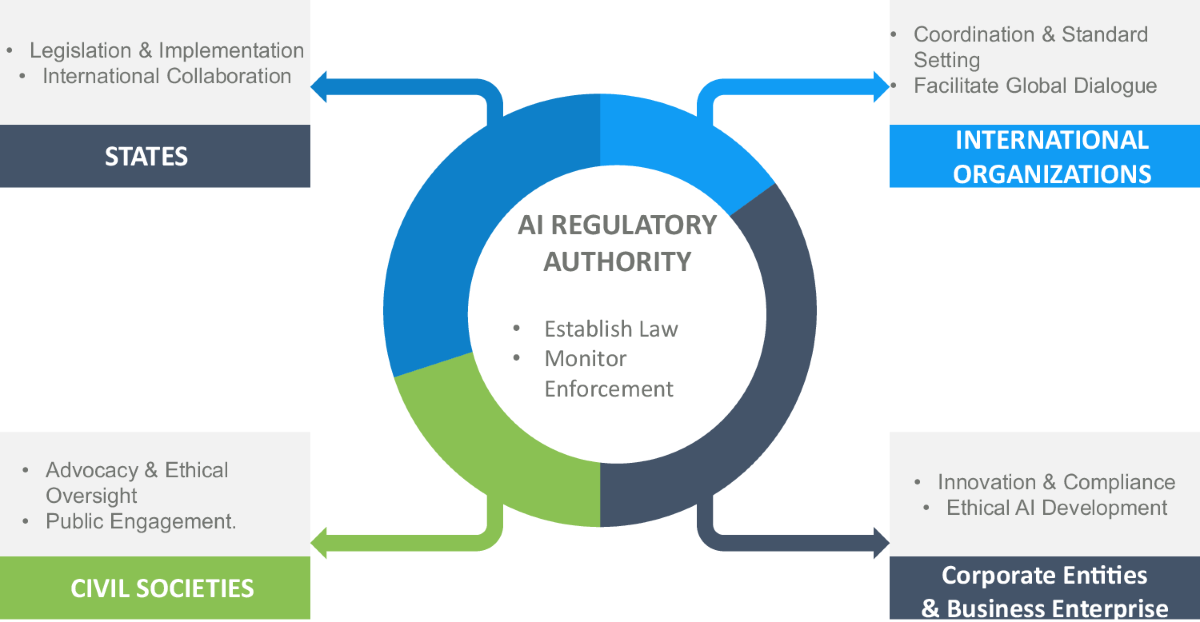
Regularly audit licensee usage patterns to detect deviations from the agreed scope. Continuous monitoring protects the integrity of the fractional IP portfolio.
This structured approach allows organizations to capture value from their data assets while mitigating the risks associated with broad, unrestricted licensing. By treating data as a partitionable asset, companies can manage the complexities of the AI licensing landscape with greater precision and control.
Legal risks and compliance checks
Fractional IP rights introduce complex jurisdictional variables that general counsel must manage carefully. Because intellectual property laws vary significantly across borders, a licensing agreement valid in one jurisdiction may fail to protect data assets in another. This fragmentation creates enforcement gaps, particularly when generative AI models train on datasets sourced from multiple legal regimes. Organizations must map the geographic scope of their data licenses against the training infrastructure’s physical and digital footprint.
Explicit consent remains the cornerstone of compliant data licensing in this space. Unlike traditional copyright transfers, fractional rights often require granular permissions for specific uses, such as machine learning ingestion or derivative model creation. Ambiguity in consent language can lead to costly litigation or forced model deprecation. Legal frameworks increasingly demand clear, opt-in mechanisms that distinguish between commercial exploitation and internal research use.
The implications of non-compliance extend beyond financial penalties. Regulatory bodies in the European Union and other jurisdictions are tightening scrutiny on algorithmic transparency and data provenance. Failure to document fractional rights accurately can result in reputational damage and loss of trust among enterprise clients. Proactive compliance audits should verify that every data point used in model training carries the appropriate fractional license.
No comments yet. Be the first to share your thoughts!