

Fractional Ownership of Tokenized Patents: How Blockchain Enables Small Investors to Buy IP Shares

Patents represent some of the most valuable assets in modern innovation, yet their ownership has historically locked out all but the wealthiest players. Blockchain changes this equation through fractional ownership of tokenized patents, slicing high-value IP into tradable digital shares. Small investors can now claim stakes in cutting-edge technologies, from robotics to biotech, without needing millions upfront. This shift isn’t mere speculation; it’s a measured evolution driven by smart contracts and immutable ledgers, fostering genuine portfolio diversification.

The promise lies in accessibility. Traditional patent acquisition demands deep pockets for legal fees, maintenance, and enforcement. Tokenization wraps these rights into non-fungible tokens (NFTs) or fungible shares on platforms like Ethereum or specialized chains. Each token denotes a precise ownership fraction, backed by the underlying patent. Smart contracts then handle royalties automatically, distributing revenues proportionally whenever the patent licenses or generates income. No middlemen, no disputes over splits, just code executing as programmed.
“Fractional ownership of patents via NFTs isn’t futuristic, it’s already happening. ” – bbosolicitors, February 2026
Tokenization Mechanics: From Patent to On-Chain Shares
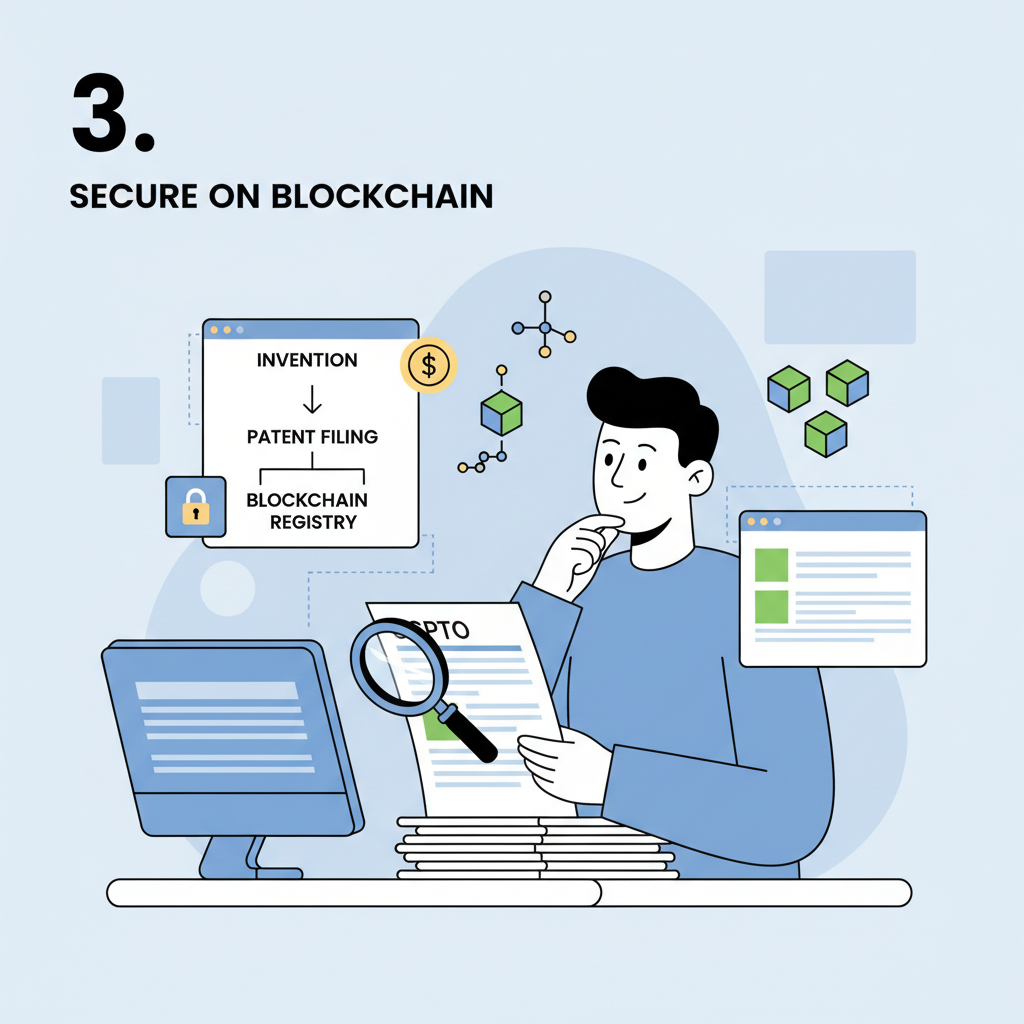
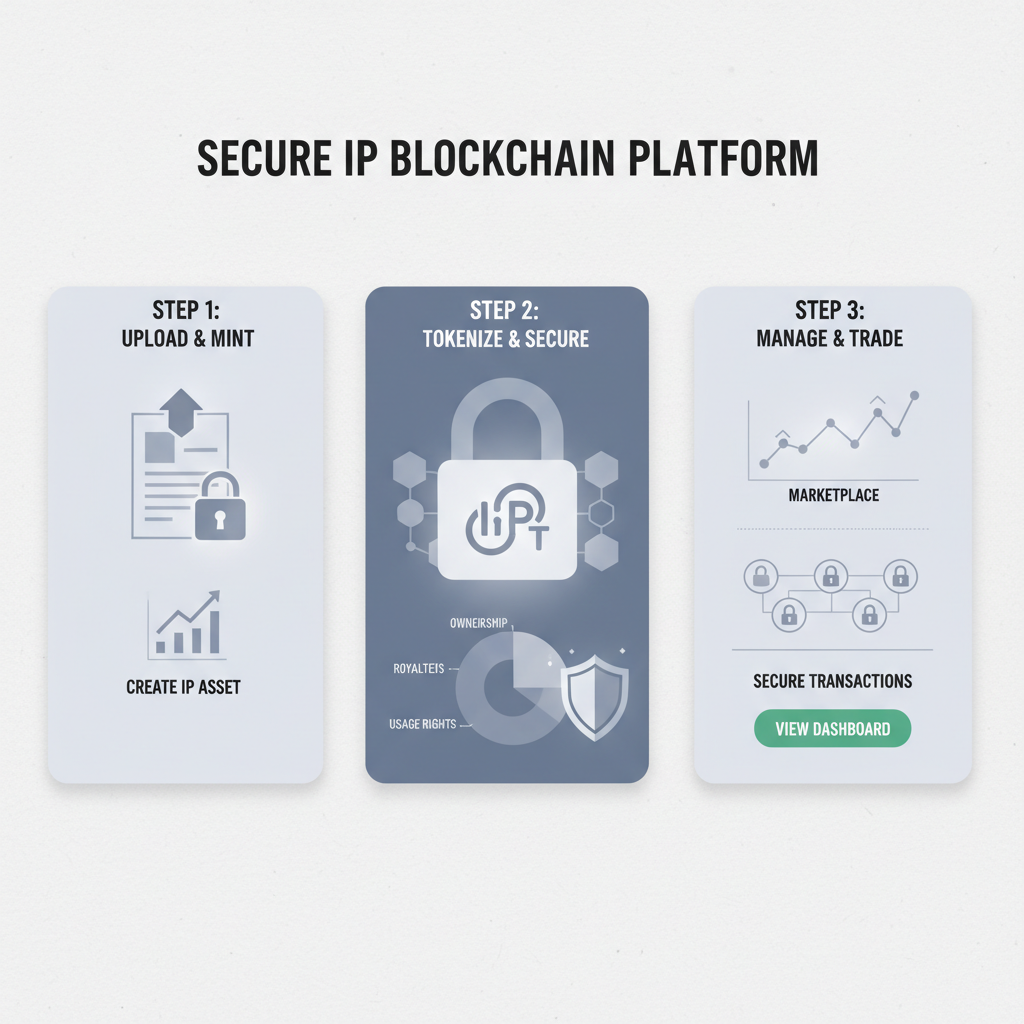
Converting a patent into tokenized intellectual property shares begins with verification. Legal experts confirm the patent’s validity and scope, then mint an NFT representing the full asset on the blockchain. This master NFT fractionalizes into ERC-20 or ERC-1155 tokens, each a sliver of ownership. Investors buy these via decentralized exchanges, with transactions recorded transparently. Consider a robotics patent earning $500,000 annually in licensing fees: a 0.1% share nets $500, paid out via automated contract triggers.
This model draws from proven real-world asset (RWA) tokenization. Much like real estate, where properties divide into tokens for broad participation, patents unlock similar liquidity. Platforms streamline fractional IP rights trading, ensuring compliance with securities laws through KYC and audited smart contracts. As a CFA with years dissecting emerging assets, I view this as conservative value investing: diligence on patent strength and market potential yields steady returns, sidestepping crypto volatility.
Democratizing Access: Small Investors Enter the IP Arena
Entry barriers crumble under blockchain’s weight. A full patent might cost $1 million-plus; fractional shares start at $100, inviting retail participation in on-chain patent investments. Liquidity surges too, tokens trade 24/7, unlike illiquid private deals. Data from 2026 shows IP tokenization mirroring real estate’s boom, projected at $4 trillion by platforms like 4IRE. Small investors gain exposure to revenue streams once reserved for institutions, with blockchain’s audit trail mitigating fraud risks.
Take IPFT tokens: they enable IP NFTs blockchain ownership in robotics patents. Investors tap licensing from automated factories or AI systems, with smart contracts parceling royalties. This isn’t hype; it’s fundamentals, patents with broad claims and defensive moats appreciate over decades. Yet patience rules: assess expiry dates, infringement suits, and tech relevance before buying.
Market Momentum and Proven Parallels
Adoption accelerates in 2026. Brickken highlights converting patents into tokens for revenue rights, expanding investor pools. JD Supra notes NFTs’ role in patent management, spotlighting fractional opportunities. Even Google Patents outlines platforms for digital asset fractions. Real estate offers the blueprint: tokenization there has made global properties accessible to modest portfolios, much as IP does now for innovation stakes. Platforms mirror this, with transparent trading and automated payouts building trust.
For the value investor, tokenized patents demand scrutiny of underlying IP quality over token price swings. Strong portfolios blend these with traditional assets, capturing long-term upside from sectors like clean energy or medtech patents. As markets mature, expect refined regulations bolstering stability, rewarding those who prioritize due diligence.
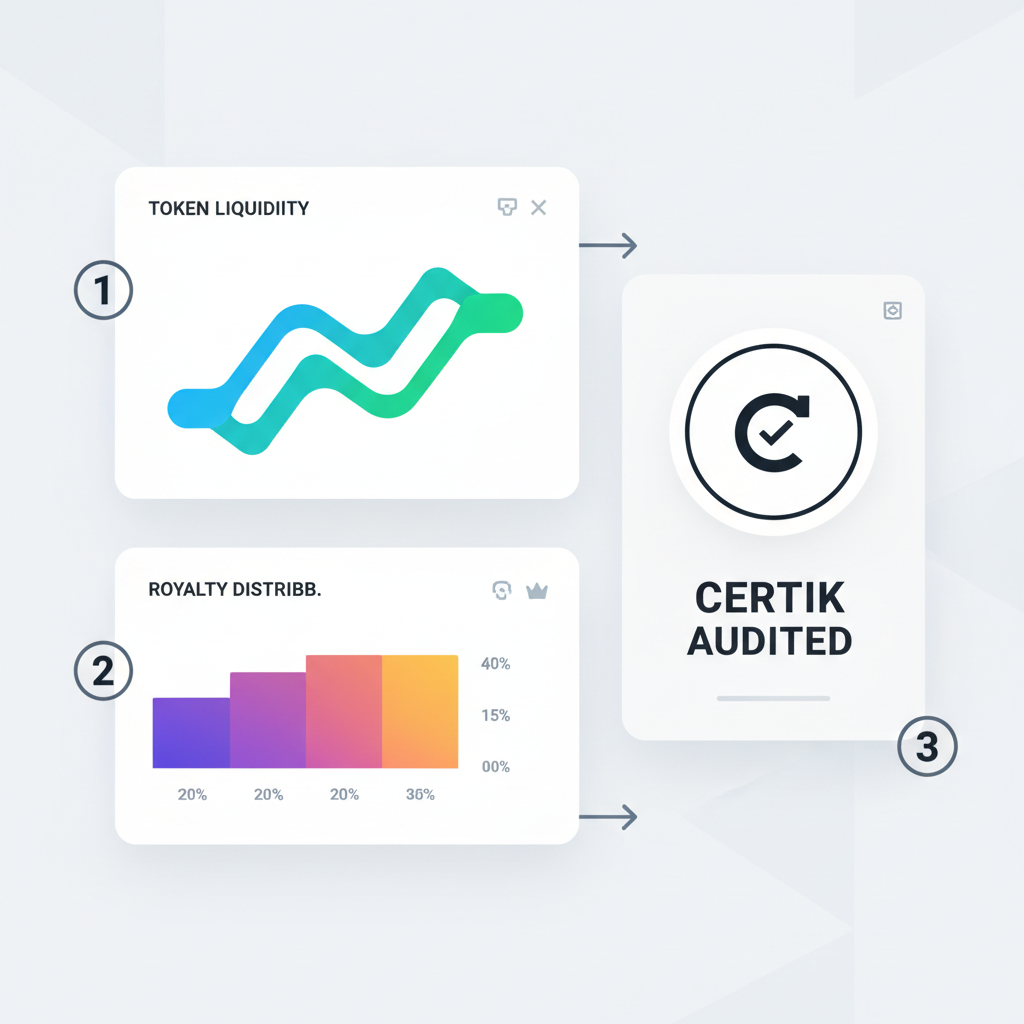
Regulatory landscapes add another layer of caution. While blockchain’s pseudonymity appeals, tokenized patents often classify as securities, triggering SEC oversight or equivalents abroad. Platforms must embed KYC protocols and reserve audits, yet enforcement varies. Investors should favor those with legal wrappers, like SPVs linking tokens to patent-holding entities. Overlooking jurisdiction risks could erode value faster than market dips.
Navigating Risks: Essential Due Diligence for IP Token Investments
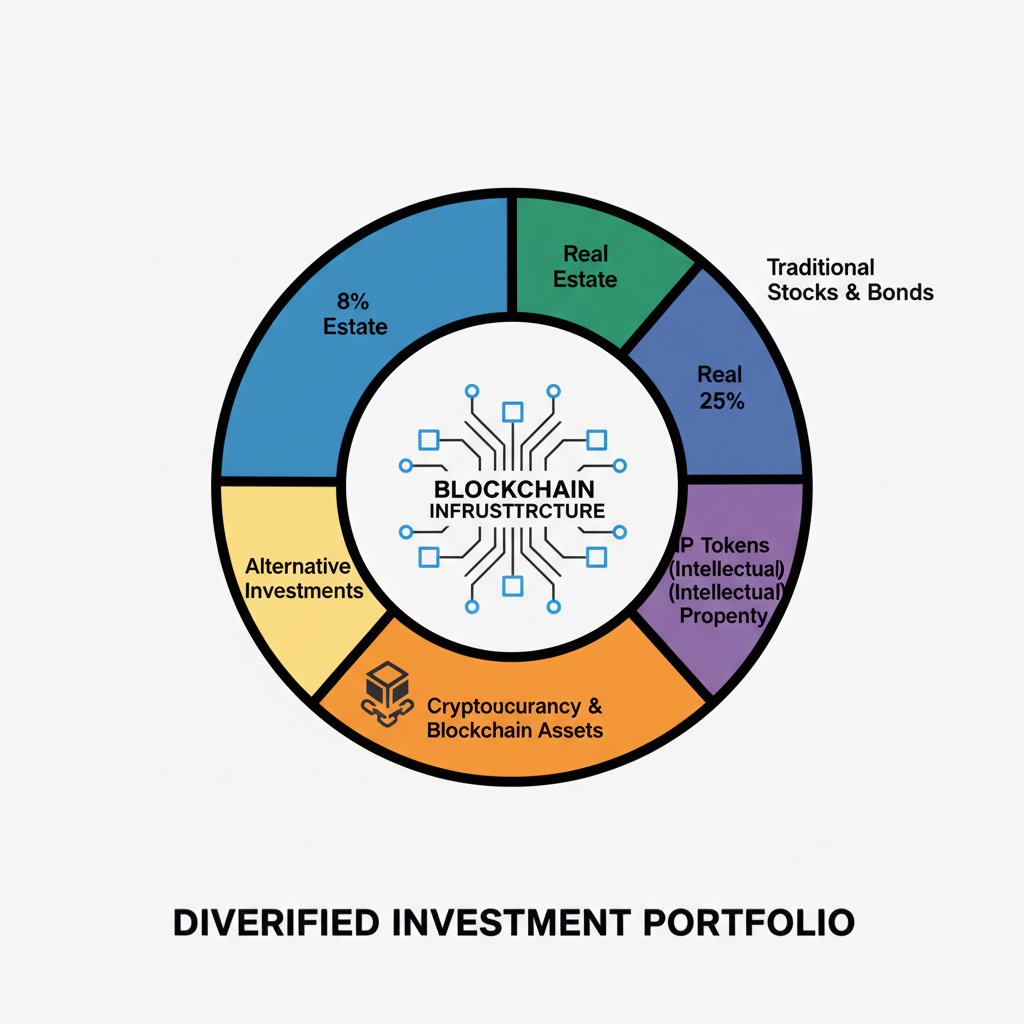
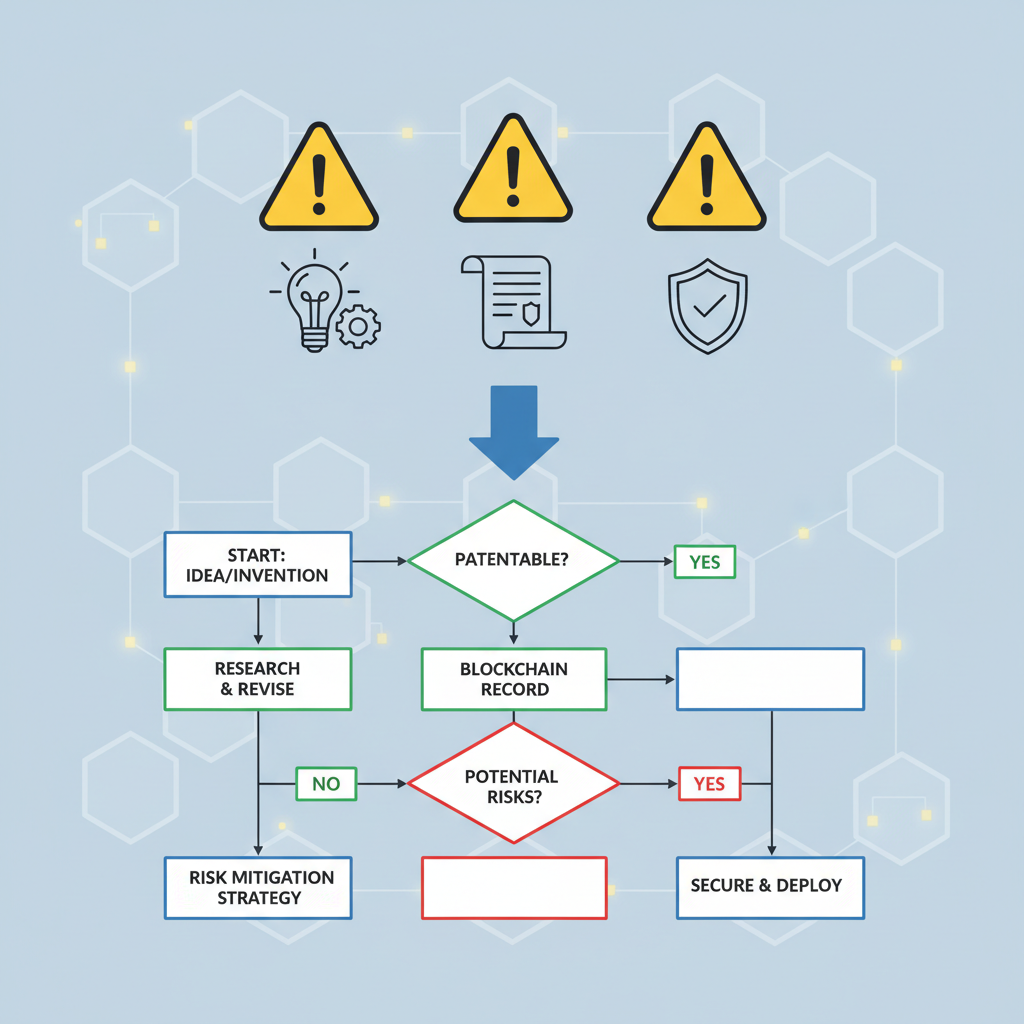
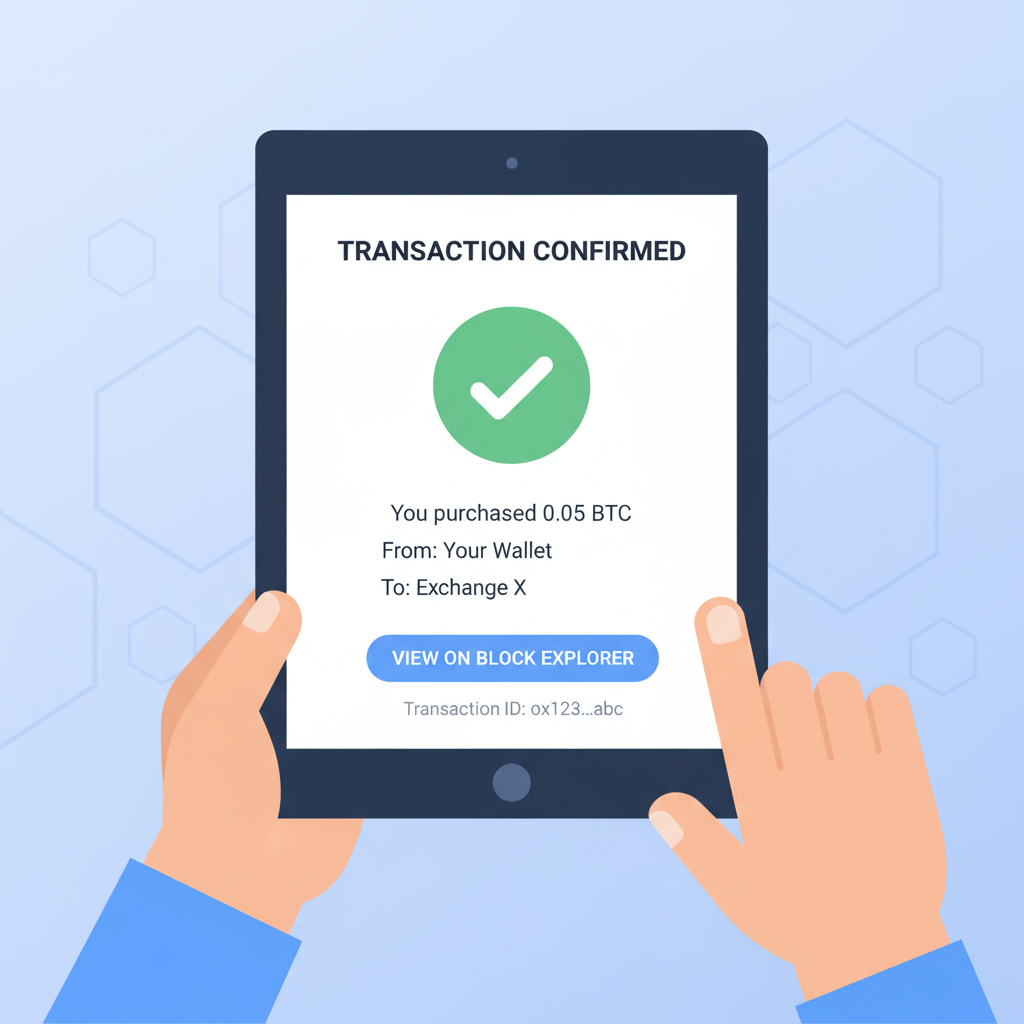
Real-world parallels reinforce viability. Tokenized real estate has scaled to billions, proving fractional models work for illiquid assets. Fractional ownership and tokenization make global properties reachable for everyday investors, mirroring IP’s trajectory. Platforms like those handling on-chain patent investments adopt similar playbooks: geofenced compliance, revenue oracles for payouts, and secondary markets for exits. Early adopters in music royalties via NFTs report 8-12% yields, hinting at patent potentials in high-margin tech.
Turn IP into digital assets: Convert patents into tokens representing usage or revenue rights, reaching more investors. – Brickken
Small investors thrive here by focusing on undervalued niches. Biotech patents with pending FDA nods or AI algorithms in enterprise software offer defensive growth. Platforms facilitate fractional IP rights trading, with DEXs ensuring price discovery. Yet discipline prevails: set stop-losses on tokens, track patent renewals quarterly, and rebalance annually. This measured approach unlocks compounding from licensing streams, often outperforming bonds in inflationary eras.
Getting Started: Practical Steps for Portfolio Entry
Platforms abound, from generalists like OpenSea fractional vaults to specialists in tokenized intellectual property shares. Onboard with a wallet like MetaMask, fund via stablecoins, and browse audited drops. IPFT exemplifies: robotics patents tokenized for broad access, royalties flowing monthly. Simulate returns with spreadsheets modeling fee generation against expiry curves. Institutions dip in via custodians, but retail leads innovation, proving blockchain’s democratizing force.
Forward momentum builds as oracles like Chainlink pipe off-chain revenue data on-chain, minimizing disputes. Legal scholars debate NFT ownership nuances, yet precedents solidify property rights. By 2030, IP tokenization could eclipse $100 billion, per extrapolated RWA growth. Conservative allocators position now, blending these with blue-chips for resilience. Patience unearths gems amid noise, turning abstract IP into tangible stakes. Fractional ownership redefines investing, granting small players seats at innovation’s table.