

How Fractional Ownership of Tokenized Patents Unlocks IP Investments for Retail Investors

Imagine owning a slice of the next groundbreaking invention, like the patents behind mRNA vaccines or quantum computing chips, without needing millions in capital. That’s the promise of fractional ownership of tokenized patents, a seismic shift that’s pulling high-value intellectual property investments within reach of retail investors. Once the exclusive domain of venture capital firms and institutions, patents are now being digitized on blockchain, sliced into tradable tokens, and offered to anyone with a digital wallet and a vision for long-term growth.

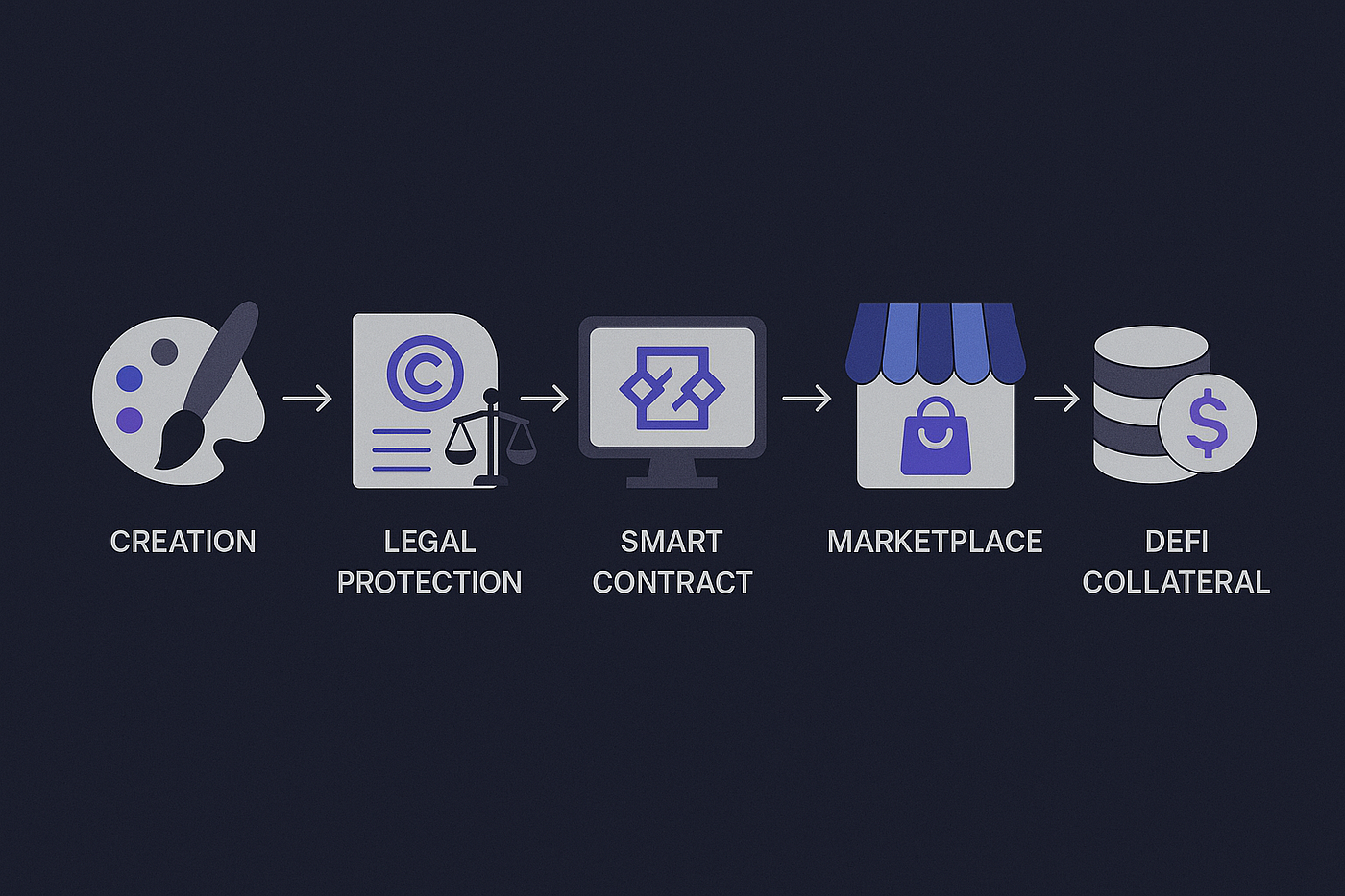
This evolution stems from the core challenge of traditional IP markets: illiquidity and high barriers to entry. Patents, despite generating billions in royalties annually, have historically locked wealth in opaque portfolios. Tokenization changes that by converting patent rights into on-chain patent ownership via NFTs or security tokens. As noted in recent analyses from RWA. io and Brickken, creators fractionalize their IP into smaller units, enabling trading without surrendering full control. Retail investors gain exposure to diversified royalty streams, turning abstract legal assets into tangible, blockchain-secured investments.
The Blockchain Mechanics Behind Tokenized Patents
At its heart, tokenized patents blockchain technology works by creating a digital twin of a patent on a distributed ledger. A startup with a promising patent files it traditionally with the USPTO, then partners with a platform to mint tokens representing fractional shares. Each token might entitle holders to a pro-rata share of future licensing fees or royalties. Smart contracts automate distributions, ensuring transparency and immutability.
Key Advantages of Fractional IP Ownership
-

Lower Entry Barriers: Fractional tokens allow retail investors to buy shares of high-value patents for as little as hundreds of dollars, compared to millions for full ownership (Source: RWA.io, Securitize).
-
Enhanced Liquidity: Tokenized patents trade on blockchain platforms like Securitize, enabling quick sales and reducing lock-up periods typical of traditional IP investments.
-
Diversified Royalty Exposure: Investors gain proportional shares of licensing fees and royalties from patent portfolios, spreading risk across multiple assets (Source: Lympid.io).
-

Blockchain-Secured Rights: Ownership is recorded immutably on blockchain, preventing disputes and ensuring transparent, tamper-proof verification of IP fractions.
-

Global Trading Access: 24/7 trading on decentralized exchanges democratizes participation for investors worldwide, bypassing geographic and institutional barriers (Source: Brickken).
For instance, platforms draw from models like RealT’s real estate tokenization, adapting them to IP. Lympid. io describes “royalty tokens” that facilitate revenue sharing, while GreyB highlights NFT protections for patents, trademarks, and copyrights. This isn’t mere speculation; it’s backed by enforceable rights, often compliant with securities regulations through issuers like Securitize. As a 20-year veteran in asset management, I’ve seen how patent strength correlates with sustained royalties – think Qualcomm’s wireless tech empire. Tokenization amplifies this for smaller players.
Democratizing Access Through Fractional IP Rights Trading
Retail investors, long sidelined by minimum investments exceeding six figures, now enter via tokens priced at hundreds or thousands of dollars. This IP NFTs investment model mirrors stock trading but with IP’s asymmetric upside. A single patent can yield royalties for 20 years; fractional holders capture that potential proportionally. Porter Hedges LLP points to NFTs enabling ‘pieces’ of patent assets for smaller investors, echoing Emurgo’s fractionalization of indivisible assets.
Consider a biotech patent portfolio tokenized by a startup. Investors buy tokens for $500 each, gaining claims on licensing deals with pharma giants. If revenues hit $10 million annually, a 1% stake nets $100,000 – distributed automatically via blockchain. COREangels and ChainUp emphasize licensing efficiency and new revenue streams, while LinkedIn insights from Garima Singh introduce Patent Token Exchanges (PTEs) for seamless fractional IPR trading. The result? Portfolio diversification beyond stocks and crypto into ‘blue-chip’ IP assets.
Overcoming Traditional IP Investment Hurdles
Historically, retail exclusion arose from evaluation complexities – assessing patent validity, market potential, and infringement risks required specialized firms. Tokenization platforms mitigate this with due diligence, often featuring expert audits akin to my CFA-driven analyses. Blockchain adds verifiability; every transaction and royalty payout is auditable on-chain.
Yet, as the 2026 context underscores, challenges persist: regulatory flux, smart contract vulnerabilities, and standardization gaps. Institutions like those using ChainUp’s NFT tools navigate these with compliance layers, paving the way for retail. By fractionalizing, creators access capital without dilution, investors gain liquidity – patents trade 24/7 on decentralized exchanges. This isn’t hype; it’s a structural upgrade, positioning IP as the sustainable growth engine in tokenized assets.
Real-World Momentum in Fractional Ownership Patents
Platforms are already proving the model. Take a biotech firm tokenizing its patent portfolio on a blockchain like Ethereum or Polygon. Investors snap up tokens via Securitize-compliant offerings, each granting on-chain patent ownership and pro-rata royalties. As revenues flow from licensing deals, smart contracts dispatch payouts globally, minus fees. This mirrors RealT’s success in real estate, where tokenized properties yield passive income, but applied to IP’s enduring value. GreyB’s NFT protections ensure patents, trademarks, and copyrights trade securely, while ChainUp equips institutions with tools for efficient licensing.
Unlock Fractional Patent Ownership: Your 5-Step Investor Guide

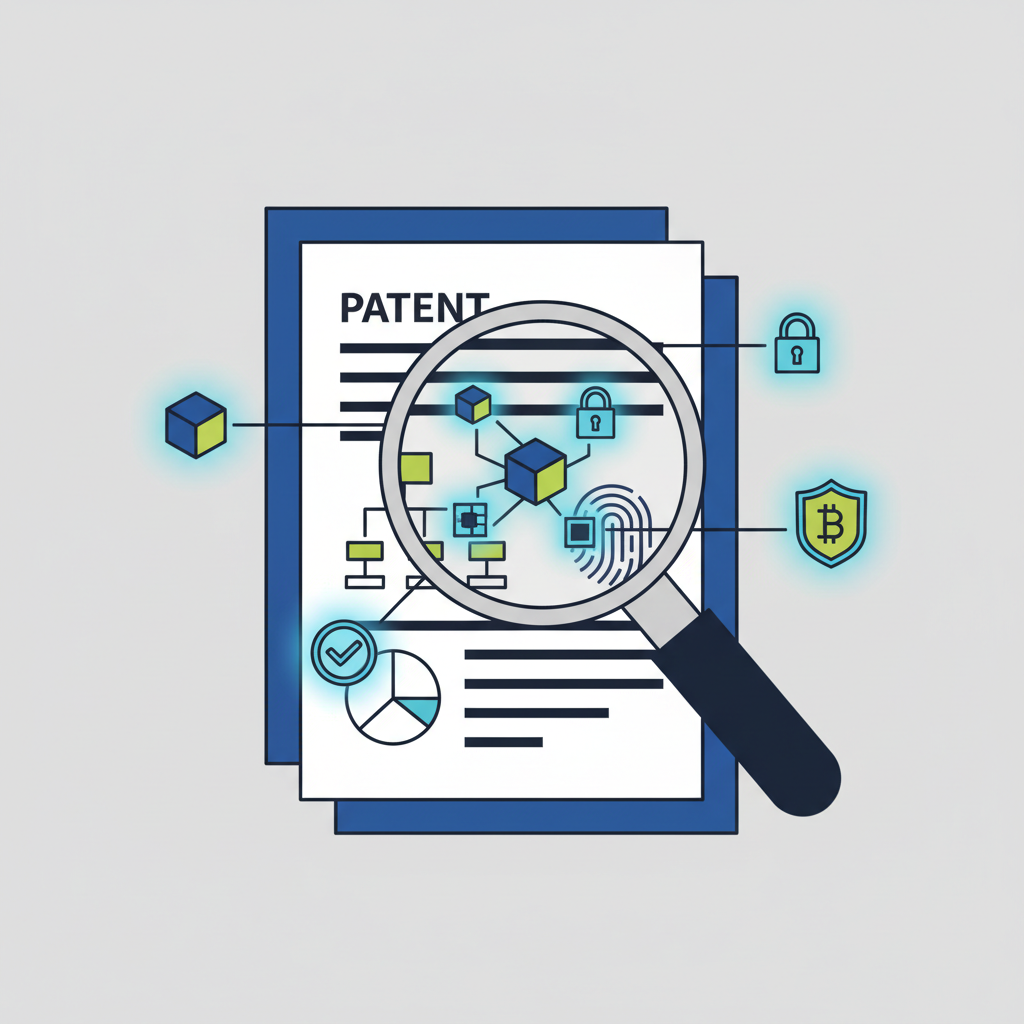
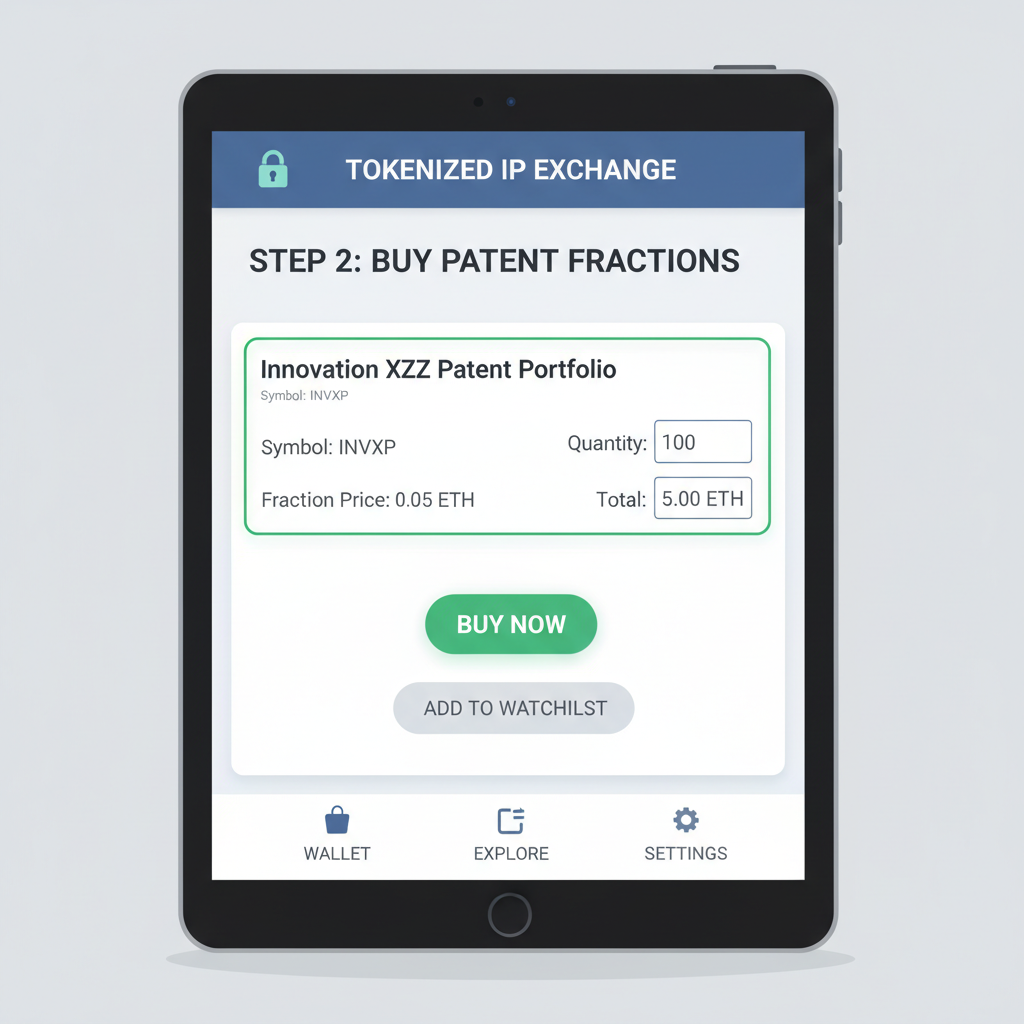
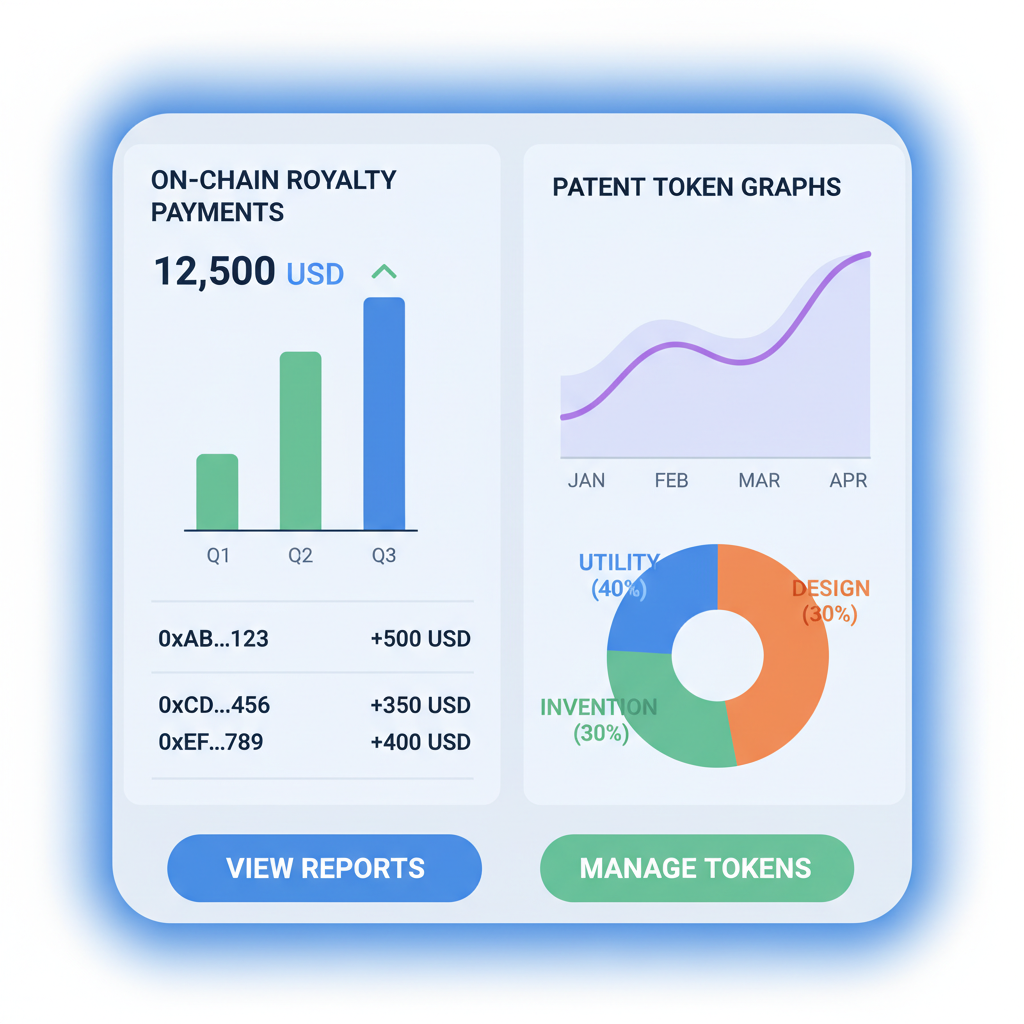

Patent Token Exchanges (PTEs), as Garima Singh outlines, fractionalize IPR into tradable units on blockchain-powered markets. Retail investors diversify into these assets, much like adding dividend aristocrats to a portfolio. From my vantage evaluating royalty streams, strong patents – those with broad claims and litigation wins – mirror blue-chip stability. Tokenization scales this access, letting a teacher in Ohio claim a sliver of quantum tech royalties.
Weighing Risks in Tokenized Patents Blockchain
No innovation skips pitfalls. Regulatory uncertainties loom, as tokenized securities straddle securities laws. Smart contract bugs could expose funds, demanding rigorous audits. Standardization lags, complicating cross-platform trades. Yet, these mirror early stock market woes, resolved through evolution. Platforms counter with KYC, insurance funds, and oracle integrations for off-chain royalty verification. Retail investors thrive by sticking to vetted offerings, much as I advise focusing on patent families with proven enforcement.
Traditional IP Investment vs. Fractional Tokenized Patents
| Aspect | Traditional IP Investment | Fractional Tokenized Patents |
|---|---|---|
| Barriers | High minimums | Low entry ($100s) |
| Liquidity | Illiquid | 24/7 trading |
| Transparency | Opaque royalties | On-chain transparency |
| Accessibility | Expert-only access | Retail-friendly |
The 2026 landscape affirms growth despite hurdles. Startups raise capital sans equity loss, investors tap liquidity in assets once frozen for decades. Fractional IP rights trading fosters this symbiosis, with RWA. io and Lympid. io spotlighting revenue-sharing royalty tokens.
Retail portfolios gain ballast from IP’s low correlation to equities or crypto. A $10,000 allocation across five tokenized patents could yield 8-12% annual royalties, based on sector averages I’ve modeled. This isn’t gambling; it’s calculated exposure to innovation pipelines.
Your Path Forward in IP NFTs Investment
Embrace this shift. Platforms like Fractional IP Rights streamline discovery, trading, and management. Evaluate via citation counts, assignee strength, and forward citations – metrics I’ve honed over decades. Tokenized patents blockchain isn’t a fad; it’s infrastructure redefining ownership. Retail investors, armed with fractions, now co-own tomorrow’s breakthroughs, harvesting royalties from mRNA to AI chips. The IP market, once walled off, stands open – step in, claim your share, and watch sustainable wealth compound.