
How to Tokenize Patents for Fractional Ownership on Blockchain Platforms

Imagine holding a groundbreaking patent that’s gathering dust in a drawer, its potential locked away by high barriers to entry and limited liquidity. Now picture transforming it into tokenized IP investments on the blockchain, where anyone can snag a slice of fractional patent ownership. That’s the magic of tokenizing patents for fractional ownership on blockchain platforms. As someone who’s built portfolios around these assets for years, I can tell you it’s not just hype; it’s a game-changer for inventors and investors alike.

Tokenizing patents means converting your intellectual property rights into digital tokens, often as IP NFTs fractional rights, secured on-chain. This opens doors to on-chain patent management, letting you fractionalize ownership so multiple backers can invest without buying the whole thing. Suddenly, your innovation isn’t just protected; it’s actively monetized through trading, licensing, and royalties distributed automatically via smart contracts.
Unlocking Liquidity and Accessibility in Patent Markets
Traditional patents struggle with illiquidity; they’re hard to sell or license without deep pockets or endless negotiations. Enter blockchain tokenization. Platforms like Frac let enterprises and even influencers slice up patents, copyrights, and trademarks into tradable shares. Polymesh adds robust infrastructure for proof of ownership and seamless transfers. And Patent Token Exchanges (PTEs) turn them into security tokens, traded like stocks but with blockchain’s transparency.
Key Benefits of Patent Tokenization
-
Enhanced Liquidity: Unlock 24/7 trading of patent fractions on blockchain platforms like Polymesh, turning illiquid IP into easily tradable assets.
-
Global Investor Access: Reach investors worldwide instantly via blockchain, empowering creators to tap into a borderless pool of capital without traditional gatekeepers.
-
Automated Royalty Splits: Smart contracts automatically distribute licensing fees to all token holders proportionally, ensuring fair and efficient payouts every time.
-

Lower Entry Barriers for Startups: Fractional ownership lets small teams and startups license portions of patents affordably, accelerating innovation and commercialization.
-
Diversified Revenue Streams: Generate ongoing income from licensing, royalties, and secondary markets, transforming patents into dynamic, multi-faceted assets.
I’ve seen inventors go from zero liquidity to steady income streams as tokens trade on secondary markets. Fractional licensing is huge here: divide rights into units so small firms can license bits without the full commitment. Smart contracts handle the rest, zapping royalties to holders proportionally. It’s empowering because it democratizes elite IP, just like I always say.
Navigating the Tokenization Process Step by Step
Ready to dive in? Tokenizing patents on blockchain starts with solid prep. First, verify your IP’s strength: is it granted, enforceable, and commercially viable? Weak patents won’t attract investors. Then pick your blockchain – Ethereum for broad reach, Polymesh for IP-specific compliance, or others balancing speed and cost.
Unlock Fractional Patent Ownership: Your 3-Step Tokenization Starter Guide

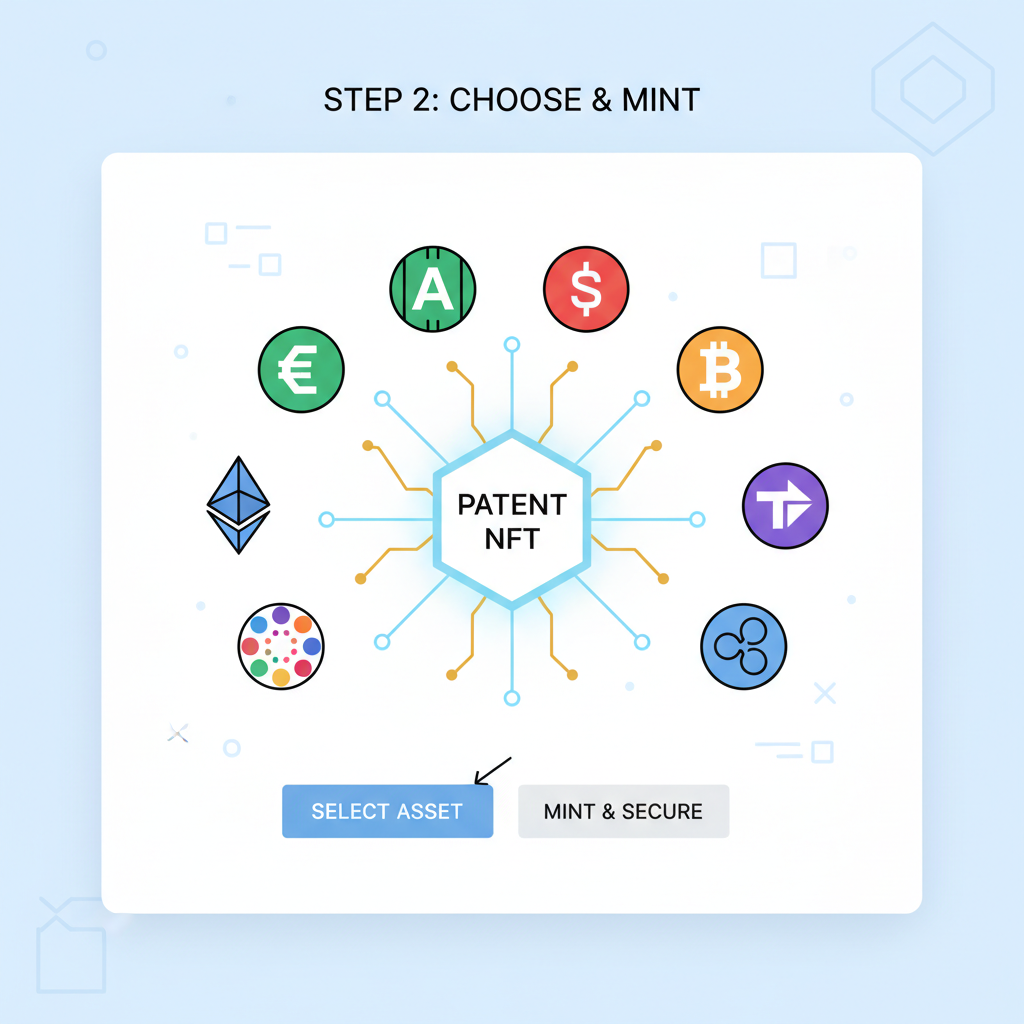
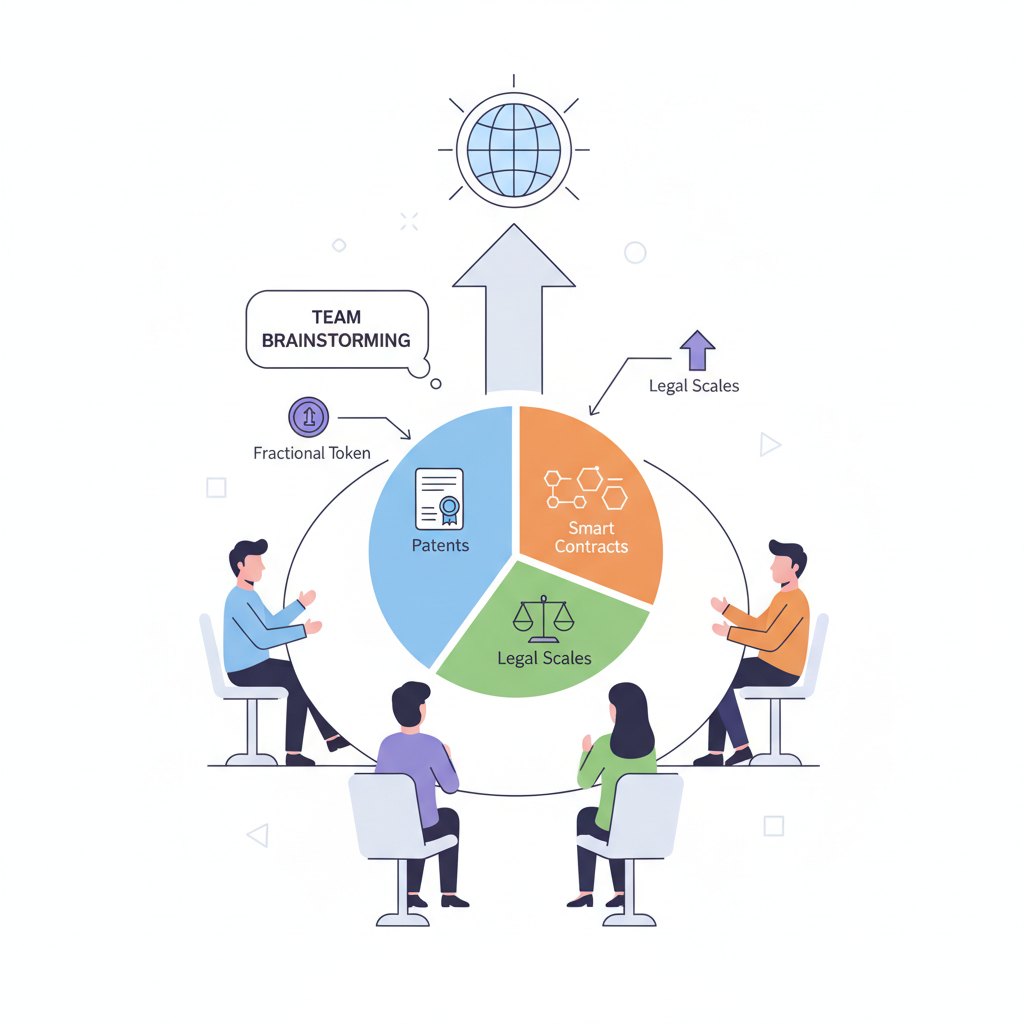
Decide on token type next: equity tokens for ownership shares or royalty tokens for revenue streams. Equity reps fractional ownership directly, while royalties tie to licensing fees. Brickken’s guide nails it: check IP, choose chain, pick token, add smart contracts, launch. But layer in compliance early – securities laws vary, and tokenized assets must hold up in court.
Choosing the Right Tools and Platforms for Success
Not all platforms are equal. Frac shines for diverse IP types, supporting fractional ownership across patents and more. Polymesh focuses on regulated tokenization, ideal for institutions needing audit trails. PTEs mimic stock exchanges but for patents, issuing tokens backed by ownership or royalties. I’ve advised clients to start with user-friendly ones like these to avoid tech headaches.
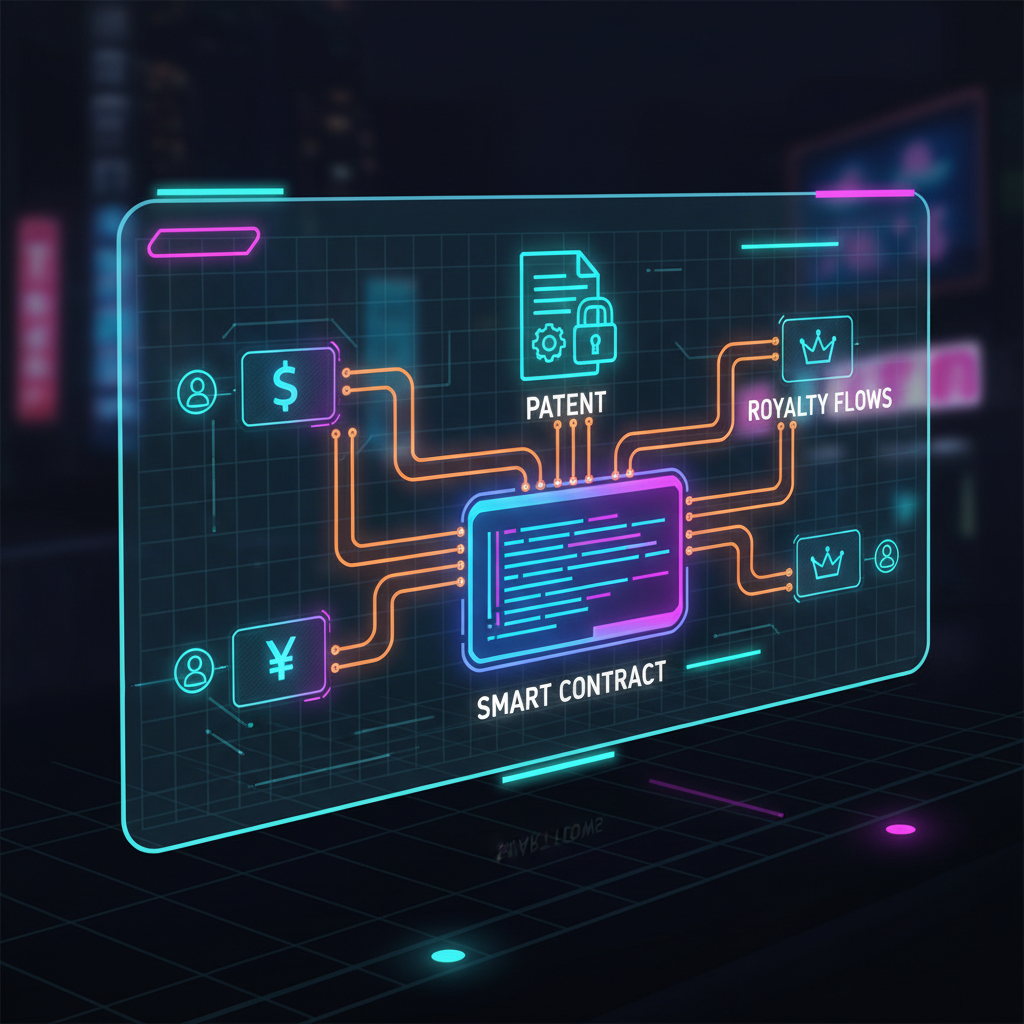
Smart contracts are your best friend here. They automate licensing: when a company uses your tech, fees flow instantly to token holders. No middlemen, no disputes. Fractionalization boosts this – imagine 1,000 shares of your patent, each unlocking micro-investments. It’s lowered barriers for startups, sparking broader commercialization.
Once you’ve got the basics locked in, it’s time to craft those smart contracts. Think of them as the engine room: self-executing code that governs everything from ownership transfers to royalty payouts. Platforms like Brickken make this straightforward, with templates that handle fractional splits automatically.
Fractionalize & Launch Your Patent: Smart Contracts to Investor Buzz

Launching means minting your tokens – often as IP NFTs fractional rights tied to the patent via metadata. Investors buy in, gaining fractional patent ownership, and you unlock liquidity without surrendering full control. I’ve guided clients through this, watching portfolios diversify as tokenized IP investments hum alongside traditional assets.
Real-World Wins and Platform Breakdown
Let’s get practical. Frac has tokenized everything from celebrity trademarks to university patents, fractionalizing them for crowd-backed funding. Polymesh stands out for institutions, its permissioned chains ensuring compliant on-chain patent management. PTEs? They’re the stock market for patents, where tokens rep ownership or royalties, traded 24/7.
Comparison of Top Platforms for Tokenizing Patents on Blockchain
| Platform | Key Feature | Best For | Fractional Support |
|---|---|---|---|
| Frac | Diverse IP types | Enterprises/Influencers | Yes |
| Polymesh | Regulated infrastructure | Institutions | Yes |
| PTE | Token exchange model | Inventors/Orgs | Yes |
| Brickken | Step-by-step tools | Startups | Yes |
This table cuts through the noise. Pick based on your scale: startups love Brickken’s simplicity, while big players lean Polymesh for audits. One client tokenized a clean-tech patent on Frac, seeing tokens trade at premiums within weeks, royalties flowing seamlessly. It’s proof that tokenize patents blockchain isn’t theory; it’s revenue reality.

Beyond platforms, fractional licensing flips the script on commercialization. Small outfits license slivers of your tech, paying via tokens that smart contracts divvy up. No haggling, just instant global reach. This model’s exploding because it aligns incentives: inventors monetize early, investors ride upside, startups innovate faster.
Overcoming Challenges with Smart Strategy
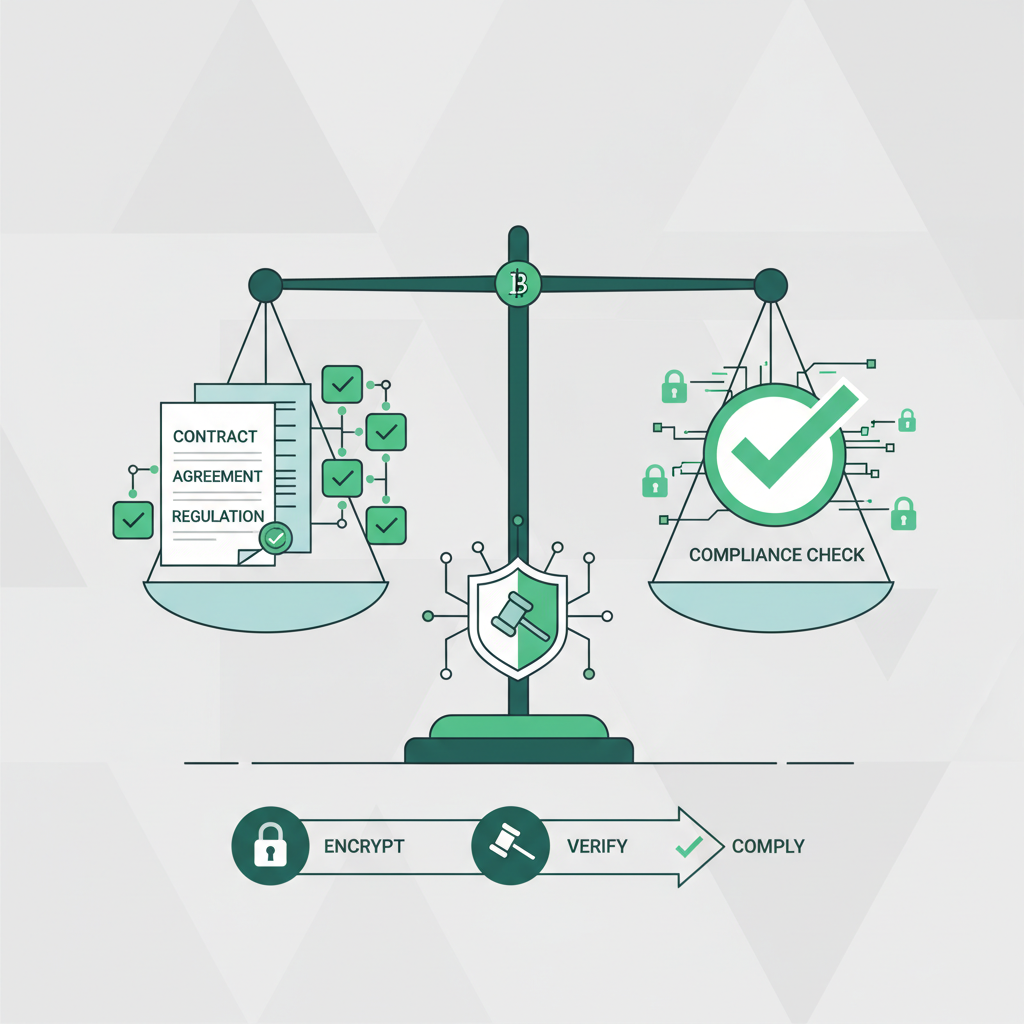
It’s not all smooth sailing. Regulations loom large – tokenized patents can qualify as securities, demanding KYC, disclosures, and jurisdiction checks. Wikipedia notes real-world asset tokens must mirror off-chain rights perfectly, or they crumble. My advice? Partner with legal experts versed in both IP and crypto from day one. Audit contracts rigorously; one glitchy payout erodes trust fast.
Valuation trips folks up too. Price your patent fairly using discounted cash flows from projected royalties, then fractionalize into appealing units – say, $100 shares for broad appeal. Market it right: highlight tech’s edge, team strength, and token perks. I’ve seen underpriced gems soar 5x on hype alone, but overvaluation kills liquidity.
Scalability matters as chains evolve. Ethereum’s gas fees bite, so layer-2s or IP natives like Polymesh keep costs low. Community building seals deals – Discord channels buzzing with holders foster loyalty, driving demand.
Stepping into this space feels daunting at first, but once you’re in, the empowerment hits hard. Your patent evolves from static asset to living, breathing investment vehicle, pulling in capital worldwide. Fractional owners cheer your wins, royalties compound, and innovation accelerates. If you’ve got IP sitting idle, why wait? Tokenize it, fractionalize it, and watch your creation fuel the future – on your terms.