

Tokenizing Patents for Fractional Ownership: Investor Guide to On-Chain IP Rights 2026

In March 2026, tokenizing patents has evolved from niche experiment to mainstream strategy, with platforms like Frac and Brickken leading the charge. Enterprises and creators now convert patents into fractionalized digital assets, unlocking global investment while streamlining management. This shift enhances liquidity for traditionally illiquid IP, democratizing access through blockchain transparency and smart contract automation.

Investors eyeing fractional IP ownership should note how this model sidesteps the hurdles of full patent acquisition. Patents, once locked in vaults or law firms, now trade as on-chain patents, mirroring real-world asset tokenization successes in real estate and art.
Tokenizing Patents: From Concept to Liquidity Boost
The momentum builds on blockchain’s proven track record. As ResearchGate’s June 2025 analysis highlights, tokenization tackles core challenges like ownership verification and royalty distribution. Platforms digitize patents into NFTs or ERC-20 tokens, representing slices of revenue rights or usage licenses. Frac. io, for instance, caters to educational institutions tokenizing research IP, while Brickken broadens to designs and music.

This isn’t hype; it’s pragmatic evolution. Traditional IP markets suffer from opacity and high barriers. Blockchain flips that script, ensuring immutable records and instant settlements. Yet, as Holland and Knight notes in patent eligibility debates, claimants must prove genuine technological edges under Alice Corp. standards – a reminder that not every crypto twist patents easily.
How Fractional IP Ownership Unlocks New Markets
Fractional IP rights trading thrives because high-value patents rarely find single buyers willing to front millions. Enter NFTs: Marshall, Gerstein and Borun LLP explains how patent holders fractionalize via NFTs, selling shares to multiple investors. Tokeny echoes this for liquidity-strapped assets, where co-ownership via fractions boosts tradability.
Key Benefits of Fractional IP Ownership
-
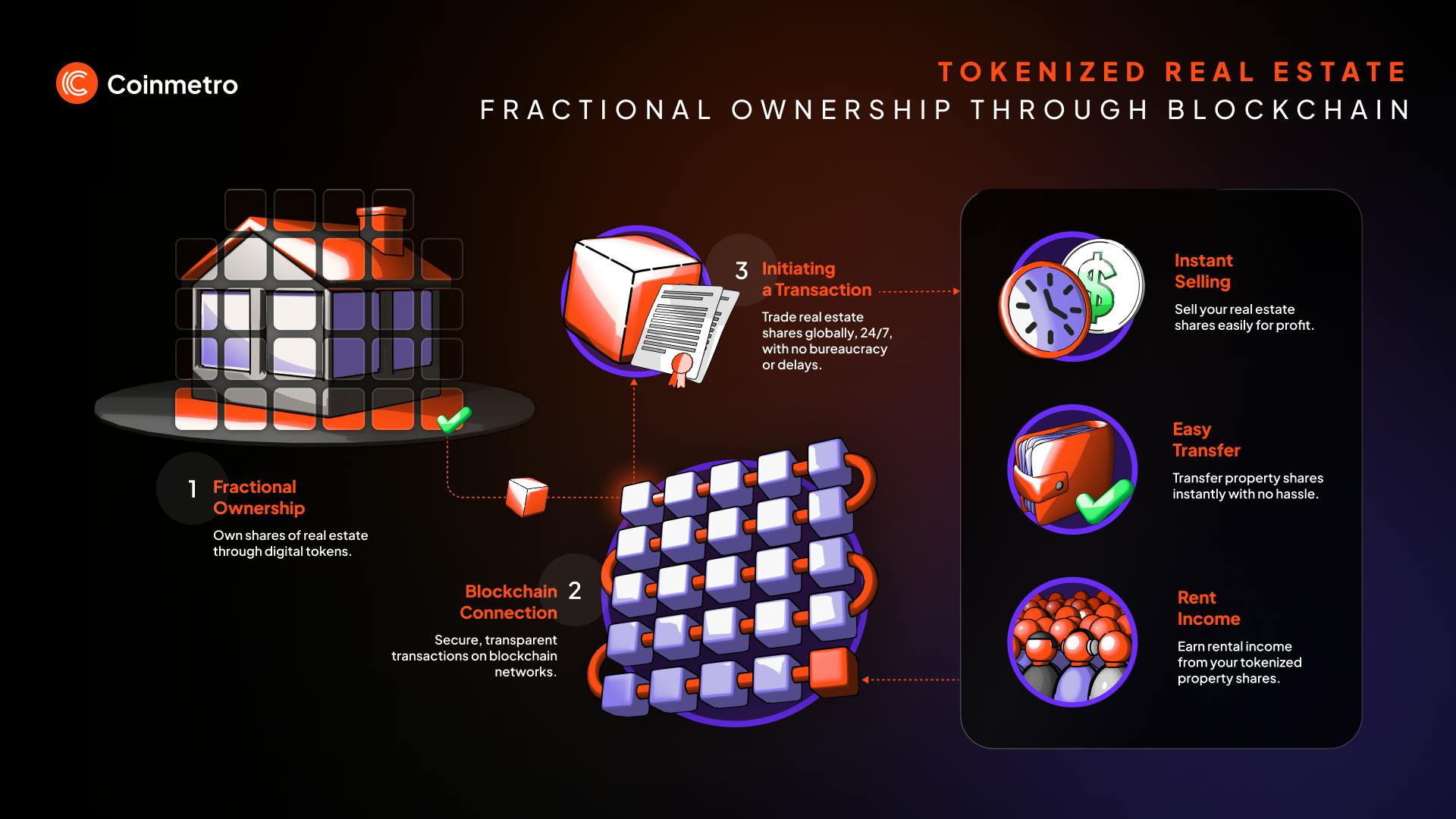
Global Investor Reach: Fractional tokens democratize access, allowing investors worldwide to buy shares in high-value patents without full ownership barriers.
-
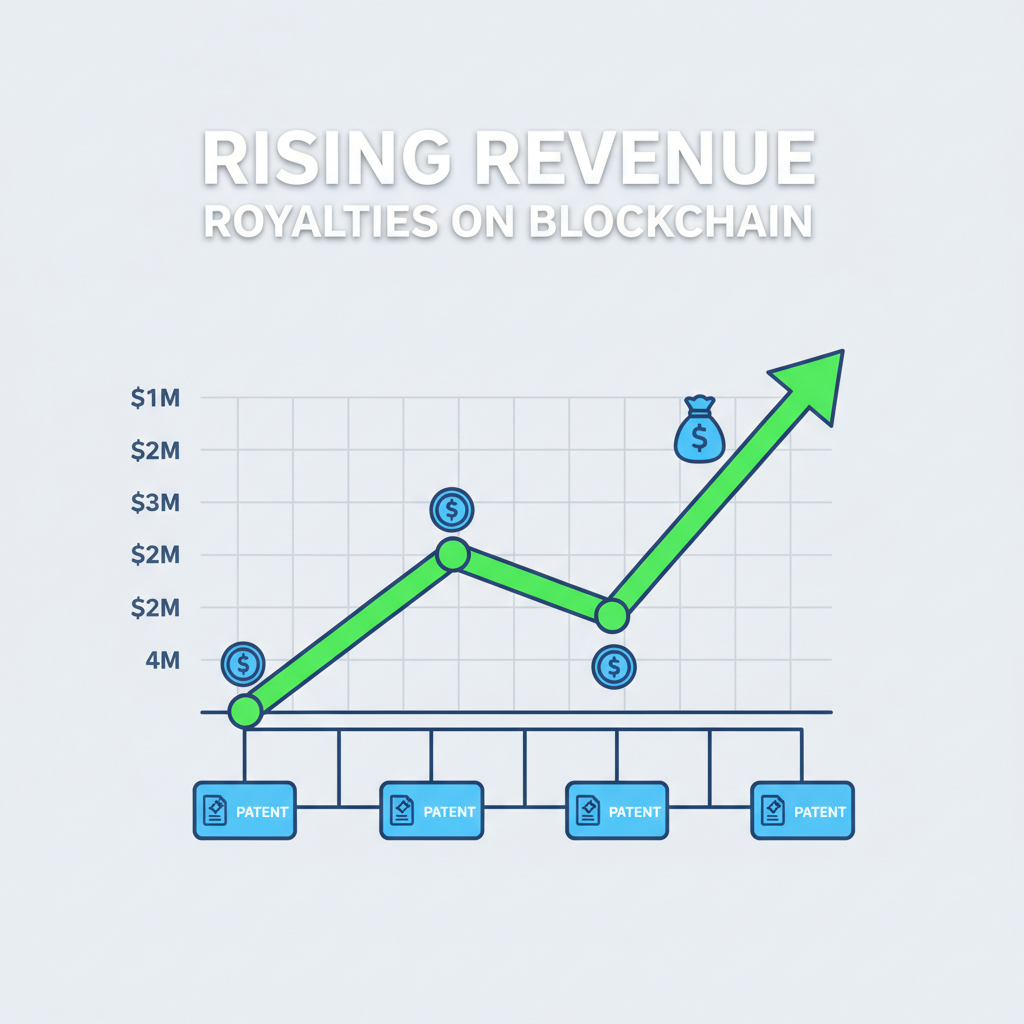
Automated Royalties: Smart contracts on blockchain automatically distribute earnings from patent licensing, reducing intermediaries and ensuring timely creator payouts.
-
Portfolio Diversification: Investors spread risk across multiple fractional IP assets, mirroring traditional diversification but with on-chain patents.
-
Fair Creator Compensation: Creators monetize IP through fractional sales and revenue shares, as seen in NFT IP models, ensuring ongoing fair pay via transparent blockchain records.

Take a biotech patent valued at $5 million; tokenizing it into 10,000 shares at $500 each opens doors to retail investors. Smart contracts handle splits automatically, distributing royalties proportionally. INORU’s 2026 insights project enterprises monetizing dormant IP this way, automating cash flows without middlemen.
Navigating Regulatory and Practical Realities
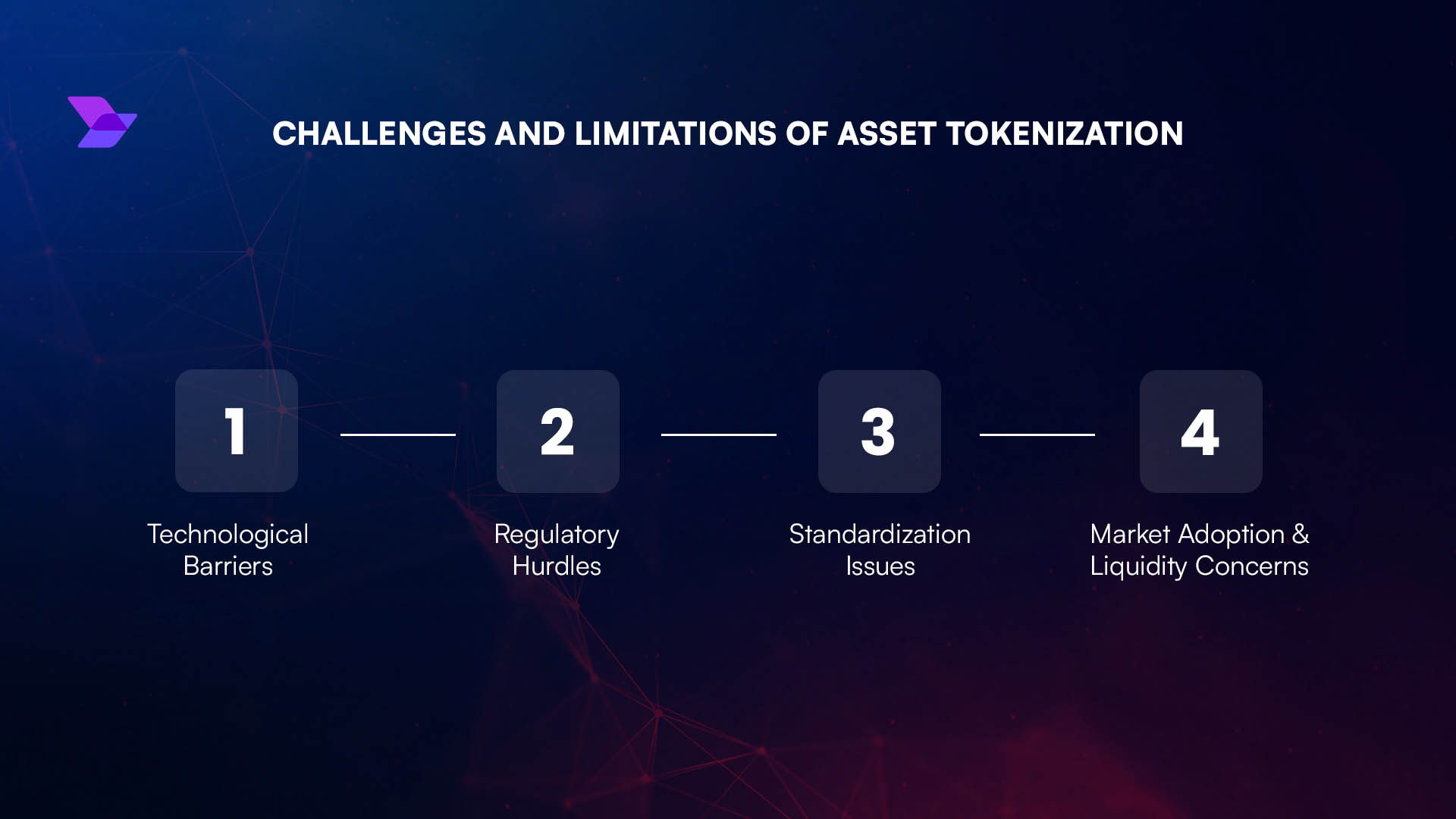
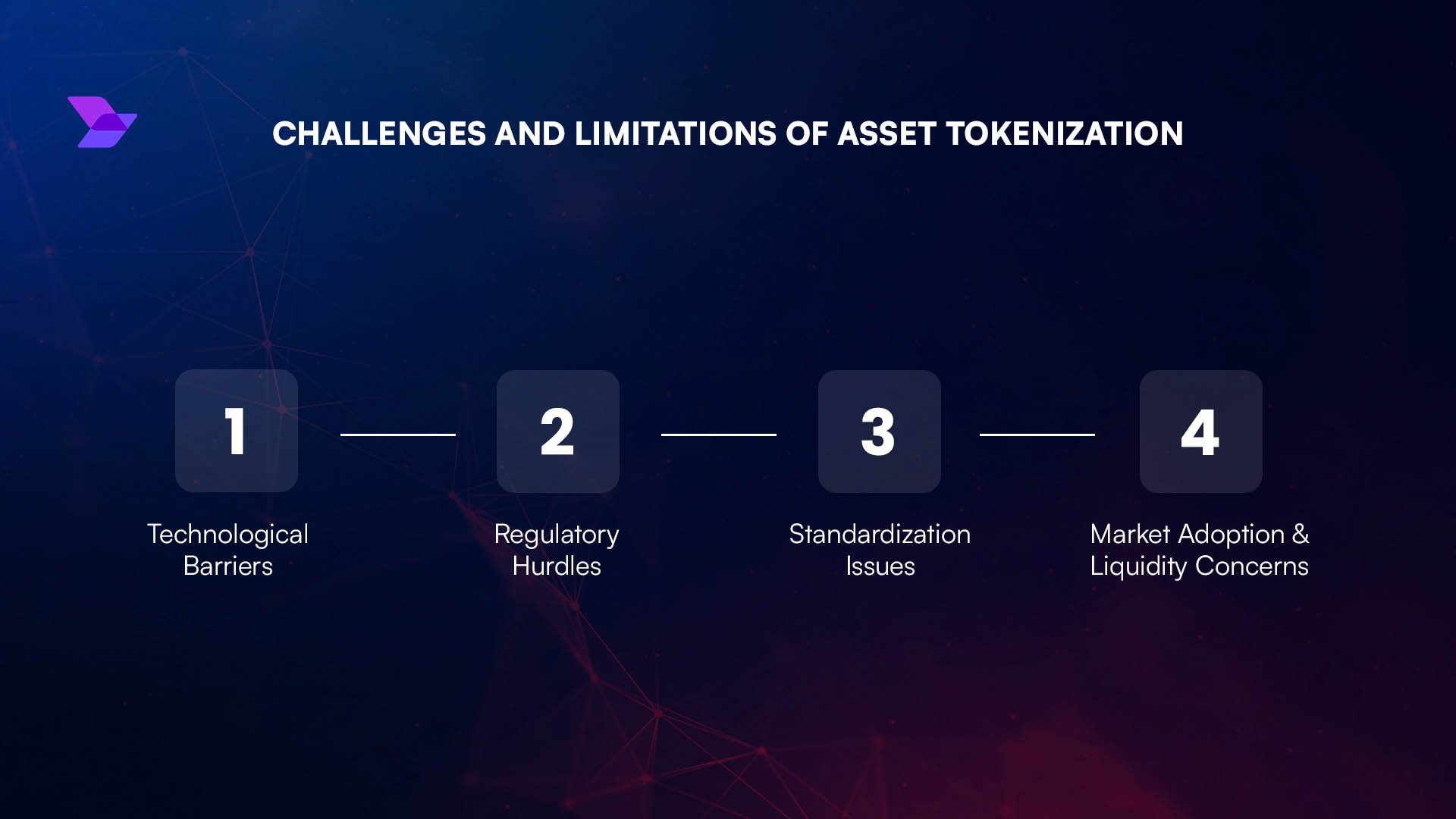
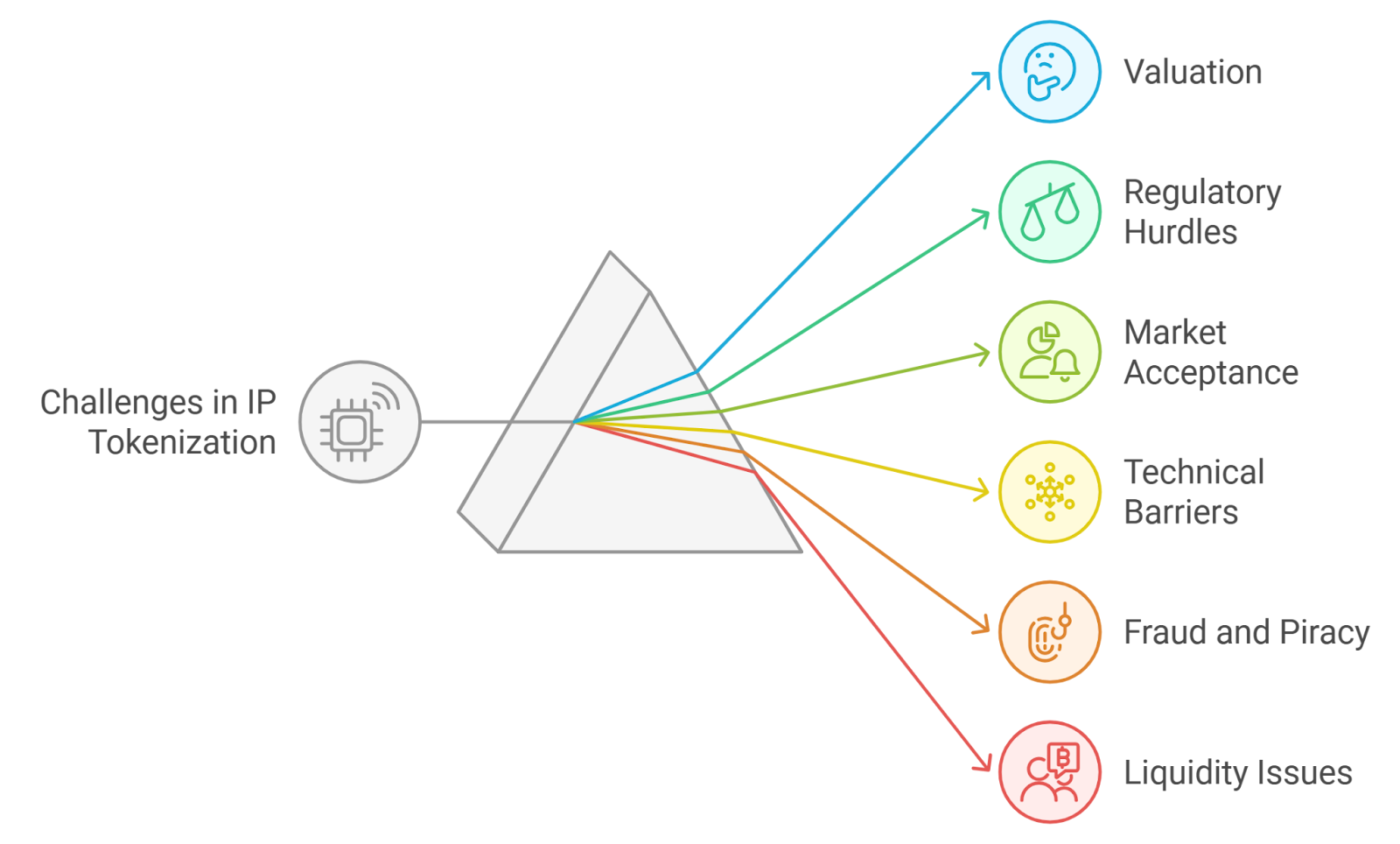
Pragmatism demands scrutiny. KuCoin outlines SEC’s token taxonomy – categorizing NFTs as digital collectibles, distinct from securities if structured right. ScienceDirect raises private law questions on NFT ownership, urging clear frameworks. Challenges persist: compliance varies by jurisdiction, and valuation hinges on patent enforceability.
Still, successes mount. RWA. io emphasizes fair pay for creators through fractional models, with blockchain securing records. BB Solicitors frames it as cash flow tokens, akin to property yields. For investors, this means portfolio diversification into innovation streams, uncorrelated with stocks or crypto volatility.
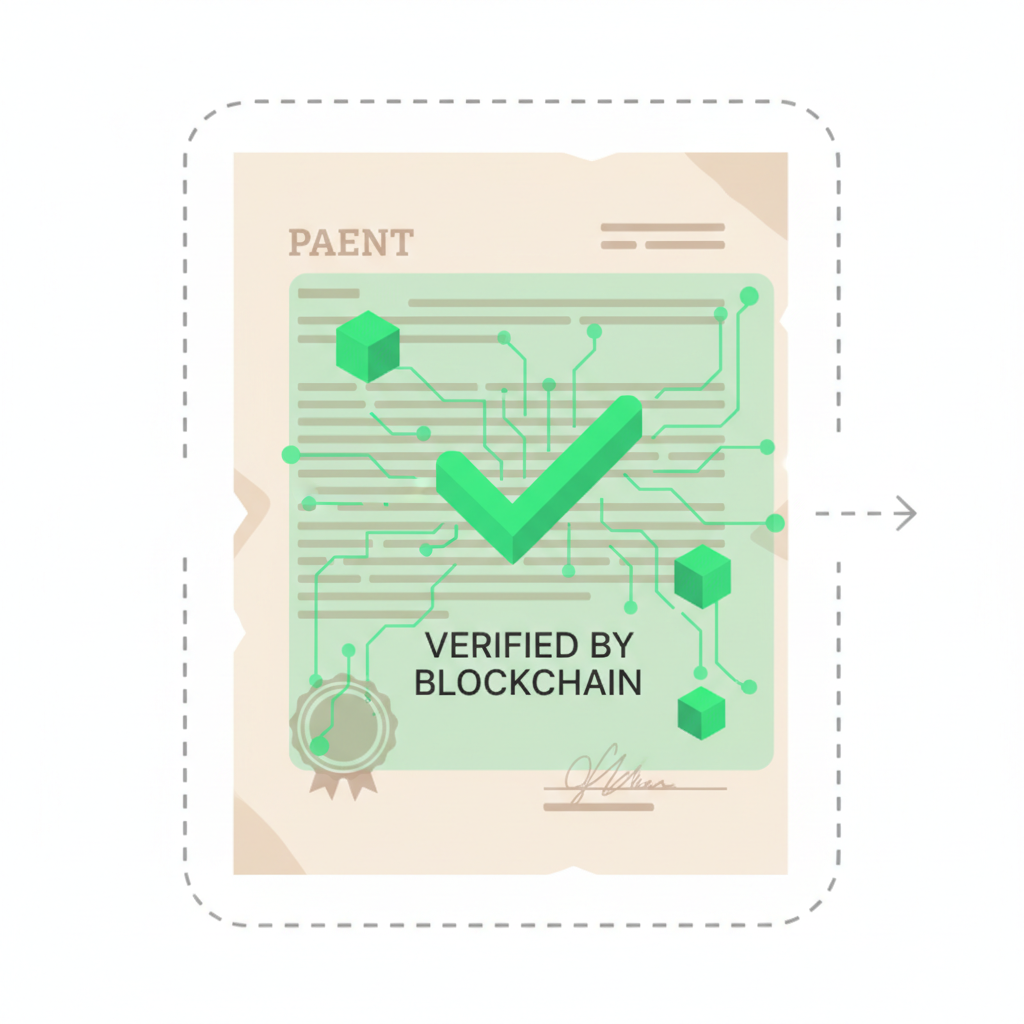
As IP NFTs on blockchain mature, the 2026 landscape favors early adopters who blend legal savvy with tech fluency. Platforms reduce intermediary friction, but due diligence on patent strength remains non-negotiable.
Investors blending commodities experience with crypto see IP as the next yield frontier, much like tokenized commodities unlocked dry bulk shipping pools two decades ago. The key? Selective entry into tokenizing patents where enforceability meets market demand, avoiding the patent trolls that plague traditional licensing.
Investor Playbook: Entering Fractional IP Rights Trading
Pragmatic allocation starts small – 5-10% of a diversified portfolio into IP NFTs blockchain assets. Platforms like Frac target institutional-grade patents from universities, offering audited revenue projections. Brickken expands to creative IP, where fractional shares trade like blue-chip art fractions. Liquidity edges improve daily; Tokeny’s fractional NFT trend proves co-ownership slashes illiquidity premiums by 40-60% in comparable markets.
Unlock Fractional Patent Ownership: 2026 Investor Roadmap
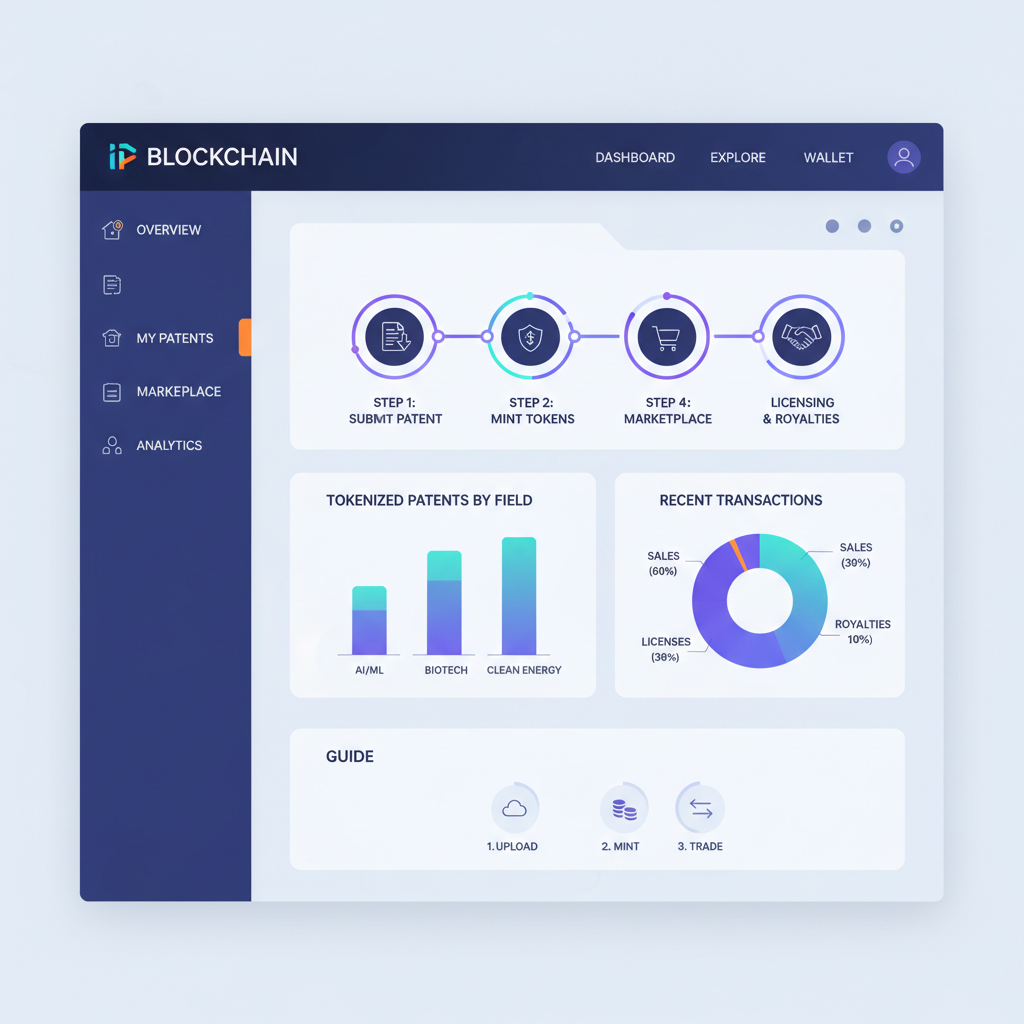
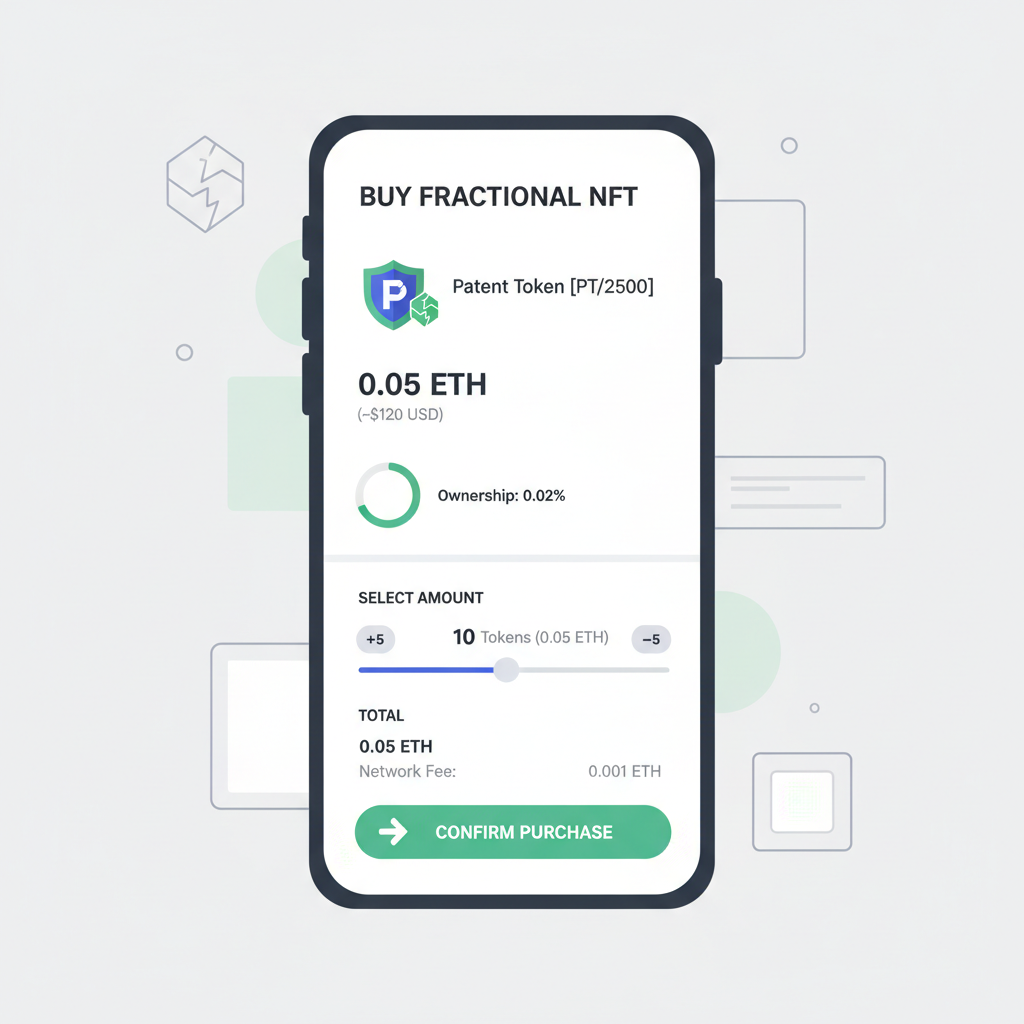
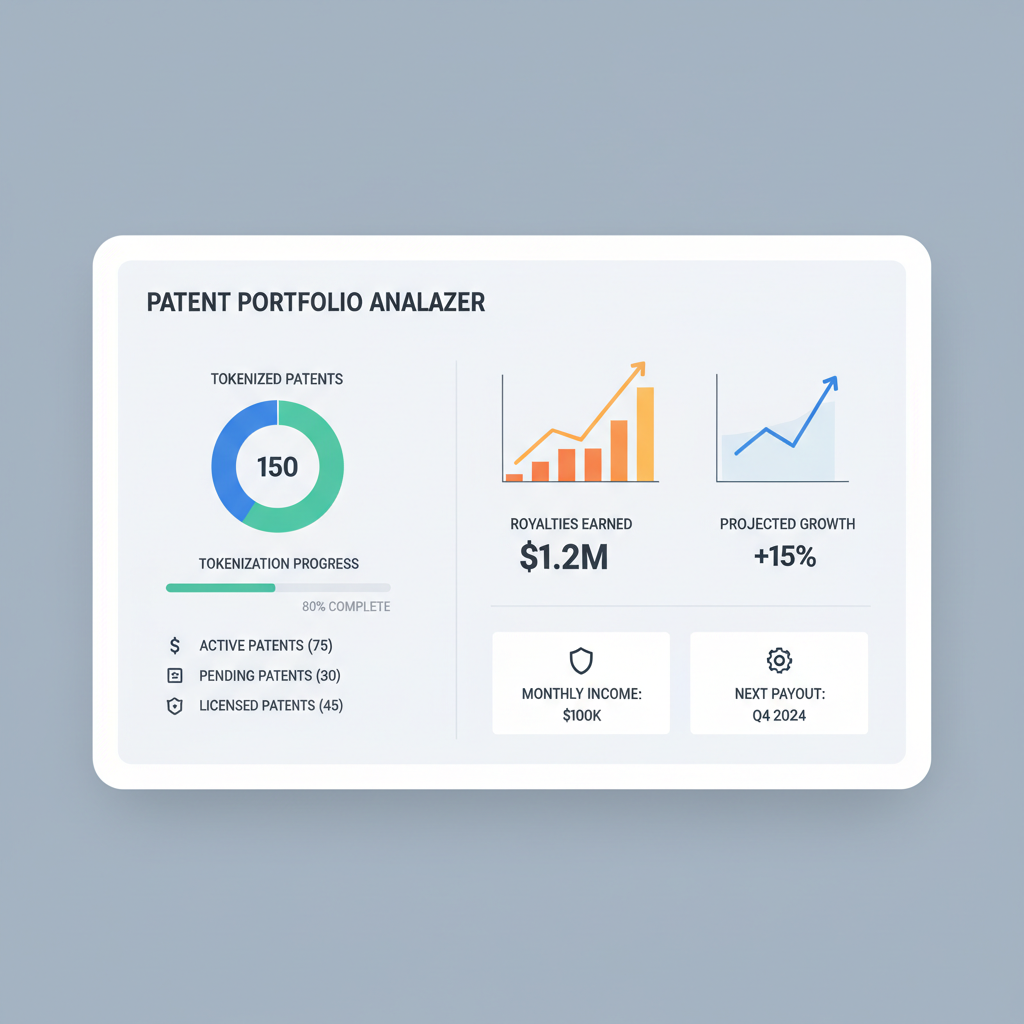
Once in, monitor via dashboards showing real-time royalty accruals. Smart contracts enforce splits, but savvy investors cross-check with off-chain litigation trackers. This hybrid diligence mirrors commodity desks verifying cargo manifests before futures bets.
Yield potential shines in biotech and green tech patents, where licensing streams compound. A $5 million patent yielding 8% annually fractions into accessible $400 slices, outperforming bonds in inflation-adjusted terms. Yet, opinion: skip hype-driven art IP; chase utility patents with proven licensees.
Real-World Wins and Hurdles Ahead
Frac’s enterprise adoptions signal maturity. Educational institutions tokenize research spin-offs, drawing pension funds wary of venture illiquidity. RWA. io’s fair-pay model resonates, as blockchain timestamps usage, curbing disputes. Challenges? Valuation volatility ties to enforcement success; a single invalidation can tank tokens 70% overnight, per Alice Step Two pitfalls Holland and Knight flags.
Global jurisdictional patchwork demands caution. EU’s MiCA frames stable IP tokens favorably, while U. S. SEC taxonomy per KuCoin shields pure NFTs from security labels if no profit promises. Investors thrive by stacking platforms with KYC rails and oracle-fed revenue data.
Tokenization bridges IP’s vault to Wall Street’s screens, but only for those who audit the vault first.
2026’s edge goes to hybrid thinkers correlating macro innovation spend – up 12% YoY per OECD proxies – with on-chain liquidity. Dormant patents, once dead weight, now fuel creator economies. Enterprises per INORU automate royalties, freeing capital for R and D loops.
Forward, expect interoperability standards linking IP NFTs to DeFi yields, compounding returns via lending pools. Early fractional IP ownership positions portfolios against AI patent floods, where scarcity premiums will reward tokenized utility over raw speculation.
Tokenized patents redefine investor access, turning abstract rights into tradable conviction plays. With platforms maturing and legal clarity emerging, 2026 marks the pivot where IP joins the blockchain asset pantheon – pragmatic, not promised.