

IP NFTs vs Traditional Patents: Liquidity Benefits of Fractional Ownership

In the evolving landscape of intellectual property, traditional patents stand as monolithic fortresses – valuable yet notoriously illiquid. Imagine holding a groundbreaking invention, but finding it nearly impossible to sell even a sliver without cumbersome legal hurdles. Enter IP NFTs, where blockchain transforms these assets into fluid, fractionalized tokens. This shift isn’t just technological window dressing; it’s a pragmatic revolution in blockchain IP liquidity, enabling fractional IP rights that mirror the divisibility of stocks or crypto. Drawing from my commodity trading days, where liquidity was king, I see IP NFTs bridging the gap between rigid patents and dynamic markets.

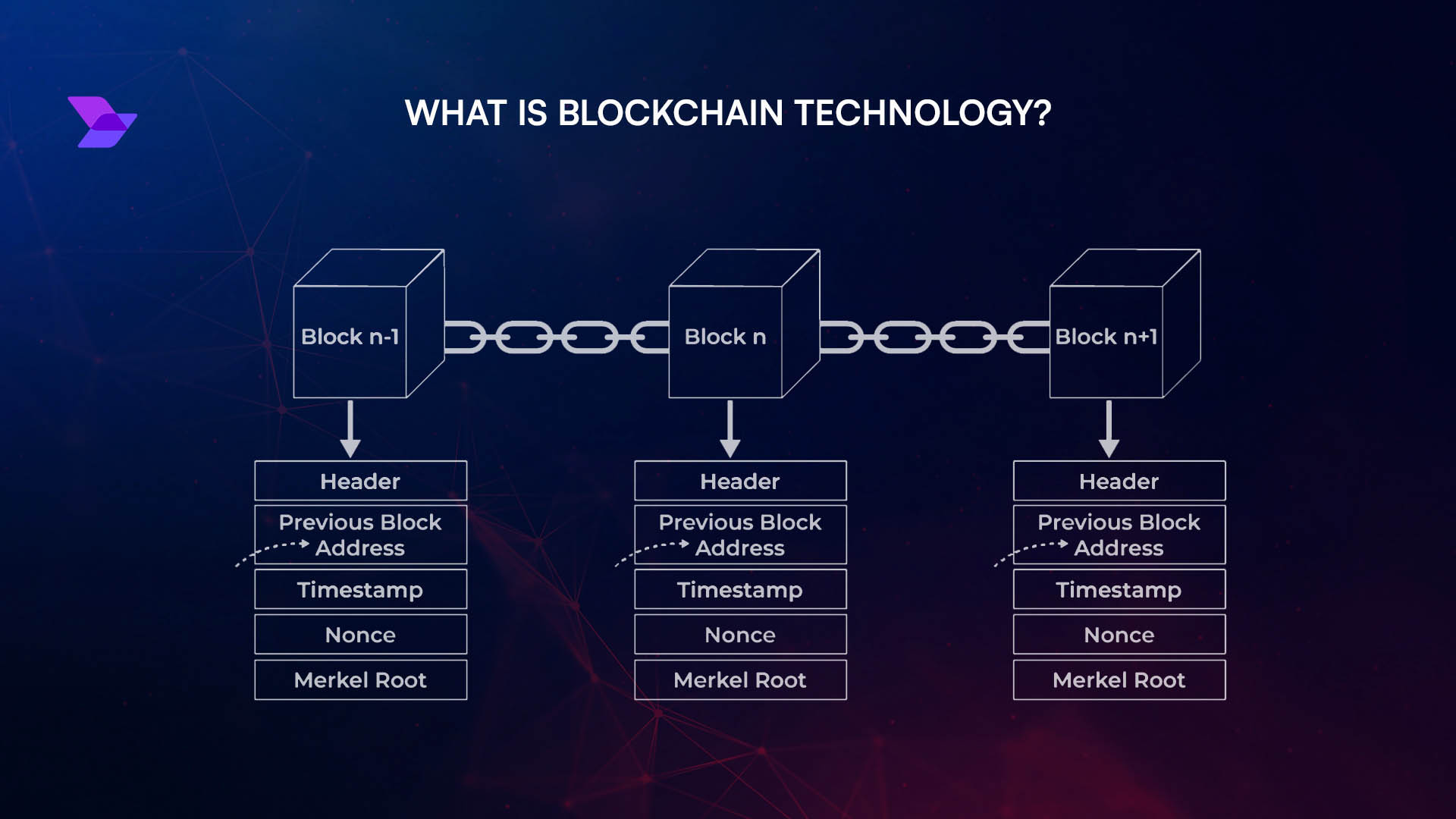
Traditional Patents: Barriers to Fluid Markets
Patents have long been the gold standard for inventors, granting exclusive rights for up to 20 years. Yet, their structure breeds stagnation. Transferring ownership demands exhaustive due diligence, notarized assignments, and USPTO filings that can drag on for months. Fractional sales? Forget it. You can’t slice a patent like a pie without creating complex licensing agreements, which deter all but the wealthiest buyers. The U. S. Copyright Office and USPTO have noted blockchain’s potential for management and licensing, but commenters highlight concerns over enforceability and integration. From a trader’s lens, this opacity kills volume; patents sit idle, their value unrealized until full expiration or outright sale to deep-pocketed corporations.
Falcon Rappaport and Berkman outlines the enforcement quagmires at the IP-NFT intersection, underscoring how traditional systems amplify risks. Dickinson Wright simplifies it: patents are like paper certificates in a digital age – authentic, but not agile. In commodities, we thrived on split-second trades; patents force holders into a wait-and-hope game, stifling innovation cycles.
IP NFTs: Democratizing Ownership Through Fractionals
IP NFTs fractional ownership flips the script by tokenizing patents, copyrights, and trademarks on-chain. An NFT isn’t mere art; it’s a verifiable deed to IP slices, divisible into 1,000 or 10,000 shares via smart contracts. Sasha Shilina on Medium nails it: NFTs allow trading of intellectual property assets in smaller parts, opening doors for retail investors. The NIH explores patent NFTs specifically, detailing requirements for on-chain representation that ensure compliance and transparency.

This fractionalization echoes crypto’s ethos but applies to real-world inventions. Wolters Kluwer points to pitfalls like limited licenses in NFT sales, yet the promise outweighs: clear provenance via blockchain ledgers. No more opaque registries; every transaction is immutable, royalties auto-distributed. As someone correlating macro trends with token liquidity, I view this as IP’s commodity supercycle – turning illiquid vaults into tradable flows.
Quantifying Liquidity: Patents vs IP NFTs Side-by-Side
To grasp the edge, consider transaction speed and accessibility. Traditional patents might take 6-12 months for transfer; IP NFTs settle in minutes on marketplaces like ours at Fractional IP Rights. IIPRRD flags copyright gaps in NFTs, but smart contract royalties mitigate disputes, fostering trust and repeat trades.
Traditional Patents vs. IP NFTs: Liquidity Comparison
| Feature | Traditional Patents | IP NFTs |
|---|---|---|
| Liquidity | Low | High |
| Ownership Transfer Time | Months | Minutes |
| Fractionalization | No | Yes |
| Investor Access | Institutions | Retail |
| Market Volatility | Stable | Enhanced Trading |
Dennemeyer clarifies: NFT sales don’t alter core IP rights unless bundled, preserving legal integrity while boosting velocity. Intepat highlights how fractionals broaden investor scopes, injecting liquidity into once-static assets. In my hybrid view, this isn’t hype; it’s market evolution, where patents vs IP NFTs reveals a clear winner for pragmatic portfolios.
Platforms tokenizing patents see trading volumes spike as barriers crumble. Creators engage communities directly, licensing fractions for R and amp;D funding. Regulatory nods from. gov sources signal maturity, though vigilance on volatility remains key. This liquidity infusion correlates with broader blockchain adoption, much like commodities digitized post-2008.