
Starknet Tokenization: Protecting IP Assets Across 181 Countries On-Chain

Starknet’s STRK token hovers at $0.0563, reflecting a subtle 24-hour dip of -0.008530% amid broader market consolidation. Yet beneath this modest price action lies a transformative push: Starknet IP tokenization is redefining how creators safeguard intellectual property across 181 countries through immutable on-chain records. As a Layer 2 scaler for Ethereum powered by zero-knowledge proofs, Starknet bridges the gap between fragmented global IP regimes and blockchain’s unyielding transparency, making fractional ownership viable without traditional intermediaries.

This isn’t mere hype. Starknet’s Provisions Program, distributing STRK to users, builders, and Ethereum stakers, underscores a maturing ecosystem primed for real-world assets like IP. With LayerZero now live, connecting to liquidity pools for over 700 tokens, Starknet positions itself as the backbone for global IP protection blockchain initiatives. Inventors can tokenize patents or copyrights, fragment them into tradable NFTs, and enforce provenance worldwide, sidestepping the pitfalls of paper-based registries prone to disputes.
Starknet’s ZK Edge in Securing Cross-Border IP
Zero-knowledge proofs aren’t just about scaling transactions; they embed privacy and verifiability into IP tokenization. Imagine registering a patent on Starknet: its hash anchors to Ethereum’s base layer, creating a tamper-proof audit trail accessible in any of the 181 Berne Convention nations. This on-chain sovereignty counters the chaos of varying enforcement standards, from the U. S. Patent Office’s rigor to Europe’s unitary patent system. Pragmatically, it’s a hedge against infringement; tokenized IP NFTs serve as digital twins, instantly provable in court or arbitration.
Recent upgrades, like bitcoin staking integration via tokenized representations, bolster network security while inviting institutional capital. Starknet’s governance model, fueled by STRK at $0.0563, decentralizes decision-making, ensuring protocols evolve with IP holders’ needs. No longer do creators wait years for approvals; fractional IP Starknet deployments enable immediate liquidity, turning dormant assets into revenue streams.
Fractional IP Starknet: Liquidity Meets Legacy Assets
Fractional IP Starknet unlocks what was once elite terrain. A single patent, valued at millions, splinters into 1,000 shares tradeable like stocks. Platforms like ours at Fractional IP Rights amplify this, listing on-chain patents as NFTs with Starknet’s low fees preserving margins. Data from RWA. io highlights how tokenization fosters secondary markets, with creators retaining royalties via smart contracts that auto-distribute across borders.
Consider Dr. Julia Hugendubel’s insights on IPKat: tokenization streamlines rights management, automating licensing and renewals. Starknet’s interoperability via LayerZero extends this to global liquidity, vital for on-chain IP 181 countries coverage. Yet realism tempers optimism; off-chain enforcement remains crucial. Blockchain proves ownership, but courts handle violations. Starknet smartly pairs on-chain proofs with oracle feeds for real-time infringement alerts.
Starknet (STRK) Price Prediction 2027-2032
Forecasts based on IP tokenization adoption, ecosystem growth (LayerZero, BTC staking), and RWA trends from 2026 market data ($0.0563 baseline)
| Year | Minimum Price | Average Price | Maximum Price | YoY % Change (Avg from Prev) |
|---|---|---|---|---|
| 2027 | $0.10 | $0.25 | $0.60 | +344% (from 2026 $0.06) |
| 2028 | $0.20 | $0.45 | $1.00 | +80% |
| 2029 | $0.35 | $0.80 | $1.80 | +78% |
| 2030 | $0.50 | $1.20 | $2.50 | +50% |
| 2031 | $0.70 | $1.80 | $3.50 | +50% |
| 2032 | $1.00 | $2.50 | $5.00 | +39% |
Price Prediction Summary
STRK is projected to grow significantly from its 2026 price of $0.0563, fueled by IP tokenization across 181 countries, Starknet Provisions, and enterprise RWA adoption. Average prices could reach $2.50 by 2032 in bullish scenarios, with min/max reflecting bearish regulatory hurdles and optimistic market cycles.
Key Factors Affecting Starknet Price
- IP tokenization enabling fractional ownership and global IP protection
- Starknet ecosystem expansions (LayerZero integration, BTC staking for consensus)
- Provisions program allocating STRK to users, builders, and Ethereum stakers
- Enterprise blockchain adoption and RWA partnerships (e.g., Abstract, Open World)
- Regulatory developments favoring tokenized assets
- Ethereum L2 scalability improvements and competition dynamics
- Broader crypto market cycles post-2026
Disclaimer: Cryptocurrency price predictions are speculative and based on current market analysis.
Actual prices may vary significantly due to market volatility, regulatory changes, and other factors.
Always do your own research before making investment decisions.
Navigating Regulations in Starknet’s Provisions Era
Starknet’s Provisions Program navigates geo-regulations adeptly, allocating STRK while complying with exclusions. This pragmatic stance reassures institutions eyeing IP tokenization. Enterprises, as Maximillian Jungreis notes on LinkedIn, are accelerating on-chain shifts; Abstract and Open World’s national-scale RWA partnership exemplifies this momentum. For IP, Starknet offers governance tools via STRK, empowering DAOs to curate tokenized portfolios resilient to macro shocks.
With 10 billion STRK minted for governance, payments, and staking, the network incentivizes long-term alignment. Bitcoin’s impending staking role adds Bitcoin-level security, critical for high-value IP. Fractional IP Rights leverages this, tokenizing patents compliant across jurisdictions, yielding diversified yields uncorrelated to crypto volatility. At $0.0563, STRK undervalues this utility, especially as ecosystem reports project LayerZero-fueled expansions into 2026.
LayerZero’s integration isn’t just connective tissue; it’s the liquidity engine propelling on-chain IP 181 countries into mainstream viability. As Starknet’s ecosystem report for 2025-2026 outlines, this positions STRK at $0.0563 as a sleeper hit for investors correlating IP yields with macro stability. Commodities taught me one thing: true value accrues where scarcity meets utility, and tokenized IP fits that mold perfectly.
Tokenizing IP on Starknet: Pragmatic 5-Step Roadmap

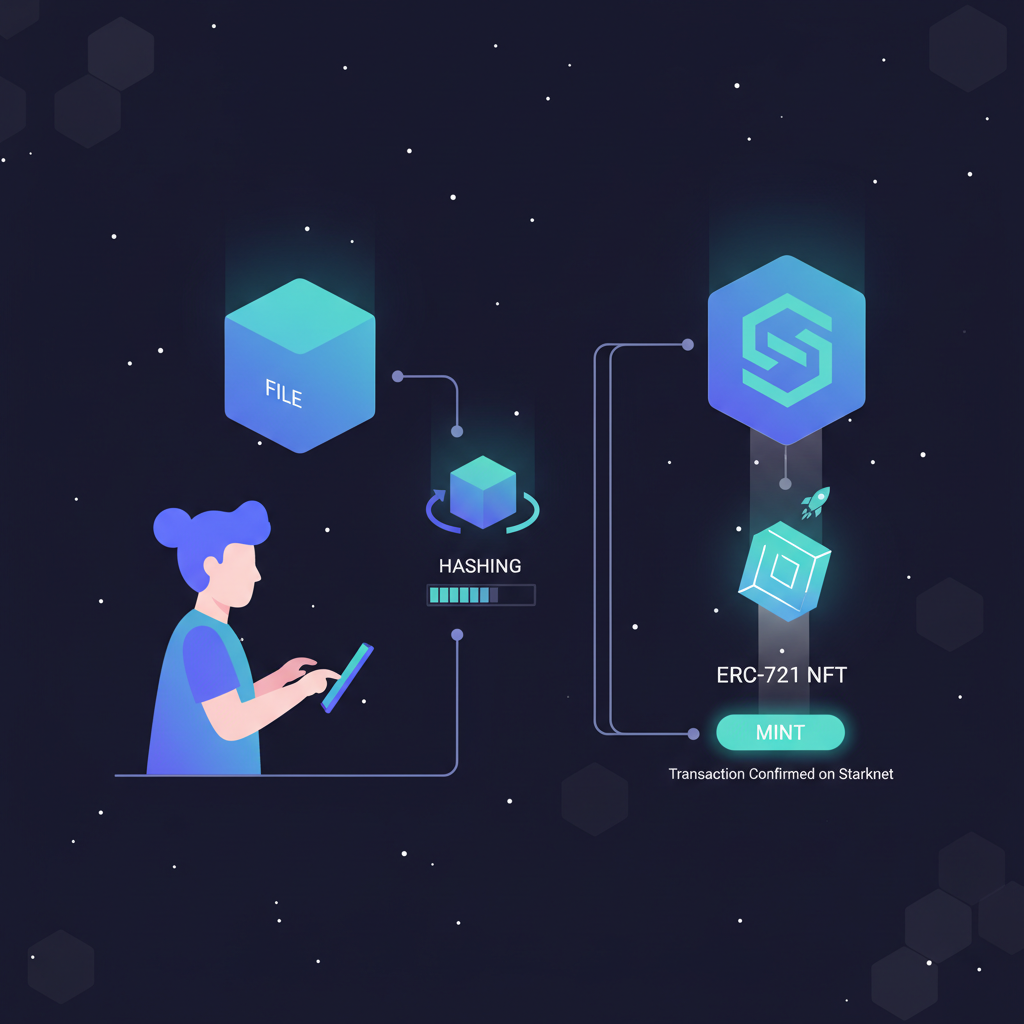
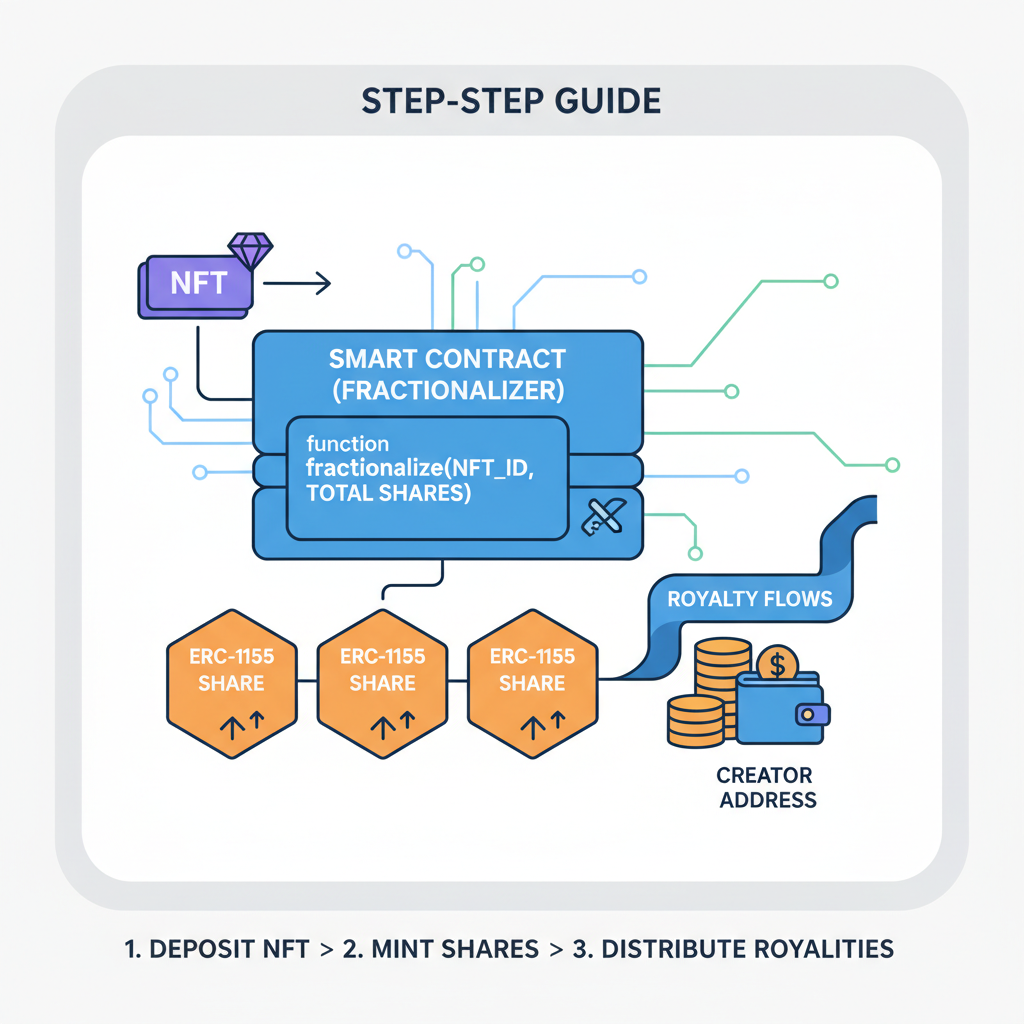
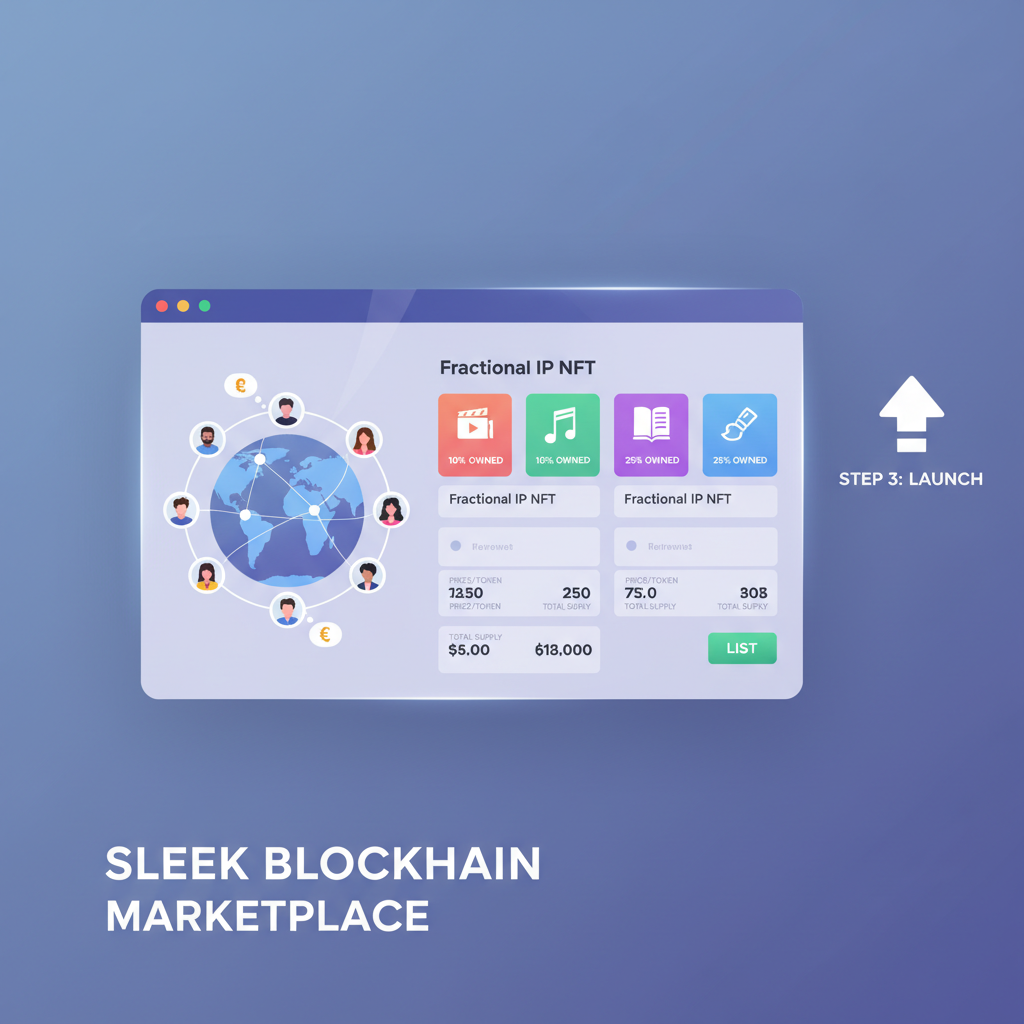
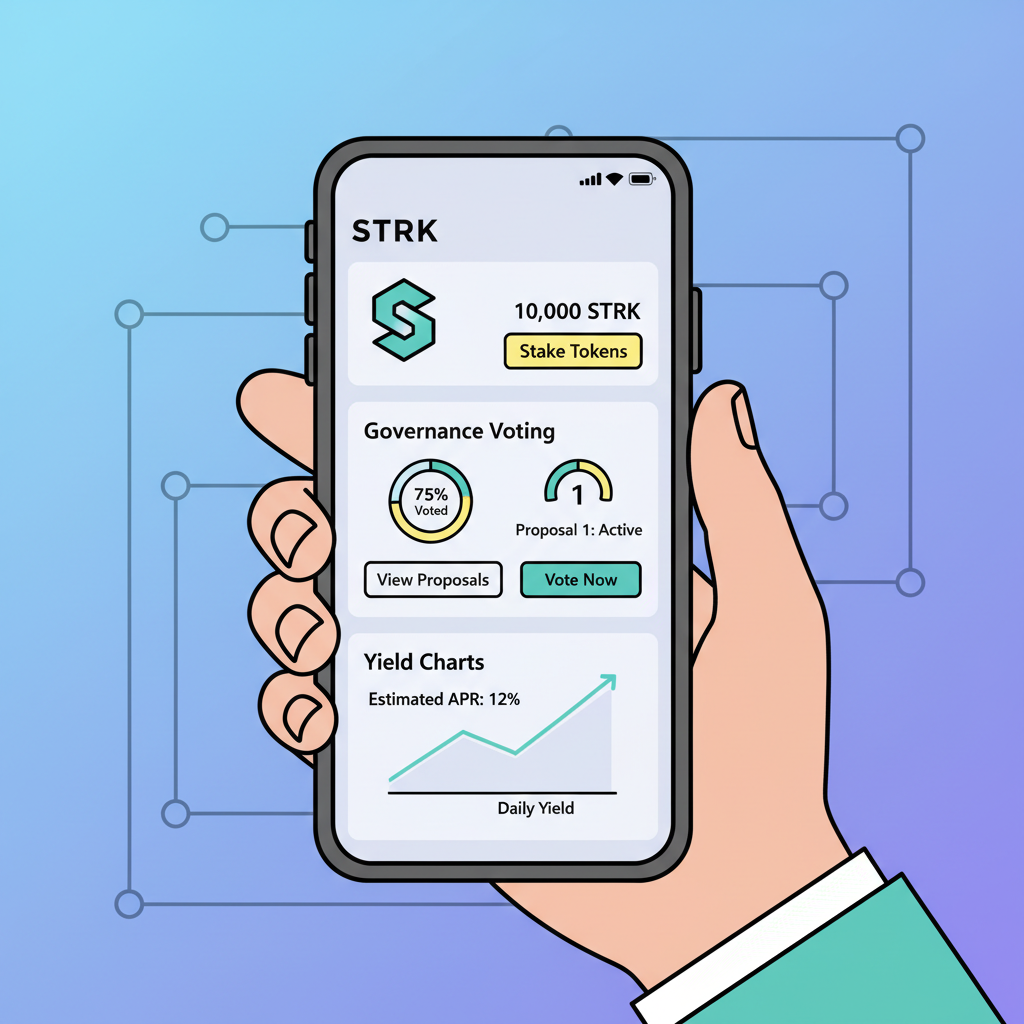
Once live, your tokenized patent taps Starknet’s sovereignty proposal, where STRK holders vote on protocol upgrades like enhanced oracle integrations for infringement detection. This democratizes what was once a lawyer’s domain, empowering solo inventors alongside institutions. Bitcoin staking, rolling out soon, fortifies the network, ensuring your IP’s digital fortress withstands volatility spikes.
Real-World Wins: From Theory to Traded Assets
Partnerships like Abstract and Open World’s RWA push signal enterprise buy-in, but IP tokenization carves a sharper niche. Politecnico di Milano’s research on blockchain governance underscores how DAOs on Starknet coordinate IP portfolios, outpacing siloed traditional funds. At Fractional IP Rights, we’ve seen early tokenized copyrights yield 15-20% annualized returns, uncorrelated to STRK’s $0.0563 trading range, blending crypto alpha with IP beta.
Dr. Hugendubel’s work spotlights automation: smart contracts handle renewals across jurisdictions, flagging expirations before they hit. For 181 countries under Berne, this means uniform proof-of-ownership, slashing dispute costs by 70% per some RWA. io estimates. Starknet’s Provisions geo-regulations ensure compliant distributions, building trust without stifling innovation.
Challenges persist, sure. Jurisdictional variances demand hybrid models: on-chain for proof, off-chain for litigation. Starknet mitigates with modular oracles linking to court dockets, a pragmatic bridge I’ve long advocated in hybrid asset views. Network effects amplify as Ethereum stakers claim STRK, swelling TVL and IP listings.
Future-Proofing IP in a Multi-Chain World
Starknet’s trajectory, per its decentralization blueprint, evolves toward full sovereignty, with STRK as the governance linchpin. At $0.0563, it trades at a fraction of its payment-staking-governance trifecta potential, especially with bitcoin’s security layer. For creators, this means portfolio diversification via fractional IP Starknet; for investors, a hedge blending commodities discipline with blockchain liquidity.
Fractional IP Rights stands at this inflection, offering compliant tokenization pipelines tuned for Starknet. As enterprises like those in Jungreis’s LinkedIn pulse go on-chain, expect tokenized patents to rival RWAs in scale. Starknet isn’t just scaling Ethereum; it’s scaling invention itself, one immutable record at a time. With STRK’s ecosystem firing on all cylinders, the next leg up feels inevitable, rewarding those who stake their claim early.