
The 2026 IP Compliance Landscape
The legal environment for artificial intelligence startups has shifted from a period of relative uncertainty to one of active, high-stakes enforcement. In 2026, traditional, static legal structures are proving inadequate for agile companies that iterate models and datasets weekly. The surge in AI-related IP litigation is no longer theoretical; it is a daily operational reality that demands a new approach to asset management.
Courts in the United States and the European Union are increasingly scrutinizing the intersection of copyright, patent eligibility, and trade secrets. As noted in recent legal outlooks from major firms like Hogan Lovells and Fitcheven, the focus has moved beyond simple patent eligibility under Section 101 to a more holistic view of IP assets. This shift means that startups can no longer rely on a single patent filing or a broad copyright claim to secure their competitive advantage. Instead, they must manage a complex web of overlapping rights and emerging regulatory frameworks.
This new landscape requires a fundamental change in how legal teams operate. The old model of "file and forget" is obsolete. Startups must now implement dynamic compliance strategies that can adapt to rapid changes in case law and regulatory guidance. Failure to do so exposes companies to significant litigation risks and potential loss of core intellectual property rights.
The consequences of inaction are severe. High-profile cases in 2026 have resulted in substantial damages and injunctions that have disrupted entire product lines. For AI startups, this means that IP compliance is not just a legal formality but a core business function. Companies must prioritize transparency in their training data, clear ownership structures for generated content, and robust documentation of their development processes. Only by adopting these rigorous standards can they hope to survive the intensified legal scrutiny of the current year.
Defining fractional IP rights in practice
Fractional IP rights represent a structured ownership model where intellectual property assets are divided among multiple stakeholders, typically founders, investors, and specialized contractors. Unlike traditional employment or simple freelance consulting, this framework establishes ongoing governance rights alongside equity-like incentives. In the 2026 legal landscape, this approach allows AI startups to retain core algorithmic ownership while granting limited usage rights to external development teams or strategic partners.
This model distinguishes itself from standard consulting agreements by embedding strategic oversight into the IP structure. A fractional IP lawyer, as noted by Avatar IP Law, provides on-demand access to experienced specialists who help manage these complex ownership splits. This ensures that while development may be distributed, the ultimate control over patents, trademarks, and trade secrets remains centralized within the founding entity.
The operational reality involves clear delineation of what "fractional" means for each asset class. For instance, a startup might retain 100% ownership of its core neural network architecture while granting a partner firm a non-exclusive, royalty-bearing license for a specific application layer. This granular control prevents the dilution of primary assets while enabling rapid scaling through external collaboration, a critical necessity for high-growth AI ventures in 2026.
Fractional vs. Full-Time IP Leadership
Founders often face a binary choice: hire a full-time Chief IP Officer or retain outside counsel. The decision hinges on stage, capital, and the complexity of the intellectual property portfolio. In 2026, the fractional model has emerged as a distinct structural alternative, offering strategic depth without the fixed overhead of a C-suite executive.
A full-time IP leader provides dedicated, daily oversight. This model suits mature companies with high-volume patent filings, complex cross-border litigation, or extensive trade secret programs requiring constant internal monitoring. The cost is significant, including salary, benefits, and equity, but it ensures immediate availability for urgent matters.
Fractional IP leadership operates on a retainer or project basis. This approach bridges the gap between sporadic external counsel and full-time employment. It is particularly effective for early-stage startups that need strategic direction on filing strategies and licensing but do not yet have the volume to justify a full-time hire. According to industry analysis, fractional arrangements provide top-tier legal insight at a scalable level, allowing businesses to access senior expertise without the long-term commitment.
The following comparison outlines the structural differences between these two models as they apply to the current legal landscape.
| Factor | Full-Time IP Officer | Fractional IP Leader |
|---|---|---|
| Cost Structure | High fixed salary + benefits + equity | Variable retainer or project-based fees |
| Availability | Dedicated, on-site daily | Scheduled hours or on-demand access |
| Strategic Depth | Deep, continuous portfolio management | High-level strategy and specialized audits |
| Scalability | Difficult to scale down quickly | Easily adjusted to funding rounds |
| Risk Management | Proactive, daily compliance monitoring | Reactive to specific triggers or filings |
Compliance areas for AI startups
The 2026 IP landscape requires fractional experts to manage three specific operational zones where traditional general counsel often lacks specialized depth. These areas represent the highest risk for AI startups: data provenance, algorithmic transparency, and cross-border enforcement.
Data provenance and training sets
Fractional IP counsel provides immediate value in mapping the lineage of training data. Under the EU AI Act (effective 2026), transparency regarding copyrighted material in training datasets is mandatory. Experts verify that data sourcing aligns with emerging copyright exceptions, preventing costly litigation over unauthorized model training.
Algorithmic transparency and patent eligibility
As patent offices scrutinize AI-generated inventions, fractional specialists ensure algorithmic processes meet novelty requirements. They draft claims that distinguish technical contributions from abstract ideas, a critical distinction in USPTO and EPO examinations. This precision prevents rejection based on subject matter eligibility.
Cross-border IP enforcement
AI startups often operate globally, but IP rights are territorial. Fractional experts coordinate enforcement strategies across jurisdictions, leveraging treaties like the Hague Agreement. They identify infringement hotspots and coordinate local counsel for cease-and-desist actions, ensuring consistent protection without the overhead of full-time international teams.
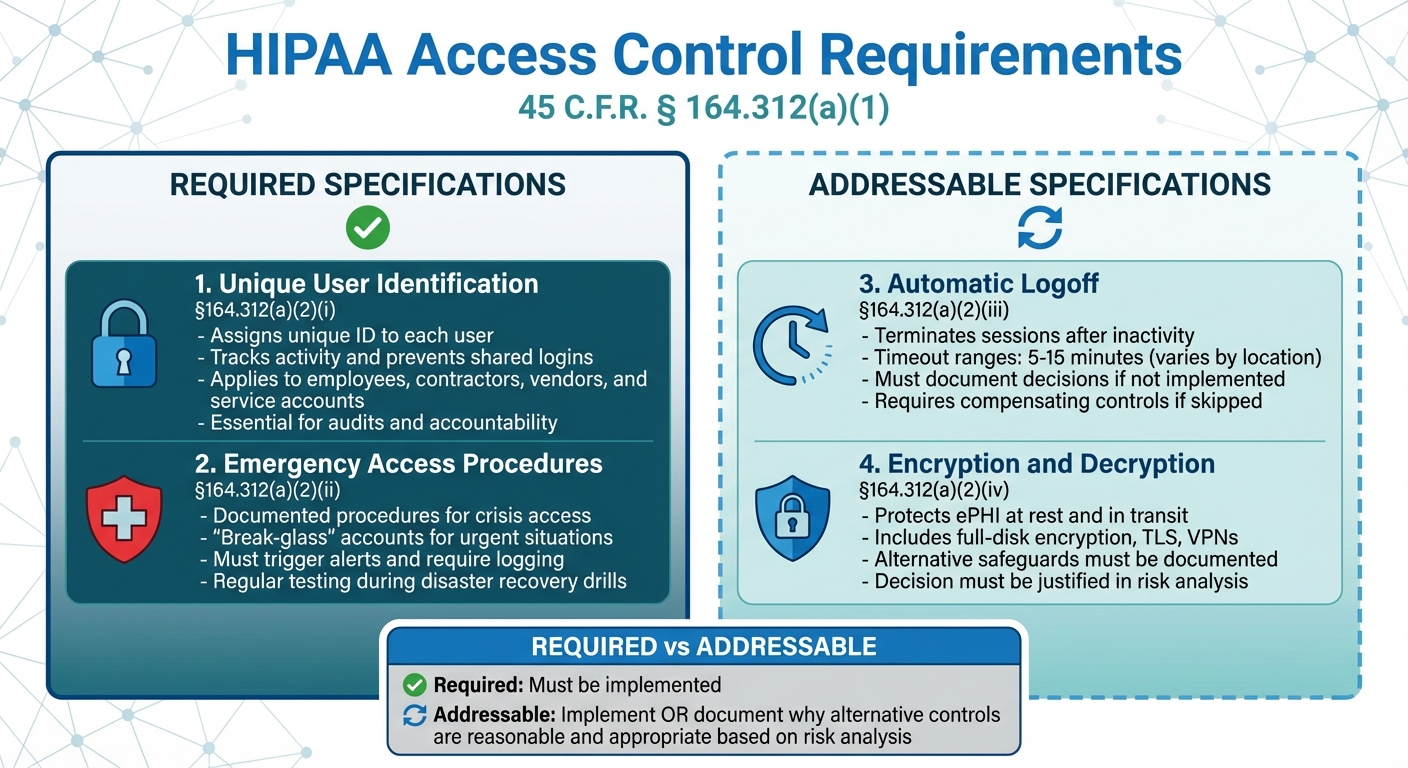
Pre-engagement checklist for fractional IP counsel
- Verify jurisdiction-specific experience in AI and tech IP law.
- Confirm availability for urgent infringement response.
- Assess familiarity with EU AI Act and USPTO guidelines.
- Review fee structure for scalable, project-based work.
- Ensure clear communication protocols for cross-border coordination.
Implementing a Fractional IP Strategy
Integrating fractional IP rights requires moving from ad-hoc consultations to a structured governance model. The goal is to embed specialized counsel into the startup’s daily operations without the overhead of a full-time hire. This approach ensures that intellectual property protection scales with the company’s growth, particularly in the high-stakes environment of 2026.
Begin by defining the scope of the fractional engagement. Unlike general legal support, IP counsel must have clear authority over patent filings, trademark monitoring, and trade secret protocols. Establish reporting lines that connect the fractional lead directly to the CTO or CEO, ensuring that IP decisions are made at the executive level rather than buried in legal queues.

Specify which IP assets the fractional counsel manages. In 2026, this often includes AI training data rights and open-source compliance. Clear boundaries prevent scope creep and ensure the counsel focuses on high-value assets. This structure bridges the gap between internal engineering teams and external legal expertise.

Integrate the fractional IP lead into existing governance workflows. This includes participation in product review boards and quarterly IP audits. Direct reporting to leadership ensures that IP risks are identified early, aligning with the trend of scalable legal insight for emerging technologies.
Create clear triggers for when fractional support is required. Whether it’s a new patent filing or a potential infringement claim, predefined protocols reduce response time. This on-demand access model allows startups to maintain rigorous IP standards without fixed monthly overhead.
This structured approach transforms fractional IP rights from a cost-saving measure into a strategic asset. By embedding specialized counsel into the core governance framework, startups can manage the complex regulatory landscape of 2026 with greater confidence and precision.
Common Questions on Fractional IP Models
Founders often ask how fractional arrangements handle high-stakes liabilities and confidentiality. The model shifts traditional employment dynamics, requiring precise contractual boundaries to protect trade secrets and define responsibility limits.
How are liability caps structured in fractional IP contracts?
Unlike full-time employees, fractional IP counsel typically operate under professional service agreements with defined liability caps. These caps usually mirror standard professional indemnity insurance limits, protecting the startup from catastrophic legal exposure while ensuring the counsel has adequate coverage for errors or omissions. This structure is standard in the 2026 legal landscape for contract-based IP management.
Do NDAs differ between fractional and in-house IP teams?
Confidentiality protections remain identical in scope but differ in enforcement. A fractional IP professional signs a non-disclosure agreement that explicitly covers all proprietary algorithms and trade secrets. However, because they may serve multiple clients, the NDA must include strict "firewall" provisions to prevent information leakage between competing entities, a requirement emphasized by IP strategy experts like Emily Teesdale in recent 2026 discussions on collaborative IP risks.
Can fractional IP counsel integrate with existing legal teams?
Yes, but integration requires clear role delineation. Fractional IP specialists typically handle strategic filing, portfolio audits, and freedom-to-operate opinions, while in-house general counsel manages broader corporate litigation. This division of labor allows startups to maximize the return on IP investment by leveraging specialized expertise without the overhead of a full department, as noted by providers like Evolve IP in their 2026 fractional in-house offerings.
No comments yet. Be the first to share your thoughts!