
Defining fractional IP rights
The term "fractional IP" often creates confusion because it is used in two distinct contexts within the legal and technology sectors. In one context, it refers to fractional intellectual property counsel—a staffing model where legal professionals provide part-time IP guidance to startups. This is a human resource arrangement, not an asset structure.
This article focuses on the second meaning: fractional intellectual property rights. This refers to the division of ownership or licensing interests in an intellectual property asset. Instead of a single entity holding 100% of the rights to a patent, copyright, or digital asset, those rights are split into smaller, tradable shares.
Fractional IP rights function as a mechanism for licensing and monetizing digital assets. By breaking down an IP portfolio into smaller units, creators and holders can grant limited usage rights to multiple parties simultaneously. This model is particularly relevant for AI assets, where training data, generated outputs, and underlying models require complex licensing frameworks.
The U.S. Copyright Office and the European Union Commission have been examining how existing IP frameworks apply to these new ownership structures. While traditional IP law recognizes copyrights, trademarks, patents, and trade secrets, the fractionalization of these rights introduces questions about enforcement, royalty distribution, and liability. Understanding this distinction is essential for navigating the regulatory landscape of 2026.
How fractional ownership structures work
Fractional IP rights allow creators and investors to split digital assets into smaller, tradable units. This structure is particularly relevant for AI-generated content, where the volume of output often exceeds the capacity of a single entity to manage or monetize effectively. By dividing ownership, stakeholders can share risks and rewards while maintaining clear legal boundaries.
The mechanism typically involves a smart contract or a legal trust that holds the primary rights to the digital asset. These rights are then subdivided into fractions, which can be licensed, sold, or held as equity. For AI-generated works, this might mean owning a percentage of the training data rights, the output license, or the commercial usage rights. This granularity enables more efficient capital allocation and broader access to high-value digital assets.
Traditional sole ownership models concentrate control and liability. In contrast, fractional licensing distributes these elements across multiple parties. This distribution can streamline compliance with emerging regulations from bodies like the U.S. Copyright Office or the EU Commission, which are increasingly scrutinizing AI-generated content. Understanding these structures is essential for anyone navigating the evolving landscape of digital IP.
Comparison: Sole Ownership vs. Fractional Licensing
The table below outlines the key differences between traditional sole ownership and fractional licensing models for AI assets.
| Feature | Sole Ownership | Fractional Licensing |
|---|---|---|
| Control | Centralized | Distributed via agreement |
| Capital Requirement | High | Lower per unit |
| Risk Exposure | Concentrated | Shared among holders |
| Liquidity | Low | Higher via trading |
| Compliance Burden | Single entity | Shared/Managed by trustee |
Note: This comparison is for informational purposes only and does not constitute legal advice. Regulatory frameworks for fractional IP rights are still developing in many jurisdictions.
2026 AI Copyright Law Updates
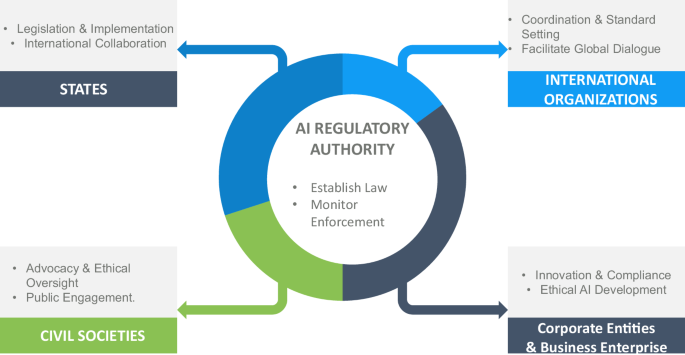
The regulatory landscape for digital assets has shifted significantly in 2026, particularly regarding how fractional IP rights interact with AI-generated content. Governments and copyright offices are moving away from vague guidelines toward specific eligibility standards that directly impact licensing structures. For owners of fractional rights, understanding these shifts is essential for maintaining the value and enforceability of their digital assets.
Eligibility Standards for AI Content
The U.S. Copyright Office and the European Union have clarified that purely AI-generated works lack human authorship and are not eligible for copyright protection. However, fractional IP rights can still apply to the human-curated elements, prompts, or modifications surrounding the AI output. This distinction means that while the raw generation may be public domain, the specific arrangement or derivative works licensed to fractional owners may retain protected status. Licensing agreements must now explicitly define which components of the AI workflow are covered by the fractional interest.
Licensing and Contractual Clarity
With the ambiguity of AI authorship resolved in favor of human input, contracts for fractional IP rights have become more rigorous. 2026 standards require clear delineation between the AI tool provider’s rights and the fractional owner’s rights. This includes specifying who holds the rights to the training data used and who controls the commercialization of the final output. Fractional owners must ensure their agreements account for the dynamic nature of AI models, which can change outputs based on minor updates to the underlying algorithms.
Enforcement and Dispute Resolution
Enforcing fractional IP rights in the context of AI has led to new dispute resolution mechanisms. Courts are increasingly relying on technical audits to determine the extent of human involvement in creating a disputed asset. This has raised the bar for evidence required to prove infringement. Fractional rights holders must maintain detailed records of their contributions and the specific terms of their licensing agreements to successfully navigate these complex legal challenges.
Key Dates in 2026 Regulation
The following timeline highlights critical moments in the 2026 regulatory environment for AI and fractional IP rights:

The European Union’s AI Act entered its enforcement phase, introducing strict transparency requirements for AI-generated content. This directly impacts fractional IP owners in the EU, who must now ensure their licensed assets comply with labeling and disclosure rules to maintain market access and legal standing.
The U.S. Copyright Office released updated guidance on human authorship in AI-assisted works. This clarification reinforced that while AI outputs are not copyrightable, the specific creative choices made by humans can be protected, providing a clearer path for fractional IP rights holders to assert ownership over curated digital assets.
International bodies began drafting a unified framework for cross-border AI licensing. This initiative aims to standardize how fractional IP rights are recognized and enforced across jurisdictions, reducing legal friction for digital asset owners operating in multiple markets.
Licensing digital assets with fractional rights
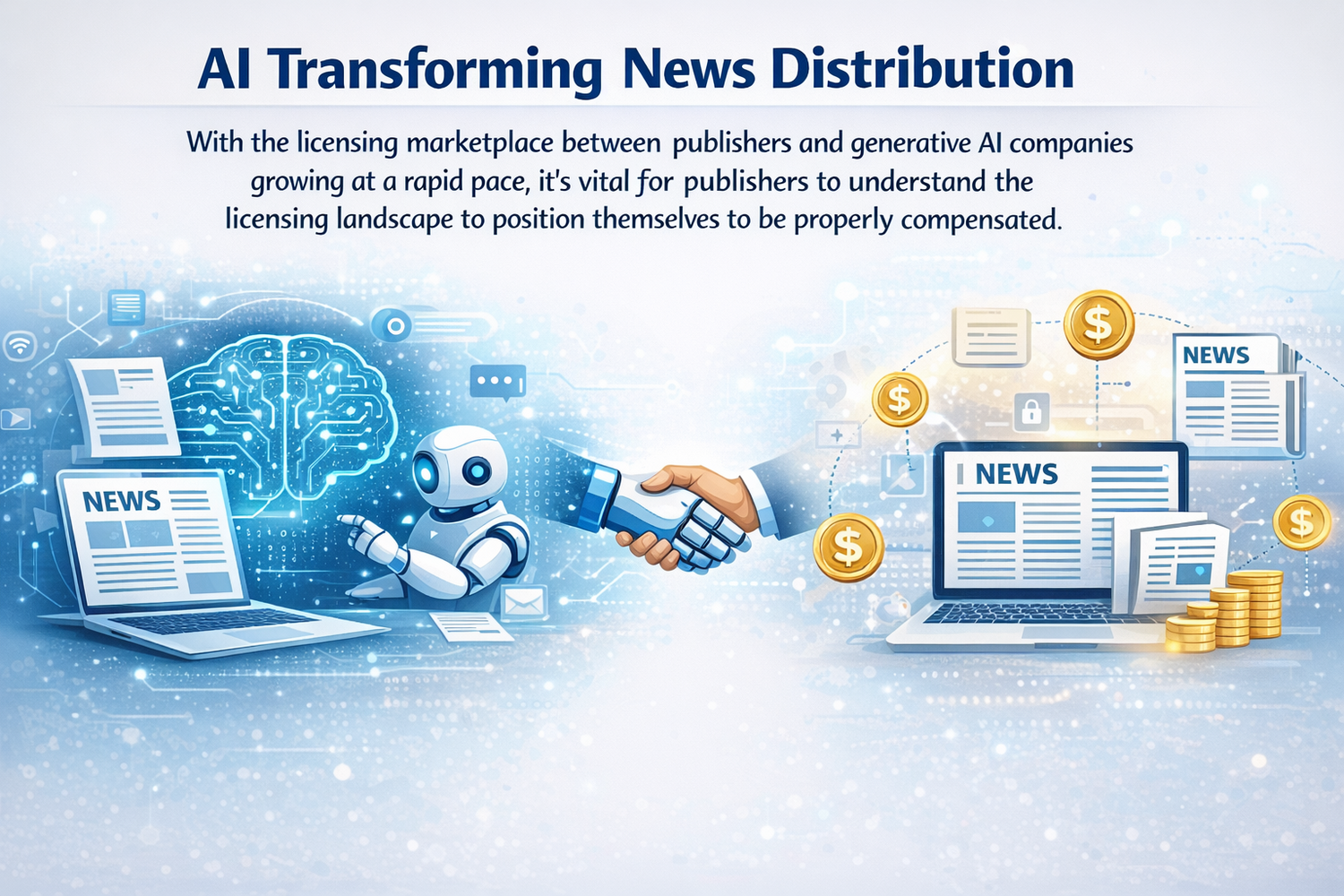
Licensing fractional IP rights allows businesses to secure specific, limited usage permissions for AI models and datasets without acquiring full ownership. This approach is particularly useful for training machine learning algorithms on proprietary data while preserving the original owner’s broader commercial control. By defining precise boundaries—such as geographic region, industry vertical, or duration—companies can mitigate the risk of over-licensing and reduce upfront costs.
Compliance checks are essential when structuring these agreements. Businesses must verify that the fractional rights granted do not conflict with existing exclusivity clauses or regulatory requirements, such as those outlined by the U.S. Copyright Office or the EU Commission regarding AI transparency. It is also critical to ensure that the licensed data does not contain unmasked personal information, which could violate privacy laws like GDPR or CCPA.
Before finalizing any license, organizations should conduct due diligence to confirm the licensor holds valid title to the fractional rights. This includes reviewing chain-of-title documents and ensuring that any third-party components within the dataset are cleared for commercial use. These steps help prevent future litigation and ensure that the AI model remains compliant with evolving intellectual property standards.
Checklist
-
Verify licensor’s ownership of the specific fractional rights
-
Confirm no conflicting exclusivity agreements exist
-
Audit data for PII or sensitive personal information
-
Define clear usage boundaries (industry, region, duration)
-
Review third-party component clearances within the dataset
This content is for informational purposes only and does not constitute legal advice.
FAQ: Common questions on fractional IP
Fractional IP rights allow multiple parties to hold ownership stakes in specific digital assets. This structure is gaining traction for music rights, patents, and digital content, offering broader access to intangible assets [1]. Below are common questions regarding these arrangements.
Disclaimer: This content is for informational purposes only and does not constitute legal advice. Consult a qualified attorney for specific legal concerns.
No comments yet. Be the first to share your thoughts!